Arthritis represents a broad spectrum of joint disorders characterized by pain, stiffness, swelling, and often a progressive loss of mobility. Among the most common forms are osteoarthritis, which arises from wear and tear and mechanical stress leading to cartilage breakdown; rheumatoid arthritis, an autoimmune disease where the immune system attacks joint tissues; and a variety of other inflammatory or metabolic arthritis conditions. The impact on daily life can be substantial, limiting activities, work, and social participation, while traditi...
Medicine & Treatments
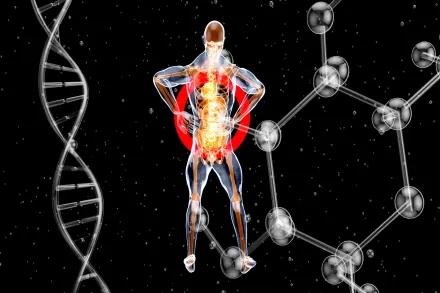
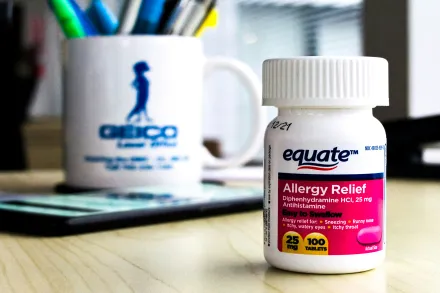
Histamine is a natural chemical that acts as a messenger inside the immune system, and it plays a central role in many allergic reactions. When the body encounters an allergen such as pollen, pet dander, dust mites, or certain foods, immune cells release histamine from storage sites into nearby tissues and the bloodstream. This release sets off a chain reaction that promotes inflammation and triggers symptoms that many people recognize as allergy flares. The effects of histamine depend on the receptors it binds to, with the H1 receptor being a ...
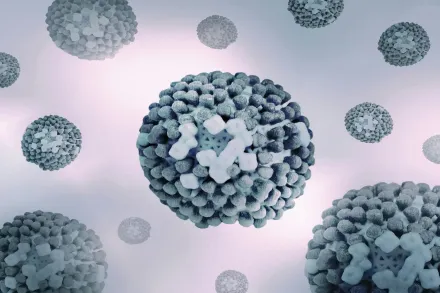
Immunotherapy has emerged as a transformative approach in oncology, offering a way to harness the body's own defenses to recognize and attack cancer cells. Historically, cancer treatment relied on surgery, radiation, and chemotherapy, which often target both malignant and healthy cells with significant toxicity. Immunotherapy shifts the focus from directly killing cancer cells to empowering the immune system to perform surveillance, mount a targeted assault, and potentially sustain a memory of cancerous changes to prevent relapse. This article ...
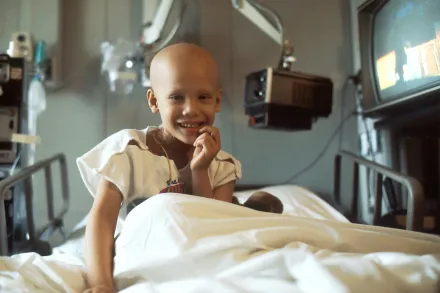
Radiation therapy stands as one of the oldest and most versatile treatments used in cancer care. In children, its role is both protective and curative, aiming to eradicate tumor cells while preserving growth, development, and organ function as much as possible. The pediatric patient presents unique challenges compared to adults because the tissues are still growing and organs are maturing, and the long horizon ahead makes late effects a central consideration in any treatment plan. This article explores how radiation therapy works in pediatric o...

Chemotherapy, often shortened to chemo, is a type of systemic cancer treatment that uses chemical agents to kill cancer cells or slow their growth. Unlike surgery or radiation that target a specific location or area, chemotherapy travels through the bloodstream and can reach cancer cells that may have spread beyond the initial tumor. The goal of chemotherapy can be to cure, to control disease by keeping it in check, or to relieve symptoms and improve quality of life when a cure is not possible. The choice of chemotherapy depends on the type of ...
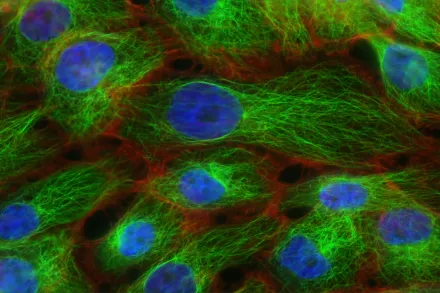
Regenerative biology probes how living tissues maintain or restore their structure and function after injury. Within this framework, stem cells are described as versatile reservoirs capable of both self-renewal and differentiation into diverse cell types that constitute tissues and organs. The notion that a single cell type can respond to cues from its surroundings to replace damaged cells has guided decades of research, from early observation of tissue turnover to modern strategies that harness cellular plasticity for healing. At the heart of ...
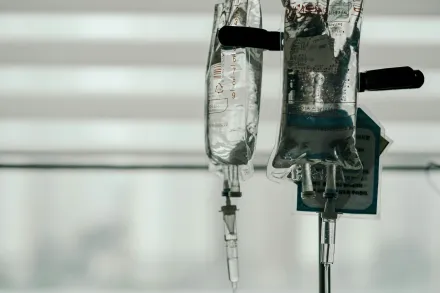
The experience of chemotherapy can be undeniably challenging for patients and caregivers alike, presenting a constellation of side effects that vary widely among individuals, depending on the specific drugs used, the dose, the duration of treatment, and underlying health conditions. While the primary goal of chemotherapy is to halt or slow the growth of cancer cells, the same medicines can affect healthy tissues as they travel through the body, leading to a spectrum of symptoms that may emerge quickly or gradually over time. This article seeks ...

Physical rehabilitation stands at the intersection of science, care, and everyday life, weaving together knowledge from anatomy, physiology, psychology, and social factors to help people recover, adapt, and participate fully in their communities. It is not a single intervention but a coordinated series of assessments and therapies designed to restore function after injury or illness, reduce the burden of disability, and empower individuals to reclaim autonomy. At its heart lies a patient centered philosophy that recognizes each person as a uniq...
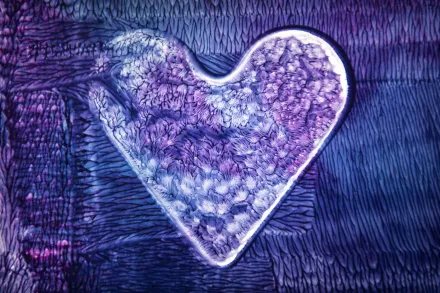
Heart disease is a broad term that encompasses conditions affecting the heart's structure and function, including coronary artery disease, heart failure, and congenital problems. In recent decades, scientists have explored the remarkable potential of stem cells to repair damaged heart tissue. This potential arises from the unique capacity of stem cells to renew themselves and to differentiate into specialized cell types found in the heart, such as cardiomyocytes, vascular smooth muscle cells, and endothelial cells. The idea is to replace lost c...
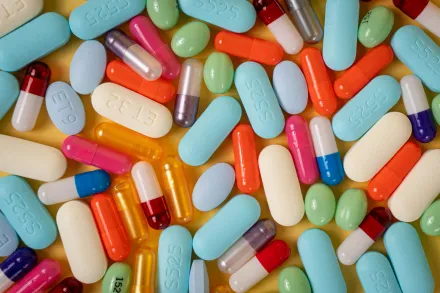
Surgical procedures inherently disturb the body’s natural barriers, creating opportunities for microorganisms to invade wounds and establish infections. The skin, mucous membranes, and deeper tissues become vulnerable as incisions are made, tissues are dissected, and implants or prosthetics are introduced. In such settings, antibiotics are employed as a protective measure to reduce the chances that bacteria present in the operative environment or on the patient’s own skin and mucous surfaces will multiply and threaten healing. This preventative...