Chemotherapy dosing is a complex balancing act that aims to maximize tumor kill while preserving normal tissue function. It depends not only on the drug's pharmacology but also on the patient’s unique biology, the disease being treated, and the goals of therapy. Clinicians weave together data from laboratory studies, clinical experience, and patient factors to set a plan that can be repeated across cycles with careful monitoring.
Medicine & Treatments
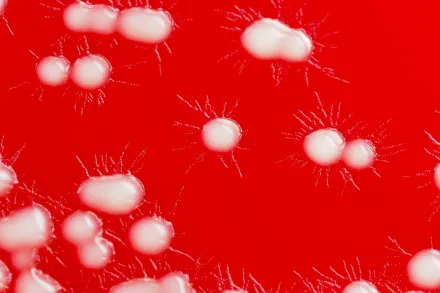
Fungal infections represent a broad spectrum of diseases that range from mild, self-limiting skin conditions to invasive, life threatening illnesses that affect organs and immune systems. Antifungal treatments are the mainline interventions used to halt the growth of fungi, control symptoms, and reduce the risk of spread and complications. The way these drugs work is intimately tied to the biology of fungi, which share some features with human cells but also carry distinct metabolic pathways that can be targeted selectively. Understanding how a...

Labor is a deeply human experience that blends physical sensations with emotional, cognitive, and social elements. The pain associated with contractions and the process of birth varies widely among individuals, influenced by physiology, prior experiences, expectations, the environment, and the presence of supportive care. The goal of pain relief during labor is not to erase all sensation but to reduce unnecessary distress while preserving safety, autonomy, and the ability to participate in decisions about birth. For many people, relief means fi...
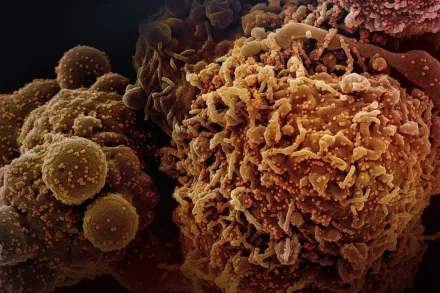
Chemotherapy represents a class of medicines designed to fight cancer by disrupting the growth and replication capacity of malignant cells that arise in various tissues throughout the body. Unlike localized treatments that confine their action to a single tumor site, chemotherapy travels through the circulatory system, reaches distant cells, and can affect tumor cells that have spread or that exist in challenging environments within the body. The fundamental goal is to impede the ability of cancer cells to duplicate, repair damaged DNA, and sus...

Mobility is a fundamental aspect of daily life that many people take for granted until an injury, illness, or aging process makes it difficult to move freely. Physical therapy stands as a science driven discipline focused on restoring the body's natural ability to move, function, and participate in activities that give life meaning. The importance of mobility spans from the simplest tasks of standing and walking to the more complex acts of navigating stairs, changing positions in bed, and maintaining balance during activities that require coord...
Immunotherapy represents a transformative approach in modern medicine, a family of treatments designed to harness the body’s own immune system to recognize, attack, and control diseases that previously posed significant challenges. Unlike traditional modalities that directly target tumor cells with chemicals or radiation, immunotherapy engages the immune system as an active collaborator in the therapeutic process. The broad aim is to bolster immune recognition, remove the brakes that limit immune activity, and foster a coordinated response that...
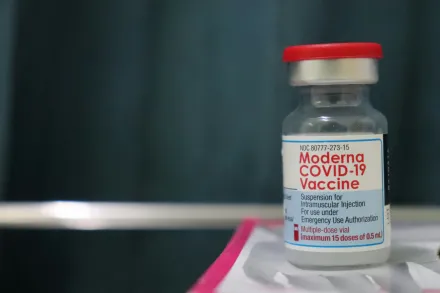
The immune system is a complex and remarkable defense network that operates largely invisibly inside the human body. When a person encounters a pathogen for the first time, the immune system takes stock of the invader, studies its proteins, and learns how to recognize it. In the case of measles, a highly contagious virus that travels through the air and can spread quickly in communities, this recognition process is critical for preventing illness. Vaccination provides a safe, controlled way to trigger that learning without causing the disease i...
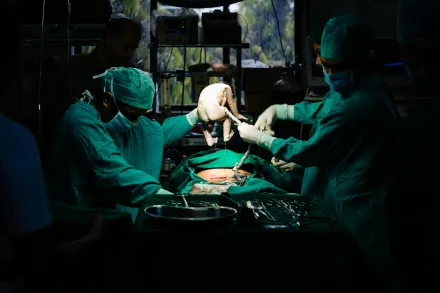
Over centuries, surgery has been a central pillar in cancer care, evolving from crude excisions to highly selective, function-preserving operations. In ancient times, cancer was thought to be incurable; with the advent of anesthesia and antisepsis in the 19th century, surgeons began to attempt more ambitious resections. The 20th century introduced a more systematic, evidence-based approach, with the goals of removing the tumor with negative margins and addressing regional disease through lymphadenectomy. The Halsted era popularized the radical ...

Depression and related mood disorders affect millions globally, shaping how people relate to themselves and others, interfering with daily functioning, and casting a long shadow over personal and societal well-being. Antidepressants emerged as a central pharmacological tool to address the neurobiological components of these conditions, complementing psychotherapy, lifestyle interventions, and social supports. The role of these medications is not simply to suppress symptoms but to alter the trajectory of illness by modulating neural circuits inv...
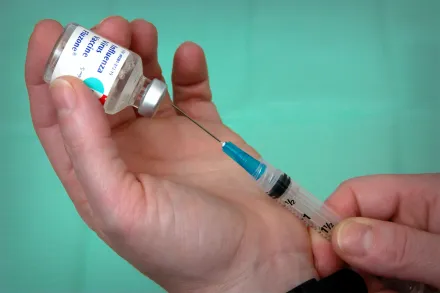
Vaccines stand at the intersection of science, medicine, and public health, embodying a disciplined approach to protect communities from disease. The development and testing of vaccines is a long and multifaceted process that blends curiosity about how the immune system works with methodical experimentation, careful observation, and strict oversight. Researchers begin with fundamental questions about how a pathogen interacts with the body, how immunity can be trained without causing disease, and what form of the immune response most effectively...