Autoimmune diseases present a complex interplay between the immune system and tissues throughout the body, where the body's protective defenses mistakenly target its own cells and organs. Over the past several decades, biologic drugs have emerged as a transformative class of therapies that can interrupt specific pathways at the heart of these wrongful attacks. These medicines are built with the aim of offering precision in how they modulate immune activity, in contrast to broad treatments that dampen the entire immune system. The result has bee...
Medicine & Treatments
Atrial fibrillation is a heart rhythm disorder characterized by rapid, irregular electrical activity that causes the upper chambers of the heart to quiver instead of beating in a synchronized way. This disarray in atrial contraction can promote the formation of tiny clots within the heart, which, if dislodged, have the potential to travel through the bloodstream and obstruct blood vessels in critical organs such as the brain. The consequence of a clot reaching the brain is a stroke, an event that can lead to long-lasting disability or even deat...
Antibiotics represent one of the most influential medical tools in pediatric care, shaping outcomes from infancy through adolescence. Their appropriate use can prevent complications from bacterial infections, shorten illness duration, and reduce the risk of long term health consequences. At the same time, misuse or overuse can contribute to side effects that affect growth, disrupt the developing microbiome, and promote antibiotic resistance that extends beyond individual patients. In pediatric populations, the balance between benefit and potent...
Chemotherapy is a systemic approach to treating colon cancer, meaning that the medicines travel through the bloodstream to reach cancer cells throughout the body. It is used for several reasons: to shrink tumors before surgery, to eradicate microscopic cancer cells after surgery, to slow the growth of cancers that have spread beyond the colon, and to relieve symptoms when cure is not possible. The goal can vary from aiming for cure in early stages to prolonging life and improving quality of life in more advanced disease. Chemotherapy works by a...
In the field of rehabilitation, physical therapy stands as a central practice that blends science, clinical reasoning, and compassionate care to help individuals regain function, reduce pain, and restore independence after injury, illness, or surgery. The role of physical therapy extends far beyond isolated exercises or passive treatments; it embodies a comprehensive approach that considers the whole person, their goals, and the social and environmental factors that shape recovery. At the heart of this approach is a physician of movement, a pro...
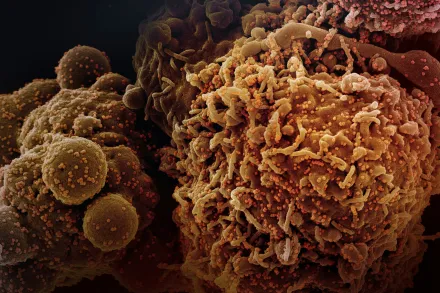
Chemotherapy regimens are structured plans that guide how and when anticancer drugs are given to a patient, with the goal of maximizing tumor control while balancing the need for the patient to recover from treatment–related toxicities. At their core, regimens are built around the idea that cancer cells can be killed more effectively when drugs are delivered in carefully timed sequences rather than in a single, uninterrupted dose. This approach acknowledges the biology of cancer, the healing capacity of normal tissues, and the realities of how ...
Vaccines are among the most consequential tools in medicine, not only because they protect individuals from getting sick but also because they alter the way diseases move through populations. When a person receives a vaccination, their risk of acquiring an infection drops, and in many cases their likelihood of transmitting the pathogen to others is also reduced. This dual effect—protecting the vaccinated person and decreasing the chances that the pathogen travels from person to person—creates a layer of community protection that can reshape the...

Antibiotics are a class of medicines that have transformed medicine by offering a strategy to confront bacterial infections that once caused serious illness or death. They are not universal cures for every condition, and they do not help viral infections such as the common cold or flu. Yet when used correctly, antibiotics can selectively affect bacteria while sparing human cells, a concept rooted in differences between the biology of microbes and human tissues. The broad idea behind how antibiotics work is to interrupt essential bacterial proce...
Cardiovascular health encompasses the work of the heart, the arteries that carry blood, and the veins that return it to the lungs and the rest of the body. It reflects how well the circulatory system supports every organ, from the brain to the muscles that power daily activity. Across the decades, medicine has built a layered approach to cardiovascular care that blends prevention, diagnosis, medical therapy, and a spectrum of procedures. The aim is not only to treat symptoms but to reduce future risk, restore function, and promote a durable sen...
Leukemia is not a single disease but a family of disorders driven by genetic changes that alter how blood cells grow, divide, and die. In the last few decades scientists have learned to translate this genetic insight into treatments that aim at specific abnormalities rather than using broad, suppressive chemotherapy alone. Targeted therapy in leukemia refers to a set of strategies designed to interfere with key molecules and pathways that leukemia cells rely on for survival, replication, and evasion of death. This shift toward precision medicin...