Schizophrenia is a complex mental health condition characterized by a range of experiences that can disrupt thought, perception, emotion, and social functioning. The core symptoms are often divided into positive symptoms such as hallucinations and delusions, negative symptoms like reduced motivation and social withdrawal, and cognitive disturbances that affect attention, memory, and problem solving. Antipsychotic medications are central to treatment because they directly influence the brain circuits that generate these experiences. They do not ...
Medicine & Treatments

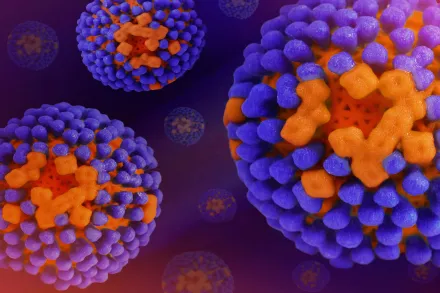
Immunotherapy represents a broad and evolving field in medicine that seeks to harness the power of the body's immune system to fight disease, particularly cancer, infections, and autoimmune conditions where the immune response has become dysregulated. Rather than introducing external drugs that directly attack a target, immunotherapy seeks to prime, enhance, or reconfigure the immune system so that it can identify abnormal cells, respond with persistence, and remember the encounter to prevent relapse. This approach rests on a deep appreciation ...

Antidepressants occupy a central role in the treatment landscape for anxiety disorders, offering therapeutic options that address both emotional distress and the physiological manifestations of fear and worry. These medications influence brain circuits involved in mood regulation, fear processing, and threat appraisal, and their effects may help modulate the neural hyperarousal that characterizes many anxiety syndromes. In clinical practice, antidepressants are often prescribed alongside psychotherapy, lifestyle interventions, and social suppor...

In the modern landscape of medicine, antiviral therapy stands as a cornerstone of how clinicians coexist with viruses that challenge human health. Antiviral drugs are designed to interfere with the life cycle of specific viruses, reducing viral replication, limiting disease severity, and often preventing further transmission. These therapies are not universal cures; they are targeted tools that work best when matched to the biology of the virus involved, the timing of administration, and the immune status of the patient. The discipline blends p...

Stroke is a medical event that disrupts the blood supply to parts of the brain, leading to a cascade of changes in movement, sensation, cognition, vision, and communication. The consequences of a stroke vary widely depending on the location and extent of brain injury, but a common thread is the disruption of everyday ability. In the wake of a stroke, rehabilitation aims to maximize independence, quality of life, and participation in meaningful daily activities. Occupational therapy sits at the heart of this process by focusing on the activities...

Blood is a complex fluid composed of plasma and a spectrum of cellular elements that together maintain hemostasis while preserving the ability to respond to injury. In the normal physiological state, when a blood vessel is damaged a carefully choreographed sequence of reactions activates platelets and a cascade of clotting factors that culminates in the formation of a stable fibrin mesh, effectively sealing the breach and preventing excessive blood loss. Yet beneath this protective mechanism lies a delicate balance between coagulation and its r...

Inflammation is a fundamental biological process that responds to injury, infection, or irritation with a coordinated series of cellular and chemical events designed to restore tissue integrity and promote healing. In a typical scenario, a complex orchestra of cells, signaling molecules, and vascular responses acts to contain damage, remove debris, and begin tissue repair. Yet when inflammation becomes excessive or chronic, it can itself cause tissue injury, pain, and impairment of function. Anti inflammatory medications are targeted tools desi...
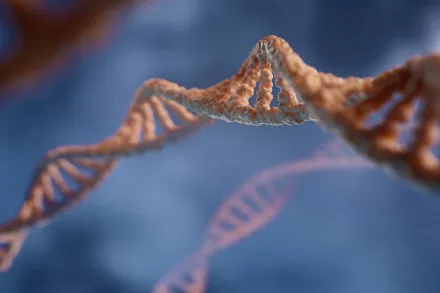
In the evolving landscape of medicine, gene therapy stands as a beacon for conditions that have long resisted traditional treatments. Rare genetic disorders, defined by their low prevalence in the population yet often profound impact on individuals and families, have become a focal point for innovative approaches. At its core, gene therapy seeks to correct the genetic instructions that malfunction in diseased cells, restoring normal biology or compensating for the defect through carefully designed interventions. The promise is not merely sympto...

Chronic back pain is a pervasive and multifaceted health challenge that affects millions of people worldwide and imposes a substantial burden on individuals, families, and health systems. This condition often persists beyond the normal healing period and can endure for months or years, shaping daily routines, work participation, sleep quality, and emotional well-being. Pain management in this context is not a single intervention but a comprehensive, patient-centered process that seeks to reduce suffering, restore function, and improve overall q...
In the landscape of contemporary healthcare, patients encounter a spectrum of therapeutic approaches that extend beyond the boundaries of conventional medicine. Alternative medicine, a term that has evolved over decades, encompasses practices and ideas that originate outside standard biomedical frameworks and that some patients turn to for relief, prevention, or personal alignment with their values. While the label can be controversial, the reality is that many therapies described as alternative have deep historical roots, intricate cultural me...