Embarking on a fitness challenge within the confines of your own home can be a liberating and transformative experience when approached with clarity, structure, and patience. The power of a well crafted plan lies not in grand gestures but in consistent, sustainable actions that fit your daily rhythm. A home based challenge offers privacy, flexibility, and the opportunity to tailor every detail to your current strength, schedule, available space, and personal preferences. It can begin with a simple idea and, through deliberate progression, evolv...
Fitness & Physical Activity

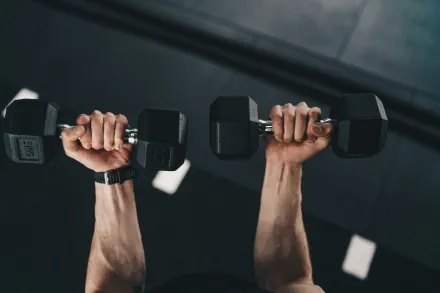
Arm strength is a blend of muscle size, neural efficiency, connective tissue resilience, and postural coordination that allows the upper limbs to push, pull, grip, and stabilize with increasing force. When a person aims to improve this quality rapidly, the approach must honor both physics and physiology, balancing load with recovery and aligning technique with intent. The journey begins with an understanding of how the arm muscles work as a system, how they interact with the torso and back, and how proper stimulus drives adaptation without invi...
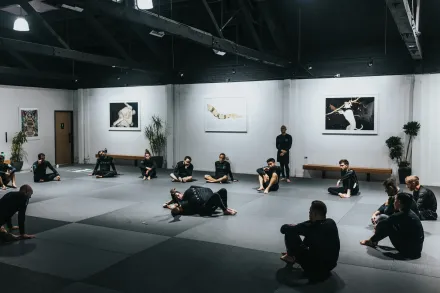
Group fitness classes offer more than just a workout routine; they create an environment where effort is shared, progress is visible, and motivation is contagious. In a world where individual workouts can feel repetitive and sterile, joining a class provides structure, guidance, and a social setting that keeps people engaged over time. The concept rests on a simple principle: people tend to perform better when they are part of a collective effort and when the coach or instructor designs sessions that blend challenge with attainable goals.
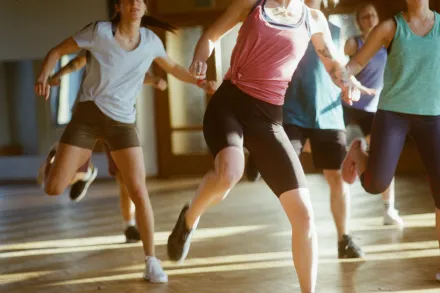
Functional movement has long stood as a reference point for evaluating how exercise translates to real life. In the earliest practices of strength and conditioning, trainers observed that exercises which mirrored everyday tasks—lifting, carrying, squatting, pushing, pulling, and twisting—produced benefits that felt tangible beyond the gym walls. The term functional movement does not imply a mystical separation from other training modalities; rather it emphasizes movements that harmonize mobility, stability, strength, and coordination to improve...

Kettlebell training combines a unique blend of strength, mobility, cardiovascular work, and coordination that can transform how you move and how you feel during daily activities. The fundamental idea behind safe and effective kettlebell use is to respect gravity, control the load, and honor your body’s current capacity. Before you lift, you should have a clear sense of where your body is strongest and where it is most vulnerable. You begin by understanding that the kettlebell is not just a weight to be moved through space; it is a tool that com...

In the landscape of modern fitness, high intensity interval training often emerges as a compelling approach for people seeking meaningful results in a limited amount of time. HIIT, or high intensity interval training, blends short bursts of demanding effort with periods of relatively lighter activity or rest, creating a rhythm that challenges the cardiovascular system, muscles, and energy pathways in a dynamic way. The core principle centers on pushing the body into a zone where effort is near maximal for a brief window, followed by a recovery ...

Overtraining syndrome represents a complex state in which training demand surpasses the body's ability to recover, leading to a cascade of physiological and psychological disruptions that can erode performance, mood, and overall health. This condition does not emerge from a single hard session but from a pattern of training decisions, life stressors, and insufficient recovery that accumulate over weeks and months. When athletes push beyond their adaptive capacity, the immune system may become less effective, sleep quality often declines, and ho...
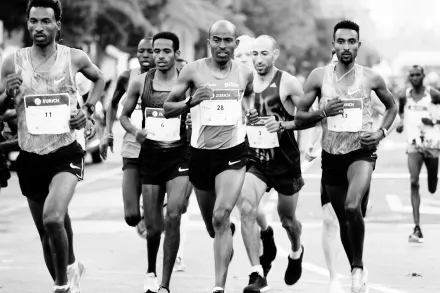
Running a 5K or a 10K is an accessible goal that rewards patience, consistency, and intelligent planning. The difference between finishing comfortably and feeling spent is often the quality of training rather than raw talent. The approach for a 5K centers on a balance between aerobic endurance and speed elements, while a 10K requires additional stamina and a more deliberate rhythm to hold pace over a longer distance. The core idea is gradual progression, listening to your body, and building a foundation that keeps you healthy while you learn to...

Muscle growth is a natural outcome of consistently challenging the body through resistance training, providing the conditions under which muscle fibers respond by increasing in size and strength. While genetics influence the pace and ultimate potential of growth, a well rounded approach that combines smart training, attentive nutrition, sufficient recovery, and steady lifestyle choices can yield meaningful gains for nearly anyone who commits to the process. This article examines the science behind natural muscle mass development and offers prac...

Warm-ups are not merely a ritual before intense activity; they are a deliberate and scientifically informed sequence of movements and breath work designed to prepare the body and mind for the demands that follow. A well-structured warm-up gradually elevates core temperature, increases blood flow to muscles, and enhances nerve signaling, which together create a smoother transition from rest to peak performance. Beyond the physical mechanics, warm-ups also serve as a mental primer, shifting focus from everyday concerns to the task at hand, helpin...