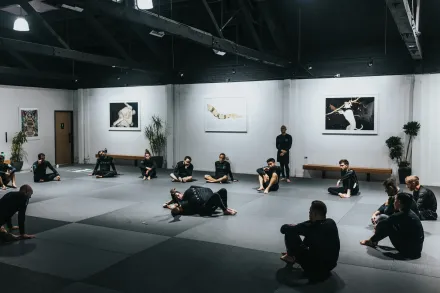
Group fitness classes offer more than just a workout routine; they create an environment where effort is shared, progress is visible, and motivation is contagious. In a world where individual workouts can feel repetitive and sterile, joining a class provides structure, guidance, and a social setting that keeps people engaged over time. The concept rests on a simple principle: people tend to perform better when they are part of a collective effort and when the coach or instructor designs sessions that blend challenge with attainable goals.
Structured guidance and progressive design
In many group classes a trained instructor leads warmups, skill drills, and cooldowns with a clear progression. The structure helps participants move safely from one level of effort to another, with emphasis on form and technique. This kind of guided progression reduces the risk of overexertion and injury, particularly for beginners who might otherwise guess at intensity or technique. The plan behind a class is to balance stimulus and recovery, to create steady improvement without burnout, and to provide a measurable path forward for each attendee.
Accountability and social support
Physical effort is not the only currency in a class; accountability plays a central role as well. When people know their peers are expecting them to show up, attend, and participate, commitment increases. The presence of others performing similar movements creates a social norm that discourages skipping sessions and encourages consistency. The social dimension also offers encouragement, friendly competition, and shared milestones, which can transform a solitary goal into a sustained habit that endures through busy seasons of life.
Motivation through variety and novelty
Group classes introduce variety that many people crave. Instead of repeating a single routine, participants are exposed to rotating formats, music-driven sessions, and different modalities such as cardio blasts, strength circuits, flexibility workshops, and mind body classes. The novelty keeps workouts interesting, engages different muscle groups, and reduces boredom, making it easier to maintain regular attendance. Instructors often weave thematic days or seasonal challenges to keep things fresh while preserving core benefits.
Professional instruction and safety
Group fitness classes provide access to trained professionals who understand anatomy, biomechanics, and the science of conditioning. Instructors can adjust intensity for different fitness levels, offer real-time feedback on form, and modify movements for injuries or limitations. This professional oversight helps participants learn correct technique, reduce injury risk, and optimize results. For many, the presence of a safety-minded coach is an essential factor in deciding to try a new modality or to increase effort safely.
Efficient workouts and time management
In a busy schedule, efficiency matters. Group formats often combine cardio, strength, and mobility into a single session, delivering a comprehensive workout within a set timeframe. People can maximize calories burned, cardiovascular gains, and muscular endurance without needing prolonged equipment setups or multiple separate workouts. The time efficiency is especially appealing for professionals, parents, and students who value quality movement in a compact window.
Social influence on lifestyle choices
Beyond the gym, the norms established in group classes can spill over into daily life. Members often adopt healthier habits such as prioritizing sleep, preparing balanced meals, or choosing active transportation. The shared energy of the class can shape routines, making it easier to maintain a lifestyle that supports long-term fitness. The collective atmosphere creates a positive feedback loop where progress reinforces consistency and consistency expands possibilities for future improvement.
Inclusivity and accessibility
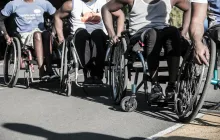
Group fitness classes are designed to welcome a wide range of abilities. Many studios offer beginner tracks, adaptive options, and modifications that enable participation even with injuries or mobility challenges. The inclusive culture helps people feel seen and supported, reducing intimidation that can occur in solitary workouts. Accessibility also extends to scheduling, with classes offered at various times of day to accommodate different work and family obligations.
Mental health benefits and mood improvements
Exercise and social engagement in a class environment can have profound effects on mood, stress resilience, and cognitive function. The combination of rhythmic movement, music, short-term goals, and peer encouragement releases neurotransmitters that elevate mood and reduce anxiety. For many, the group setting provides not only a physical outlet but also a sense of belonging and a chance to vent concerns in a supportive space. The net effect often includes improved self-esteem and a more optimistic outlook on daily challenges.
Habit formation and long-term adherence
Consistency is built through routine, accountability, and positive associations. Group classes help people develop regular exercise habits by creating predictable schedules, reinforcing commitment, and turning workouts into social events. Over time, this habitual pattern becomes a cornerstone of health, making it more likely that healthy behaviors persist beyond the gym walls. For those who have tried solitary routines and struggled to maintain momentum, the social ecosystem of group classes can be a decisive difference.
Variety of modalities and cross-training benefits
From high intensity interval formats to low impact strength sessions, yoga, and dance-inspired classes, the repertoire of group offerings supports cross-training. Participants can train multiple fitness components in synergy: endurance, power, mobility, balance, and mental focus. The cross-training effect reduces plateau risk and helps prevent overuse injuries by distributing stress across different movement patterns. Within a class, an instructor can program complementary elements that optimize overall fitness gains.
Cost considerations and value proposition
While it is true that some classes carry membership or drop-in fees, the value lies in guided expertise, structured programming, and the social environment. When compared with the cost of private coaching, studio memberships, or gym-wide programming, group classes often deliver a high ratio of coaching to participant and a consistently scheduled framework that supports adherence. For many people, the predictable cost and included amenities make group classes a financially sensible choice for ongoing fitness investment.
Motivation through music and atmosphere
Music, lighting, and instructor energy combine to create a stimulating atmosphere that can elevate performance. The auditory cues synchronize movement, increase tempo, and foster a sense of flow. The ambiance of the studio, with mirrors, equipment arranged for group interaction, and peers moving in unison, contributes to a motivational environment that is hard to replicate in solo workouts. The atmosphere often becomes a catalyst for pushing slightly beyond previous limits while staying within safe boundaries.
Technology integration and feedback loops
Many contemporary group classes incorporate wearable tech, heart rate zones, and app-based tracking to quantify effort. Real-time feedback, progress dashboards, and post-class summaries can help participants see tangible improvements. This data-driven approach supports goal setting, helps tailor workouts to individual needs, and provides a sense of achievement as metrics improve. Even those who are not data enthusiasts can appreciate the clear signs that effort is translating into progress.
Social responsibility and community impact
Beyond personal gains, group fitness communities often mobilize around shared values such as health equity, inclusivity, and wellness education. Studios may host charity events, volunteer days, or community challenges that extend the benefits of movement to wider circles. The social fabric created by classes can nurture a culture of support, respect, and mutual encouragement, encouraging participants to bring friends and family into a positive health circle. This ripple effect strengthens the social fabric of neighborhoods and workplaces alike.
Technique, form, and injury prevention
Instructors who emphasize form help participants learn how to perform movements safely, reducing strain on joints and muscles. Attention to alignment, tempo, and breathing supports efficient energy use and reduces the likelihood of compensatory patterns that lead to injury. This focus on technique translates into improved athletic performance in daily life and in other sports, as the fundamentals become automatic. When a class prioritizes quality movement, participants often experience less post-workout soreness and quicker recovery.
Progress tracking and goal attainment
Group programs frequently include benchmarks, challenges, or studio-wide goals that create a sense of direction. Even without formal testing, regular assessment through class-specific workouts, before-and-after measurements, or instructor feedback helps participants see where they started and how far they have come. This ongoing evaluation fosters a growth mindset, where setbacks are reframed as information that guides subsequent efforts rather than as evidence of failure.
Accessibility for different ages and life stages
Group fitness classes accommodate a broad range of ages and life circumstances. For seniors, gentle movement and balance-focused classes provide safe options to maintain independence and mobility. For parents juggling responsibilities, child-friendly classes or shorter formats help integrate fitness into daily routines. Young adults can complement their sports training, while middle-aged exercisers can maintain functional fitness that supports career and family life. The shared framework invites participation across generations, strengthening community bonds.
Environmental and studio culture influences
The physical environment of a fitness studio—its cleanliness, equipment quality, and organized layout—has a tangible impact on the experience. A well-maintained space signals professionalism and care for participants, while the social culture of the studio guides behavior, such as punctuality, courtesy, and supportive language. A positive studio ecology encourages attendance, fosters mutual respect, and creates a welcoming home for people who are learning to move with confidence. When facilities reflect the values of the community, they reinforce a positive feedback loop that promotes consistency and enjoyment.
Mind-body connection and breath awareness
Many group formats incorporate elements that heighten the mind-body connection, such as deliberate breathwork synchronized with movement. This emphasis helps participants stay present, manage exertion, and cultivate a sense of control during challenging intervals. The mental focus that arises in a class can translate to calmer, more intentional choices outside the gym as well, contributing to stress reduction and improved concentration in everyday tasks. The synergy between breath, movement, and motivation is a hallmark of effective group training.
Celebrating progress and social recognition
Group classes create informal rituals of celebration, whether it is completing a tough workout, conquering a new technique, or achieving a personal milestone. The public acknowledgment from instructors and peers reinforces self-efficacy and reinforces the value of showing up consistently. This culture of recognition helps participants perceive their efforts as meaningful, which in turn strengthens the willingness to continue investing time and energy into movement and health. In turn, this fosters a lasting positive relationship with exercise.
Navigating plateaus with community energy
Plateaus are a natural part of any fitness journey, but the group dynamic can help people navigate them more smoothly. A new class format, a different trainer, or a change in intensity can re-stimulate adaptation. The collective energy of a class provides fresh cues, social accountability, and new movement patterns that challenge the body in unexpected ways. Even when progress slows, the supportive environment keeps people engaged, hopeful, and ready to adjust their plan rather than abandoning it altogether.