Historical context and definitions
Functional movement has long stood as a reference point for evaluating how exercise translates to real life. In the earliest practices of strength and conditioning, trainers observed that exercises which mirrored everyday tasks—lifting, carrying, squatting, pushing, pulling, and twisting—produced benefits that felt tangible beyond the gym walls. The term functional movement does not imply a mystical separation from other training modalities; rather it emphasizes movements that harmonize mobility, stability, strength, and coordination to improve performance in daily activities and athletic endeavors alike. The modern interpretation often distinguishes between isolated, vanity focused work and integrated patterns that engage multiple joints and muscle groups to reflect how the body actually works in context. When movements resemble the demands people face in daily life, the nervous system learns to synchronize hips, shoulders, spine, core, and limbs in a coordinated fashion, which can reduce fatigue and enhance efficiency across tasks ranging from carrying groceries to performing recreational sports.
Definitions in contemporary fitness literature converge on the idea that functional movements are the building blocks of practical capability. They are characterized by multi Joint engagement, dynamic balance, proprioceptive feedback, and the ability to scale difficulty while preserving form. Rather than chasing isolated improvements in a single muscle, functional movement training aims to improve the integration of muscle groups and the coordination of movement strategies. This integrated approach aligns with how humans evolved to interact with the environment: the body adapts not merely by growing a single muscle but by refining the relationships among muscles, tendons, bones, and nervous system pathways that produce efficient, resilient motion under real world conditions.
Biological basis of functional movement
The biological underpinnings of functional movement involve a complex interplay of motor control, connective tissue health, and neuromuscular adaptation. The nervous system, through motor neurons and cortical planning, orchestrates the sequencing of muscle activation needed to produce a task that may require strength, speed, endurance, and precision. Coactivation of agonists and antagonists stabilizes joints during transitional and load bearing phases, while the fascia and tendons transmit force with efficiency. Mobility at key joints provides the slack to allow fluid movement, and stability from the core and distal segments prevents unwanted movement that can compromise form. Functional movements train the body to adapt to varying loads and angles, fostering plasticity within motor pathways so that movement becomes more automatic, economical, and less injury prone over time.
From a physiological perspective, the benefits of functional movement extend beyond muscle size or isolated strength gains. They include improvements in muscular endurance, intermuscular coordination, ligament resilience, bone loading patterns, and motor learning. Repeated exposure to multi planar tasks strengthens the proprioceptive system, enhancing balance and spatial awareness. As the nervous system becomes better at predicting forces and adjusting muscle recruitment patterns, energy expenditure during everyday tasks declines, making daily activities feel easier and less taxing. This holistic adaptation often yields more sustainable fitness outcomes than training that emphasizes single joints in isolation, especially for people who seek reliable, transferable fitness for real life demands.
Core principles guiding functional movement
Many coaches and researchers agree on a handful of core principles that underpin effective functional movement training. First, movement quality takes precedence over quantity; skilled reps performed with proper alignment yield better long term results than high volume with compromised technique. Second, progressive overload remains essential, but it must be applied within safe limits that respect joint health and recovery capacity. Third, movement variety is valuable because it exposes the body to different angles, speeds, and loading patterns, creating a more adaptable nervous system. Fourth, scalability and regression are necessary tools, ensuring that beginners or those with limitations can access the same movement family without risking injury. Finally, the environment matters; functional movements benefit from stable surfaces, adjustable loads, and cues that help the learner align, brace, and coordinate steps with breath and timing.
Functional movement patterns in practice
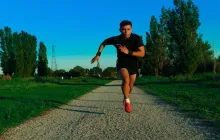
In practice, functional movements are often organized around patterns that resemble the demands of daily life and sport without prescribing a rigid repertoire. The most common patterns include bending and lifting, pushing and pulling, squatting and lunging, rotating, carrying, and gait or locomotion. Each pattern can be executed in multiple planes of motion and at varying intensities. The goal is not to eliminate complexity but to master it gradually so that the body can respond efficiently to diverse situations. When a person learns to hinge at the hips while maintaining a neutral spine, brace the core effectively, and coordinate the lower and upper extremities, they acquire a skill that translates into safer lifting at work, easier stair climbing, and more controlled deceleration during dynamic activities. The beauty of this approach lies in its applicability across contexts rather than its restriction to a single environment.
Functional movement training also emphasizes timing and rhythm, particularly how breathing supports performance. Coordinating inhale and exhale with the phases of a lift or carry can stabilize the torso, regulate intra abdominal pressure, and improve movement economy. As athletes or regular exercisers progress, they encounter varied tempos, tempos that might slow down a descent to emphasize control or accelerate an ascent to build power. This dynamic sensitivity fosters a muscular and neural readiness that is valuable in sport and in the unpredictability of daily life, where tasks often arrive in bursts rather than at a steady pace. In addition, emphasis on posture and alignment during these exercises reduces compensatory patterns that contribute to wear and tear in joints such as the lumbar spine or the shoulders, supporting long term health as activity levels rise.
Population-specific considerations and adaptations
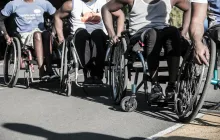
Functional movement principles apply across a broad spectrum of ages, abilities, and goals. For healthy adults seeking general fitness, the aim is to build a broad foundation of stable strength, mobility, and coordination that holds up under varied tasks. For older adults, functional training prioritizes balance, fall prevention, and the maintenance of independence; exercises may emphasize controlled movements, slower tempos, and supportive cues that promote confidence and safety. Athletes can benefit from refining movement efficiency, transferring raw strength into sport-specific tasks, and reducing the risk of injury by enabling better technique under fatigue. Individuals recovering from injury or dealing with chronic conditions require careful programming that respects tissue healing timelines while gradually reinstating functional patterns. Across these groups, the central thread is that training respects the organism as a whole—the joints, tissues, and nervous system work together to create a resilient platform for activity.
In specialized contexts, functional movement may be tailored to reflect particular daily tasks or occupational demands. For someone with a physically demanding job, repetition, load management, and postural endurance become priorities; for a parent caring for children or an active student, transitions between sitting and standing, lifting a child, and hurried movements may drive exercise choices. The adaptability of functional patterns is one of their strongest assets: they can be scaled up through heavier loads or scaled down to accommodate limited mobility, while preserving the essence of the movement family. The objective in every case remains clear—improve practical ability without sacrificing safety or long term health, and do so in a way that remains enjoyable and feasible over time.
Assessment and measurement of functional movement quality
Assessing functional movement quality involves observing how a person executes tasks that mimic real life and sport, and then using these observations to guide programming. Simple screens can reveal asymmetries, compensations, and early signs of movement inefficiency. A thorough assessment looks at postural alignment, breath control, joint flexibility, and the coordination of limbs during a sequence of movements. The evaluator seeks patterns such as excessive lumbar extension during bending, limited hip hinge mechanics, or inadequate shoulder blades control during overhead reaching. The results inform whether to emphasize mobility work, stability drills, or progressive loading in the functional family. However, assessments should be viewed as a guide, not a verdict; the objective is continuous improvement and a clear path toward safer, more efficient movement in daily life.
Longitudinal monitoring over weeks and months gives a more meaningful picture than a single session. Noting improvements in movement fluidity, reduced pain during routine tasks, and the ability to perform tasks with less perceived effort are powerful indicators of progress. Objective measures, such as time under tension for a given movement, rate of perceived exertion during functional tasks, or standardized functional tests, can complement subjective observations. The end goal of assessment is to inform a plan that respects the individual’s starting point, honors recovery needs, and builds a sustainable trajectory toward greater functional competence and autonomy across activities and environments.
Programming functional movements: structure and progression
Programming functional movements hinges on balancing variety with structure. A practical approach begins with establishing a stable base of movement quality and muscular endurance, then gradually introducing more complexity, load, and velocity as technique solidifies. The progression might involve increasing resistance through weights or bands, adding unilateral work to address imbalances, or introducing dynamic variations such as altered tempos and multi plane reach patterns. Because functional training thrives on integration, programming often alternates between days that emphasize full body integration and sessions focused on refining specific patterns with deliberate practice. This can help learners transfer improvements across tasks rather than confining gains to isolated movements.
Another critical dimension of programming is load management and recovery. Functional movements recruit multiple muscle groups and joints; therefore, fatigue accumulates in a way that may influence technique. Rational programming distributes higher intensity work across the week, embeds adequate rest, and aligns exercise choices with personal goals, whether that is enhanced daily performance, better athletic performance, or improved mobility. Across seasons and life phases, the ability to modulate intensity, distance, and complexity without sacrificing form becomes the anchor of sustainable progress. When approach and intent are consistent, functional movement training supports resilience and functional independence for years to come.
Movement quality, technique cues, and safety
Precision in technique is the cornerstone of safe functional movement. Coaches often guide learners with cues that promote neutral spine alignment, braced core, and controlled breathing. Common cues emphasize the hip hinge rather than a simple knee bend, the scapular setting and thoracic stability for upper body tasks, and the distal tracking of the knee over the midfoot during lunging and squatting patterns. Safety is not about avoidance of effort but about avoiding harmful compensations that place undue stress on joints or connective tissue. Mastery emerges gradually; the body learns to coordinate movement in more complex scenarios as stability and strength advance, reducing the likelihood of overload injuries and ensuring that progress remains sustainable.
Injury prevention arises from training that respects limits while gradually expanding capabilities. A practical approach includes mobility work for the hips, thoracic spine, ankles, and shoulders, as well as strengthening of key stabilizers such as the glutes, the core, and the rotator cuff where needed. Quality cues should be paired with individualized programming, especially for those with prior injuries or chronic conditions. When performed with attention to form and progression, functional movements become not just a means to get stronger but an ongoing practice that maintains joint health and movement freedom across life’s varied demands.
Equipment and environment: keeping it simple and accessible
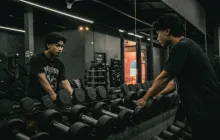
Functional movements excel in environments that emphasize practicality over complexity. A well designed program can be built around bodyweight, minimal equipment, and adaptable space. Simple tools such as resistance bands, a sandbag, a kettlebell, or a medicine ball can unlock a wide range of functional tasks. The emphasis remains on safe handling, efficient transitions, and progressive challenges rather than on showroom equipment. By prioritizing adaptable environments, individuals can practice movement in real world settings, whether at home, in a park, or in a gym, and still achieve meaningful improvements in coordination, strength, and control.
The choice of equipment should reflect the user’s goals, available space, and personal preferences. Some people respond well to kettlebell movements that emphasize hip hinge and whole-body coordination, while others benefit from lighter loads and higher repetition ranges to cultivate endurance and technique. The plan should celebrate variation, allowing movements to be performed on different surfaces and with different loads to prepare the body for the unpredictability of everyday life. Even with simple tools, the core idea remains: movement quality, progressive challenge, and safe execution drive lasting outcomes rather than short term, flashy results.
Functional training in rehabilitation and clinical contexts
In rehabilitation settings, functional movements become a bridge between clinical goals and real life. Therapists use functional tasks as benchmarks to gauge recovery and to guide the pacing of return to activity. The emphasis is on restoring essential movement capabilities that decrease disability and support independence. Exercises are frequently chosen for their relevance to tasks the patient values, such as standing from a chair, climbing stairs, or lifting objects safely. The progression is cautious and individualized, ensuring tissue healing and patient confidence coevolve. When applied thoughtfully, functional training can accelerate recovery while teaching strategies that minimize re injury risk and foster long term health habits.
Clinically, a functional approach often incorporates flexibility, strength, and control in a coordinated plan. It is common to layer mobility work with stability training to address underlying limitations that manifest as compensations during daily activities. A patient who learns to coordinate core engagement with limb movement during a reaching task will often experience improvements in posture, pain management, and functional capacity. The clinical utility of functional movements lies in their relevance, gradualism, and the ability to tailor tasks to the patient’s living environment and personal priorities, thereby enhancing motivation and adherence to therapy.
Functional movement and aging: sustaining independence
As people age, maintaining independence increasingly depends on the body’s ability to perform everyday actions with confidence and minimal discomfort. Functional movement training supports this objective by focusing on foundational patterns such as squatting, hinging, stepping, lifting, and carrying with safety and efficiency. Emphasis on balance, lower limb strength, and trunk stability helps reduce fall risk and preserves the capacity to navigate stairs, stand from a seated position, and reach for objects at varying heights. The routine becomes not merely a workout but a practical toolkit for aging gracefully, where each session reinforces the body’s ability to participate actively in life’s routines and enjoyable activities.
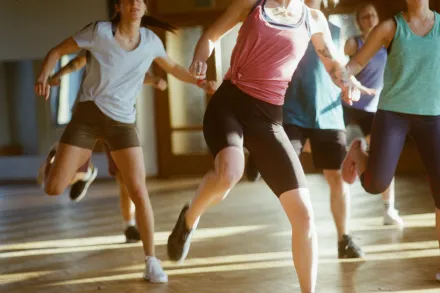
Equally important is the social and psychological dimension of aging well through movement. Functional practice can be integrated into social contexts, such as group classes or partner-based drills, which fosters motivation and accountability. When older adults experience progress in functional tasks, their confidence rises, leading to greater willingness to pursue new activities and maintain an active lifestyle. The overarching aim is to sustain a high quality of life by cultivating movement literacy, which translates into safer mobility, better energy levels, and an enduring sense of capability.
Practical implementation: daily life and performance enhancements
In everyday life, functional movements empower people to perform tasks with greater ease and less strain. A practical approach to daily implementation involves weaving movement practice into routine activities rather than viewing it as a separate obligation. For instance, taking the habit of warming up with a simple hinge pattern before heavy lifting tasks, or performing brief mobility resets during transitions between work and home life, can compound over time into meaningful improvements. The key is consistency and relevance: choose movements that mirror tasks you anticipate performing and progressively challenge yourself while preserving form. This approach helps sustain motivation as improvements are directly tied to personal experiences and daily outcomes.
Performance improvements in athletic contexts also benefit from functional movement training. Many sports require efficient energy transfer through coordinated body segments, rapid deceleration, and precise control under fatigue. Functional patterns trained with appropriate specificity—incorporating speed, balance, and multi plane dynamics—translate into enhanced performance, reduced injury risk, and longer competitive careers. Athletes often integrate functional work as a foundational layer that supports sport-specific skill development, ensuring that strength and mobility gains carry over into on-field movement, agility, and endurance in predictable and unpredictable game situations alike.
Common myths and misconceptions about functional movement
One prevalent misconception is that functional movement is merely fancy gym folklore without rigorous science behind it. In truth, practitioners recognize that movement patterns are grounded in biomechanics, physiology, and motor learning principles. Another misconception is that functional training requires complex equipment or elaborate programs; in reality, the essence of functional work lies in quality, progression, and transfer, which can be achieved with a simple repertoire and deliberate practice. Some people worry that focusing on daily task-like movements might neglect aesthetics or hypertrophy; however, modern approaches reconcile function with aesthetics by prioritizing movement efficiency, balance, and sustainable strength, which often correlates with improved body composition as an indirect outcome. Lastly, a common error is chasing new trends rather than mastering fundamental patterns; stability in technique and progressive challenge consistently yield durable benefits regardless of the specific tools used.
Addressing myths involves clear communication about goals, evidence, and individualized planning. When people understand that functional movement training is not a single method but a flexible framework that adapts to goals, constraints, and context, they become more receptive to gradual, informed experimentation. The strength of this approach lies in its universality and its respect for human variation—what works for one person might require adjustments for another, but the underlying principles of integration, safety, and transfer remain constant across populations and settings.
Integrating functional movements into a broader fitness plan
Functional movements do not exist in isolation from other training modalities; they are a vital component of a comprehensive fitness strategy. When combined with aerobic conditioning, flexibility work, and sport-specific drills, functional movement training contributes to a well rounded profile that supports health, performance, and longevity. A balanced plan might begin with a foundation of mobility and stability work, build into strength and control within functional patterns, and culminate in skill based tasks that reflect real life or sport demands. The sequencing should reflect the learner’s readiness, ensuring that prerequisites such as hip hinge proficiency, core bracing capability, and shoulder stability are established before advancing to more complex tasks or higher loads.
In practical terms, an integrated plan uses functional movement as the connective tissue that binds different fitness elements together. For example, a week might alternate sessions of mobility focused on ankle and thoracic spine mobility, with a separate day dedicated to compound multi joint movements in a functional framework, and another day that emphasizes conditioning and task specific drills. The repetition and progression across these sessions should be coherent, ensuring that improvements in one area support gains in another. Through deliberate integration, functional movement becomes a bridge between health oriented exercise and performance oriented goals, enabling people to train with purpose while enjoying the journey toward greater capability.
Looking forward: practical recommendations for practitioners and enthusiasts
For practitioners, the path forward rests on listening to the individual, observing movement quality, and guiding progress with compassion and clarity. Start with a clear assessment of baseline function, identify dominant compensations, and design a plan that targets those limitations through controlled exposure, technique refinement, and progressive loading. Encourage clients to embrace variability in practice, including different planes of motion, changing tempos, and alternative implements, so that the nervous system learns to adapt without becoming rigid in a single pattern. Documentation of progress helps sustain motivation, whether through simple notes, video analysis, or periodic re assessment to adjust the plan. Above all, prioritize safety, patience, and consistency, recognizing that meaningful, transferable gains accumulate gradually over months and years rather than weeks.
For enthusiasts and general readers, a pragmatic approach is to begin with the basics and build a sustainable habit. Choose a small set of functional movements that align with daily needs, such as hip hinging, squatting, lunging, pushing, pulling, and carrying, and practice them with mindful technique. As confidence grows, introduce gentle variations that challenge balance, control, and coordination, while respecting any existing pain or limitation. The objective is not to chase intensity for its own sake but to cultivate a reliable capacity to move well under diverse circumstances. By treating functional movement as a lifelong skill rather than a sporadic workout, individuals can enjoy greater independence, improved performance in daily tasks, and a healthier relationship with physical activity.