Suspension training is a versatile approach to physical conditioning that uses bodyweight and adjustable straps anchored to a stable point to create an unstable, dynamic workout environment. The core idea is to leverage gravity and leverage to challenge multiple muscle groups at once, demanding balance, coordination, and control. Unlike traditional weightlifting where resistance is often defined by fixed plates or machines, suspension training introduces adjustable leverage so that the same exercise can be tuned to a wide range of strength leve...
Fitness & Physical Activity


Flexibility is a dynamic quality that sits at the intersection of muscular length, nervous system tolerance, connective tissue pliability, and the mind’s readiness to release tension. When approached with care, consistent practice within a structured window such as thirty days can yield meaningful gains that extend beyond the scale of simple range of motion. This article presents a comprehensive framework for improving flexibility in a month, weaving together physiology, practical routines, safety considerations, and strategies for sustaining p...
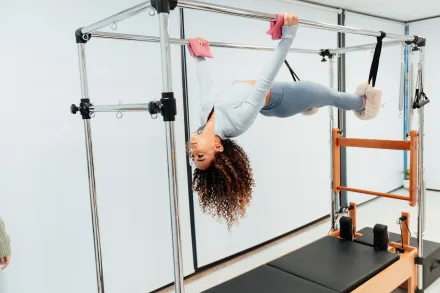
Balance is a dynamic skill that underpins nearly every daily action, from standing upright during a windy day to stepping confidently onto a curb or negotiating stairs with control. Improving balance through stability exercises is not merely about standing on one leg; it is a holistic practice that trains the nervous system, the joints, the muscles, and the brain to work together in harmony. The goal is to cultivate a stable core, resilient joints, and a responsive body that can adapt to surfaces, speeds, loads, and unpredictable perturbations....

Traveling often disrupts routines, yet it also offers a unique chance to explore new environments, acquire fresh movement patterns, and test the versatility of your fitness approach. The core idea is not to chase perfection on the road but to sustain a steady rhythm that respects both your goals and the realities of being away from home. With thoughtful preparation, you can protect your endurance, strength, flexibility, and overall well being, turning travel into an extension of your fitness journey rather than a detour from it. The aim is to w...

Understanding mobility as a foundational aspect of movement requires looking beyond muscles and range of motion alone. Mobility encapsulates how the joints, soft tissues, nervous system, and breath work together to allow fluid, pain free, efficient movement through the full spectrum of daily tasks. It is not a single exercise or a one time fix, but a dynamic quality that grows through consistent, varied, and mindful exposure to movement challenges. In everyday life mobility manifests as the ease with which a person can get in and out of a chair...

Leg strength is a composite attribute that arises from the coordinated effort of several major muscle groups, including the quadriceps on the front of the thigh, the hamstrings on the back, the gluteal muscles that shape the hip area, the calves that assist in plantarflexion, and the muscles of the hips and ankles that stabilize the limb during movement. The nervous system plays a critical role by recruiting motor units efficiently and synchronizing contractions across these muscles to produce a powerful and controlled movement. A robust leg st...

Muscle endurance represents the capacity of a muscle or group of muscles to sustain repeated contractions against a resistance for an extended period, or to hold a position against fatigue. It is distinct from maximal strength, which focuses on the greatest force a muscle can produce in a single effort. Endurance relates closely to how efficiently the body can generate energy, manage fatigue, and clear metabolic byproducts during repeated work. When a person develops improved muscle endurance, daily tasks become easier, workouts feel more susta...

Lower body strength forms the foundation of functional fitness, athletic performance, and everyday independence. The muscles that drive the hips, knees, and ankles work in concert to propel you from one movement to the next, whether you're walking up stairs, sprinting on the track, or lifting a heavy object from the floor. Building robust strength in the legs and hips supports posture, protects joints, and enhances balance, power, and speed. Yet many people treat the lower body as secondary to upper body training, missing opportunities for mean...
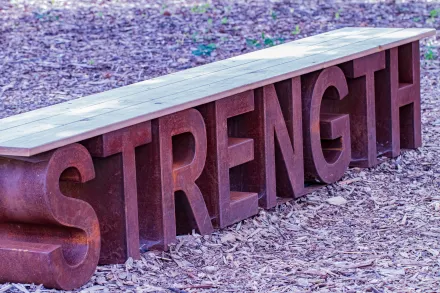
In the landscape of athletic development, the idea of building both strength and endurance at the same time is a compelling target that many athletes pursue with varying degrees of success. The underlying principle rests on the integration of neuromuscular adaptations that increase force production with metabolic adaptations that enhance the capacity to sustain effort over longer periods. When approached thoughtfully, this dual growth can create a resilient engine capable of moving heavy loads efficiently while also maintaining pace and economy...

Upper body strength is a blend of muscle size, neural efficiency, tendon resilience, and coordinated movement across several joints. The major muscle groups involved include the chest muscles, the shoulders, the upper back, the arms, and the forearm complex, all operating together to generate force, stabilize the torso, and control the movement through every repetition. Beyond raw muscular size, true strength comes from the nervous system learning to recruit those muscles efficiently, to produce force quickly, and to sustain that force under fa...