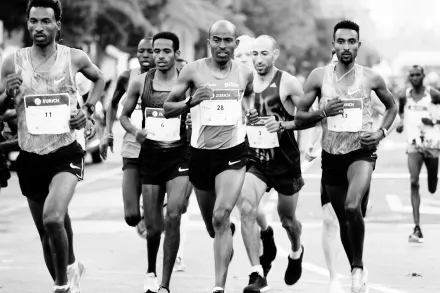
Running a 5K or a 10K is an accessible goal that rewards patience, consistency, and intelligent planning. The difference between finishing comfortably and feeling spent is often the quality of training rather than raw talent. The approach for a 5K centers on a balance between aerobic endurance and speed elements, while a 10K requires additional stamina and a more deliberate rhythm to hold pace over a longer distance. The core idea is gradual progression, listening to your body, and building a foundation that keeps you healthy while you learn to manage effort, pace, and recovery across weeks. This article explores how to train for either distance with practical guidance, concrete ideas, and a focus on sustainable habits that you can adapt to your schedule, your preferences, and your current fitness level.
Assessing Your Starting Point
Before you jump into a plan, take stock of where you are today. If you have a history of running, note how many days you run per week, your comfortable weekly distance, and whether you can sustain a continuous jog for half an hour or more. If you’re new to running, begin with a gentle ramp that combines walking and light jogging to see how your joints respond and to establish a baseline for future progress. In either case, consider any medical concerns or past injuries, and discuss a plan with a clinician or a trusted coach if you have concerns about knee, ankle, or hip pain, or if you are returning after a long break. The goal of this assessment is not to judge your current ability but to map a realistic path that respects your history, your current energy levels, and your time commitments so that you can progress without setbacks or burnout.
Setting Realistic Goals
Clear goals help guide training decisions and give you something concrete to measure. When you set goals for a 5K or 10K, think about what success means beyond simply finishing. Some runners aim for a specific finish time that reflects a comfortable pace, others prefer to run at a consistent effort and cross the line knowing they left everything on the course. Realistic targets consider your recent runs, your current pace on easy days, and your willingness to invest time in workouts that might feel challenging at first. A well crafted goal aligns with your life schedule, respects your training history, and offers a plan that you can repeat for future races while staying sustainable and enjoyable so that running remains a positive habit rather than a source of stress.
Building an Endurance Base
Endurance is built in small, consistent doses of movement that increase weekly mileage in a controlled way. A practical base period emphasizes easy running, regular long runs that gradually extend, and ample recovery to let the body adapt. The emphasis on easy pace does not mean slow or dull; it means pace that allows you to hold a conversation and keep breathing steady, which trains the cardiovascular system, improves muscle efficiency, and strengthens connective tissue. During the base phase you want to accumulate a weekly total that grows gradually by a modest amount, often guided by a simple rule like not increasing weekly miles by more than about ten percent, while paying attention to signs of fatigue or niggles that warrant extra rest or a lighter week. With patience, you extend the distance you can cover at a comfortable pace, and you begin to notice that your legs recover more quickly after runs, your heart rate for easy efforts drops slightly, and your confidence grows as you realize distance no longer feels intimidating.
In practice this base period translates into a sequence of easy runs that build endurance, a weekly long run that becomes progressively longer, and a couple of medium length days that reinforce rhythm without overstressing the system. It is common to include at least one dedicated recovery day in each week, plus a short mobility or mobility and flexibility session to support joints and hips. The long run is the anchor, and the total weekly volume should align with your current experience. If you are returning from a layoff or you are new to running, your base might begin with very modest distances and slowly extend; if you already run regularly, you can use this phase to simply raise your weekly mileage ceiling and incorporate more consistent weekly structure, all while keeping the pace firmly in the easy zone so that you accumulate time on your feet without fatigue that lasts for days.
Over the weeks you should notice subtle improvements in how you feel during and after runs; your recovery feeling becomes quicker, your legs feel lighter on the later miles, and your appetite for regular training grows. The base is not a time to chase speed; it is a time to train the body to tolerate more volume while preserving form and enjoying movement. A practical approach is to plan a simple pattern such as two or three easy runs, a longer weekend run, and perhaps a cross training day like cycling or swimming that provides cardiovascular work with less impact on joints. This foundation will support later work that introduces faster paces, hills, and tempo runs without sacrificing health or consistency.
Introducing Speed Work and Tempo Runs
Once a basic endurance base is established, you can begin to introduce workouts that challenge the body to handle faster paces and to sustain effort for meaningful intervals. Speed work teaches your legs to resist fatigue at higher intensity, and tempo runs train you to maintain a steady, controlled pace close to your threshold for an extended period. The key is to integrate these sessions gradually so that fatigue does not accumulate beyond recovery. A typical approach is to substitute a single easy run with a short interval session that includes a few repetitions at a fast, controlled pace, followed by a generous recovery jog. You might begin with short accelerations or fartlek bursts, then progress to more structured intervals, always focusing on form, breathing, and consistency. The tempo piece is usually a continuous effort at a pace that feels challenging but sustainable, adding a bit of mental discipline as you hold the line in the face of discomfort. Over time, these workouts translate into clearer pace signals, smoother transitions between effort levels, and the ability to finish tougher workouts feeling capable rather than spent.
Because energy systems adapt at different rates, the challenge is to balance full recovery with enough stimulus to drive improvement. A practical plan involves a weekly mix of one interval session, one tempo session, and one moderate run, alongside a couple of easy runs and a long run. The interval session for beginners may be a handful of couple minute repeats with equal recovery, while more advanced athletes might accumulate more total interval time with longer rest. The tempo session should be tuned to a pace that is comfortably hard, where you can sustain the effort for a predetermined period, while still maintaining good running form. Strides or short pickups at the end of easy runs can be included to reinforce good mechanics without adding excessive fatigue. The combination of these elements helps you develop both speed and endurance, enabling you to run a faster 5K or 10K without breaking the training capacity you’ve built in the base phase.
Strength Training and Injury Prevention
Strength work is a critical companion to running, not an optional add on, because it reinforces joints, protects connective tissue, and improves running economy. A balanced program focuses on the hips, glutes, thighs, calves, and the core, with emphasis on multi joint movements and stability work that translates into better control on uneven surfaces and more efficient mechanics on the road. You can fit short, focused sessions into two weekly slots with exercises such as bodyweight squats, step ups, lunges, hip bridges, planks, side planks, and simple single leg work. When you add resistance, keep the weights moderate and the repetitions high enough to promote endurance rather than maximal strength early on; the aim is to develop resilience and efficient movement patterns, not to become tired before your next run. Regular mobility work, including gentle hip openers, ankle mobility, and thoracic spine rotation, complements strength training and reduces the risk of overuse injuries that can derail a race plan.
Injury prevention also involves listening to signals from the body and respecting rest. If a joint aches persistently or pain surfaces during a run, the prudent choice is to back off and seek guidance from a clinician or a coach who can assess mechanics and load. A well designed plan distributes load evenly, so you aren’t forced to push through pain with compromised form. A simple rule of thumb is that soreness should fade within a day or two after a workout; if it lingers, it is a sign to adjust training intensity or add additional recovery. Consistency is more valuable than the occasional heroic effort, and that mindset helps you stay steady through busy seasons, travel, and life events which can otherwise disrupt training. Strength work, mobility, and careful monitoring of how your body responds create a robust framework that supports progress and longevity in the sport.
Nutrition, Hydration, and Recovery
What you eat and how you recover are intimately linked to how well you perform and how quickly you adapt. A practical nutrition plan supports training by providing adequate energy, macronutrient balance, and timely fueling around workouts. On easy days, your meals can emphasize whole, minimally processed foods with ample carbohydrates to replenish glycogen stores, along with sufficient protein to support muscle repair and a variety of colorful vegetables to supply micronutrients. Hydration matters as well, and many runners find it useful to sip on water throughout the day and to have a small amount of fluid before and after workouts; on longer or hotter sessions an electrolyte solution can help restore minerals lost through sweat. Recovery strategies such as proper sleep, rest days, and light activities on off days, as well as gentle stretching and mobility work to maintain range of motion, help the body absorb training stress and return ready for the next session. When you combine thoughtful nutrition with consistent training, you feel more energized during runs, your body recovers between workouts, and you sustain steady progress toward your race goals.
The timing of meals around workouts can influence performance and adaptation. A practical approach is to have a meal or snack with carbohydrates and some protein a couple of hours before a workout, and to consume a protein rich snack or meal soon after finishing, especially on harder sessions or long runs. For longer sessions or races, you may also want to experiment with quick energy sources such as sports gels or small fruit during the run, paying attention to gastrointestinal comfort. Recovery days deserve attention as well, with light activity that keeps blood flowing and aids mobility. A consistent sleep pattern is perhaps the most powerful component of recovery, supporting hormone balance, tissue repair, and cognitive sharpness. Together these elements form a sustainable rhythm that propels your training forward while helping you avoid fatigue, mood swings, and persistent soreness that can erode motivation over time.
Designing a Practical Plan
Designing a practical plan requires translating your goals into a weekly rhythm that fits your life. A realistic plan includes several easy runs that build comfort with distance, a long run that expands weekly endurance, a couple of workouts that push pace or intensity at controlled levels, and regular opportunities for strength training and mobility. The challenge is to balance workload with recovery so you stay healthy and motivated. You might alternate three or four running days with a cross training option or rest day depending on your schedule, and you should arrange a plan that allows for flexible adjustments when life becomes busy. The most important aspect is consistency; small, regular improvements accumulate over weeks and months in ways that feel steady and manageable. A plan that respects your time, preferences, and current fitness will keep you progressing toward your target distance whether you are aiming for a 5K or a 10K with a sense of empowerment instead of pressure.
As you build a routine, consider how you will handle setbacks or travel. A good plan offers contingency options such as shorter workouts that preserve fitness while allowing for rest and adaptation or alternative activities that keep your body moving without fully breaking the training continuum. You can also create buffer room for signs of fatigue, which helps you avoid overtraining while still maintaining forward momentum. In practice this means scheduling easier weeks after tougher sessions or holidays when life disrupts your routine. A thoughtful, individualized approach makes it possible to progress in a structured manner while staying aligned with your personal energy levels and obligations, and that alignment is a strong predictor of adherence and enjoyment across many weeks of training.
A Sample Training Timeline
A practical way to conceptualize progress is to imagine three overlapping phases that can extend over several weeks each. The initial phase emphasizes building comfort with the activities and tuning the body to the rhythm of training, the second phase introduces a greater emphasis on pace and sustained effort, and the final phase concentrates on sharpening for race day while preserving recovery. In the base portion you start with modest weekly mileage, include a long run that gradually extends, and keep workouts at a pace that allows conversation. As weeks pass you may gradually add a touch more intensity, introducing short intervals and a tempo session to your routine, while maintaining sufficient easy days to recover. The goal of this timeline is to allow your body to adapt gradually and to give you confidence in the process so that when you arrive at race week you feel prepared and capable.
During the build phase you might replace one easy run with a speed focused workout, such as a few short repeats with equal recoveries, and you could increase the distance of your long run or bring in a tempo run that stretches the pace you can hold. In this stage the cumulative training load rises, and you learn to manage effort with pacing strategies that match your race distance. In the final phase you dial in distance and pace and practice specific race rehearsals that emulate race conditions, including nutrition timing and mental strategies, while maintaining a small cushion of easy days to prevent fatigue from accumulating. This three phase approach is designed to translate broad improvements in endurance, speed, and consistency into a practical plan that feels doable and enjoyable across weeks of training for either a 5K or a 10K.
Throughout the timeline it is important to listen to your body and to adjust the schedule when life circumstances demand it. The aim is not to chase perfection but to create reliable habits and a flexible framework that produces progress while minimizing the risk of injury or burnout. A thoughtful approach means you respect your energy balance, you adapt to fluctuations in motivation or sleep, and you maintain an attitude of curiosity about how your body responds to different workouts. When this mindset is combined with steady progression and thoughtful recovery, you place yourself in a strong position to achieve your race goals, whatever they may be, and to enjoy the journey of training as a meaningful part of your lifestyle rather than a source of stress or pressure.
Pacing Strategies and Race Day Preparation
With either distance, pacing is a central determinant of how you feel through the final portion of the race. An effective approach starts from a realistic sense of your current ability on similar routes and conditions and evolves into a disciplined plan that allows you to attack the race with confidence rather than fear. Many runners find that running negative splits—finishing the race faster than they started—feels comfortable when the training has prepared them to sustain effort and to manage fatigue. Pacing strategies also include learning how to respond to hills, wind, and variations in surface, and to adjust your effort in response to how you feel on the day rather than chasing a pace that may not reflect the actual conditions. Race rehearsal is valuable, including practice runs that simulate the course terrain and the timing of fuel intake so the body learns to respond predictably under pressure. When you combine smart pacing with a calm breathing pattern and a steady cadence you improve efficiency, conserve energy, and maintain focus so that the final miles feel like a continuation of the work you have already done rather than a sudden surge of effort.
Race day preparation includes practical details that help you execute your plan. Ensure your gear is comfortable and familiar and that you have tested your shoes, socks, and clothing in similar conditions to the race day. Plan logistics such as arrival time, the layout of the starting area, and the location of aid stations, while keeping a simple fueling strategy that you have practiced during training. A reliable warm up that gradually elevates heart rate and loosens the joints sets the stage for the initial minutes of the race, and a short cooldown after crossing the finish helps you transition back to a resting state. Mental cues and positive self talk can sustain you through moments when fatigue becomes a partner rather than a visible enemy. In the end, the experience of the race reflects the culmination of consistent training, careful planning, and a belief in your own capacity to endure and adapt to the demands you set for yourself.
Gear, Environment, and Safety
The practical choice of gear influences comfort, efficiency, and safety across training and racing. A good pair of running shoes tailored to your foot type and strike pattern provides the foundation for training without excessive irritation or injury, and you may want to replace shoes every several hundred miles to preserve cushioning and support. Clothing appropriate to the weather keeps you comfortable and reduces the risk of chafing or overheating, and you can layer for colder runs while choosing breathable fabrics for warmer days. The surface you train on matters as well; running on mixed terrain can improve stability but may demand extra attention to foot placement, while too much time on a hard surface can increase joint stress; a combination that fits your body and the race course is often best. Access to a safe route, light traffic conditions, and visible gear such as reflective elements contribute to your overall safety and confidence during all training and race activities.
In addition to equipment, your environment shapes how training feels. Temperature, humidity, wind, and altitude each influence your perceived effort and your pace, and you can adapt by adjusting your workout plan when conditions are extreme. Hydration strategy influences performance, especially on longer workouts or in heat, and you may use portable fluids or electrolyte solutions depending on the duration and intensity of the session. It can be helpful to have a plan for days when the weather discourages outdoor running, including accessible cross training options like indoor cycling, swimming, or treadmill runs that maintain the training cadence without exposing you to unnecessary risk. The goal is to create a flexible environment that supports steady progress while protecting your well being and keeping you engaged with training over the weeks and months ahead.
Mental Focus and Motivation
Running is as much a mental practice as it is a physical one, and cultivating a calm, curious approach to training can make a dramatic difference in how you perform and how you feel along the way. Techniques such as mindful breathing, positive self talk, and visualizing successful moments on race day help you maintain focus during long runs or tough intervals. The journey toward a 5K or 10K often includes fluctuations in motivation, but the regular structure of a well planned program can provide a dependable frame that reduces anxiety and increases commitment. You can strengthen your mental stamina by setting micro goals within workouts, acknowledging small improvements, and reminding yourself that progress does not always look dramatic on a single day but adds up consistently over weeks and months. With patience, persistence, and an attitude of curiosity, you develop resilience that carries into every aspect of training and life, transforming challenge into an opportunity to learn and grow while you pursue the goal of completing a race with a sense of pride and enjoyment.
As you continue to train, reflect on what motivates you beyond the finish line. Some runners are driven by personal health, others by the satisfaction of consistent habit building, and many are drawn to the social connections that come with group runs, clubs, or running events. Embracing the process, savoring the days when a workout feels effortless, and staying attentive to rest and recovery lets you experience running as a long term partner rather than a temporary obligation. The path toward a 5K or 10K can be navigated with a steady heart, a hopeful mind, and a body that gradually adapts to the demands you place on it. With this mindset you approach race preparation as a balanced, fulfilling endeavor that yields improvements in speed, endurance, and confidence, while preserving the joy and purpose that drew you to running in the first place.