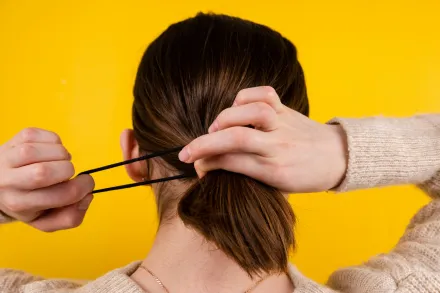
Damaged hair often reveals itself through a combination of dryness, stiffness, and breakage that feels coarse to the touch. When the protective outer layer, the cuticle, becomes raised or cracked, light reflects unevenly and the hair appears dull and frayed at the ends. The signs can vary from person to person, but a frequent pattern is increased shedding during brushing, a tendency to tangle easily, and a lack of elasticity that makes strands snap rather than bend when you try to stretch them. The root causes span several pathways including ex...
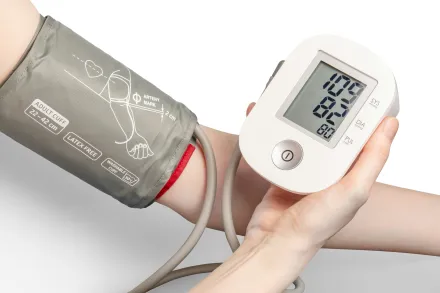
Across the landscape of cardiovascular monitoring, the journey from traditional cuff auscultation to continuous wearable sensing marks one of the most dynamic shifts in modern medicine. Early devices relied on a familiar inflatable cuff and a clinician skilled in listening for systolic and diastolic landmarks, a process that could be invasive in its inconvenience and time consuming in busy clinical settings. In recent decades, the push to empower patients to track their blood pressure beyond the clinic walls has accelerated, driven by advances ...
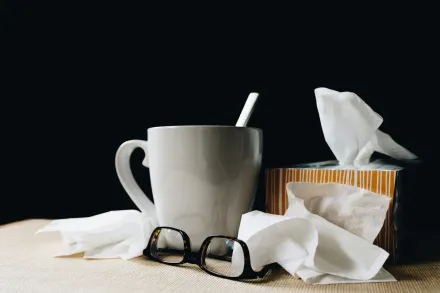
During the shifting rhythms of the calendar, organizations often experience a surge in illness that accompanies the work season. The repercussions extend beyond a single person’s absence; they ripple through the workplace, affecting project timelines, client delivery, and the morale of colleagues who must absorb extra responsibility. When sickness enters the loop of a busy period, the strain can become a quiet background hum that undermines productivity and focus. Recognizing the multifaceted impact of sick days is the first step toward creatin...
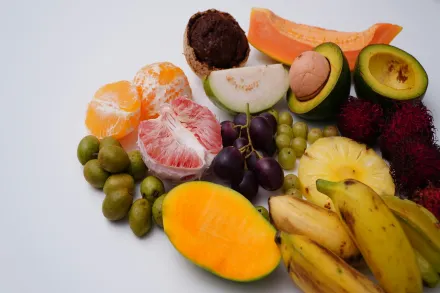
Chronic inflammation is a subtle, persistent condition in which immune signaling molecules known as cytokines maintain a state of low‑grade alert inside the body. Among these messengers, proinflammatory cytokines such as TNF-alpha, interleukin 6, and interleukin 1 beta can become elevated in response to stress, poor sleep, sedentary behavior, and certain dietary patterns. The dietary landscape is not a passive backdrop in this process; it can actively shape the production and activity of these cytokines. When scientists describe how food can mo...

In a world that often moves with rapid tempo and constant stimuli, anxiety can feel like an uninvited companion that shadows daily life with a steady, sometimes exhausting, sense of vigilance. Mindfulness emerges as a practical approach rooted in attention, intention, and attitude that invites individuals to observe experience with curiosity rather than judgment. The core idea is simple in description yet profound in its application: to anchor awareness in the present moment and to notice what is happening inside and around us without instantly...

In the digital age, screens are a constant presence in homes, workplaces, and pockets. The glow from devices can capture attention, deliver information, entertain, and connect people across distance, but it can also erode focus, disturb sleep, and erode a sense of leisure that feels fully lived away from a glowing panel. This article explores practical strategies to reduce screen time without sacrificing productivity, relationships, or curiosity. By approaching the challenge with curiosity and patience, you can shape a healthier rhythm that ali...

Across the spectrum of anxiety disorders, individuals experience persistent worry, fear, and physiological arousal that can impair daily functioning and quality of life. Traditional therapeutic approaches, especially cognitive behavioral therapies, have proven effective for many, yet barriers remain in exposure to real world situations, access to trained professionals, and the ability to calibrate the intensity of feared stimuli. Virtual reality technology offers a bridge between imagination and control by creating immersive, computer generated...
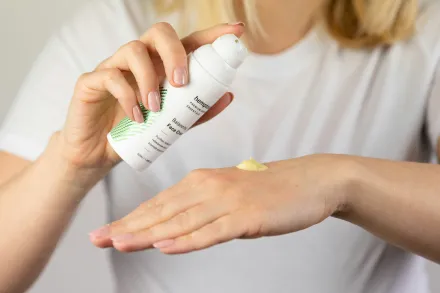
Fungal infections of the skin are among the most common health concerns encountered in daily life, touching people of all ages and backgrounds. These infections arise when microorganisms such as dermatophytes, yeasts, or non dermatophyte molds invade the superficial layers of the skin, keratinized tissues, and sometimes the nails. The typical presentation can range from red, scaly patches and itching to more subtle changes in texture and color, and in some cases the affected areas may become cracked or macerated due to prolonged moisture exposu...
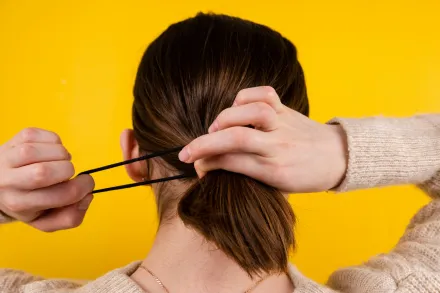
The scalp is more than a simple foundation for hair investment; it is a living, breathing ecosystem that includes a thin protective barrier, small sweat glands, sebaceous glands that produce oil, and a community of microorganisms that coexist with skin cells. This intricate system influences how hair looks, feels, and behaves. The health of the scalp depends on a balanced pH, usually mild acidity on the surface, which helps keep the barrier intact and the flora in harmonious balance. When this balance shifts, it can manifest as dryness, flakine...
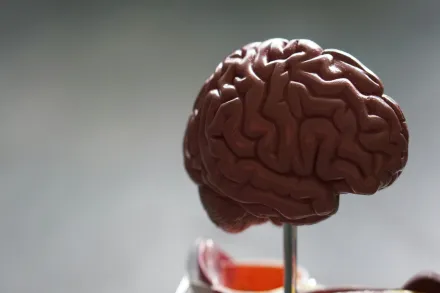
Nutrition acts as a foundational driver of brain health across the lifespan, shaping how neurons communicate, how quickly networks form during development, and how resilient the brain remains in the face of aging or injury. The brain is energetically demanding, consuming a substantial portion of the body's energy despite comprising a fraction of body weight. This metabolic intensity means that the quality, timing, and composition of dietary intake can influence cognitive performance, mood regulation, and the brain's capacity to adapt to changin...