Rheumatoid arthritis is a chronic autoimmune condition that manifests as persistent joint inflammation, swelling, and pain, often accompanied by fatigue and reduced physical function. While medical treatment, physical therapy, and rest form the backbone of management, nutritional choices can influence how people experience symptoms and how their body responds to therapy. Diet does not cure rheumatoid arthritis, but the foods we eat can modulate inflammation, support immune balance, maintain energy, and help protect bone and connective tissue. A...


Seasonal Affective Disorder, commonly abbreviated as SAD, is a form of mood disturbance that follows a seasonal pattern. It is more than the ordinary fluctuation of feelings that people experience with changing weather or the rhythms of daily life. SAD tends to recur at particular times of the year, most often beginning in the autumn or winter and subsiding in the spring or early summer. This pattern can involve low mood, reduced energy, changes in sleep and appetite, and a withdrawal from usual activities that once brought meaning or pleasure....

Aromatherapy is a discipline that blends the art of scent with the science of skin care to create a holistic approach to healthy, radiant skin. When essential oils are extracted from plants and carefully diluted in carrier oils, they carry complex chemical profiles that can influence the skin on multiple levels. The practice has deep roots in traditional healing systems, yet it remains vibrant in modern beauty routines as researchers continue to explore how volatile compounds interact with the skin’s protective barrier, its microbial inhabitant...

Resilience is the evolving capacity of a person to face pressure, recover from setbacks, and continue moving toward meaningful goals. It is not a fixed trait that some people possess and others do not, but a dynamic set of skills that can be cultivated through intention, practice, and mindful awareness. A resilient mindset blends courage with curiosity, allowing a person to acknowledge pain or difficulty without being overwhelmed by it. When adversity arrives, this mindset helps create space for deliberate choice rather than automatic reaction,...
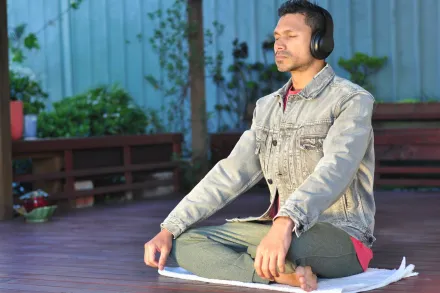
Stress is a complex biological and psychological response that arises when demands exceed perceived resources. In daily life it manifests as tension in the muscles, shallow or irregular breathing, racing thoughts, and a sense of being overwhelmed. Tai Chi offers a gentle pathway to soften these responses by guiding the body to move with intention rather than brace against pressure. The practice invites a slow, continuous release of stiffness and a deliberate shift toward steadier rhythms that counteract the body’s fight or flight instincts. Whe...

Cardiovascular exercise, commonly called cardio, refers to activities that elevate the heart rate and increase breathing for sustained periods. At its core, cardio improves the efficiency of the heart, lungs, and circulatory system, enabling more oxygen to be delivered to working muscles. This process supports sustained energy production through aerobic pathways and can contribute to a negative energy balance when integrated with an overall plan. Cardio encompasses many modalities, from brisk walking and cycling to running and swimming, each wi...

Across cultures and throughout history, people have intuited that what we eat can shape how we feel, think, and cope with daily life. In modern science this intuition has evolved into a robust field that examines the complex networks connecting nutrition, the brain, and emotional well being. Nutrition does not operate in isolation; it interacts with genes, hormones, the immune system, the gut microbiome, sleep, physical activity, social environment, and stress. Taken together, these interactions help explain why a balanced diet can support resi...

Type 2 diabetes represents a complex metabolic condition in which the body's ability to regulate glucose becomes impaired through a combination of insulin resistance and diminished insulin production over time. This disease does not arise from a single event but rather from a dynamic interplay of genetic predisposition, environmental influences, and behavioral factors that converge to disrupt normal glucose homeostasis. In many populations, the condition develops gradually, often remaining undiagnosed for years while blood glucose levels drift ...

Chronic pain is a condition that extends beyond the expected healing window and resists simple explanations or quick fixes. When it persists, it can reshape daily life, limiting mobility, dampening mood, and eroding confidence in one’s body. Exercise is not a cure-all, but it is a powerful tool that, when chosen with care and applied steadily, can recalibrate how the body processes pain, improve physical function, and restore a sense of agency. This article takes a wide, human-centered view of exercise as medicine for chronic pain, emphasizing ...

Plyometric exercises are a category of training characterized by quick, explosive movements designed to improve power, reactive strength, and neuromuscular efficiency. These drills typically involve an eccentric loading phase followed by a rapid transition to a concentric push, such as a jump after a countermovement. The underlying science emphasizes the stretch-shortening cycle, where the muscle-tendon complex stores elastic energy during the pre stretch and releases it to augment force production. The safety angle matters because the same eff...