The world of makeup is a delicate balance between artistry and practicality, where intention meets technique, and where small missteps can derail even the best intentions. This article explores a broad set of common mistakes that people make when they apply makeup, and it offers thoughtful guidance on how to avoid them or recover gracefully when a misstep has already occurred. Rather than presenting rigid rules, this discussion invites a curious approach to cosmetics, one that emphasizes skin health, appropriate product choices, and mindful app...

In a world that often moves with relentless speed the nervous system can bear the weight of constant input, deadlines, and social pressures. Aromatherapy offers a receptive, sensory pathway to support emotional balance and physical calm. It is not a magic wand but a companion that can harmonize with established stress management habits, such as mindful breathing, regular movement, and sustainable sleep. The scents we choose carry signals that travel through the nose to the brain, influencing emotional centers and autonomic responses. When used ...

Understanding the connection between stress and immunity is essential for anyone seeking to support their health in a busy world. When the mind perceives threat or demand, the body responds with a cascade of chemical signals that prime muscles and alter immune function. This response is adaptive in the short term, helping you react to danger or meet a deadline. However, when stress becomes chronic, the same system can drift into patterns that dampen the immune defense and leave you more susceptible to infections and slower recovery from illness...

Asthma affects hundreds of millions around the world, imposing a heavy burden on individuals, families, and healthcare systems. For decades the cornerstone of management has been inhaled medications delivered through pressurized devices, with patient technique and adherence emerging as the most variable factors in treatment success. The emergence of smart inhalers—devices that couple precise actuation with sensors, connectivity, and analytics—has begun to change the landscape by turning inhalation into a traceable, data-rich activity. These inn...

When a person begins exercising at home, the first step is to build a mental map of how movement changes the body over time. Understanding the core principles helps transform enthusiasm into consistent progress rather than brief bursts of energy that fade away. At the heart of a successful home program lies gradual, measurable adaptation, often described in practical terms as progressive overload. This means that over weeks and months the body is gently challenged with tasks that are a notch tougher than what was previously comfortable, allowin...
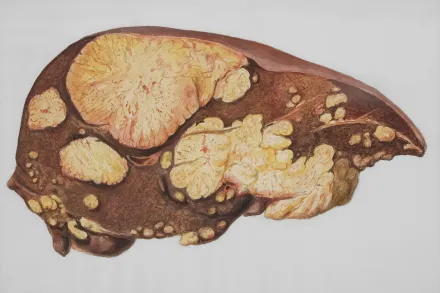
Pancreatitis is an inflammatory process that affects the pancreas, an organ tucked behind the stomach that plays a pivotal role in digesting fats, proteins, and carbohydrates while also helping to regulate blood sugar through hormonal signals. The way pancreatitis presents can vary widely from person to person and from one episode to another, and early recognition often hinges on paying attention to patterns of abdominal pain, digestive upset, and systemic signs such as fever or dehydration. This article delves into the range of symptoms that m...

In the realm of nutrients that influence the immune system, vitamin D stands out as more than a simple vitamin; it can be described as a hormone precursor that travels through the body to regulate gene expression in many cells involved in defense. The synthesis begins in the skin when ultraviolet B rays convert 7-dehydrocholesterol to cholecalciferol, which is then transported to the liver and the kidney to become the active form, calcitriol, through a series of metabolic steps. This pathway creates a mechanism by which vitamin D status reflect...

Lower body strength is the foundation of everyday mobility, athletic performance, and long term joint health. It encompasses the ability of muscles such as the quadriceps, hamstrings, glutes, and calves to produce force, control movement, and absorb impact across a range of tasks. Strength in the hips and knees translates to stability during walking, running, stepping, and climbing stairs, while ankle and calf strength contribute to balance and propulsion. A holistic approach to building lower body strength at home recognizes that these muscles...
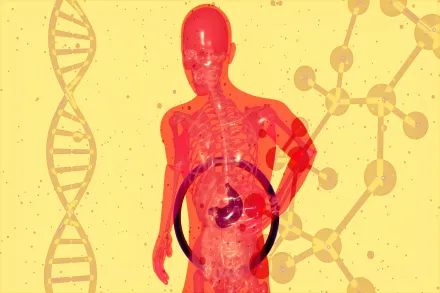
The human gut is far more than a tube that digests food; it functions as a vast immune organ that continually samples the contents of the intestinal lumen, interprets signals from resident microbes, and coordinates responses that protect the body from pathogens while tolerating harmless nutrients and commensals. Within this system, specialized tissues such as the gut-associated lymphoid tissue serve as command centers that train circulating immune cells. It is estimated that a large portion of the body's immune cells engage with the gut on a da...

Vertigo is a complex experience that reaches beyond simple dizziness, presenting as a spinning sensation, a feeling of revolving in space, or a profound sense of imbalance. This phenomenon emerges when the brain receives conflicting information about motion and position from the sensory systems that help humans navigate the world. The most common way people describe vertigo is as a sense that the room is moving around them or that they themselves are tilting, even when they are standing still. These sensations can be brief, lasting only a few s...