Eyebrows hold a quiet power in the overall impression we project, acting as frames for the windows to the gaze and as silent signposts that guide attention across the face. The art of shaping eyebrows is not simply about copying a popular shape from a magazine; it is about listening to the natural growth pattern of the brows, reading the unique contours of the brow bone, and balancing those elements with the rest of the facial features. A well crafted brow can lift the eye, soften sharp angles, and create the illusion of symmetry where it matte...


Mindfulness meditation stands at the intersection of ancient contemplative traditions and modern scientific inquiry, a meeting ground where a simple practice of attention becomes a laboratory in which the mind and body are gently observed, labeled, and studied. The core idea is not to erase experience but to unfold a different relationship to it, one that reduces automatic reactivity and fosters a steadier, more compassionate engagement with the present moment. When a person sits with curiosity and nonjudgmental awareness, thoughts arise, emoti...
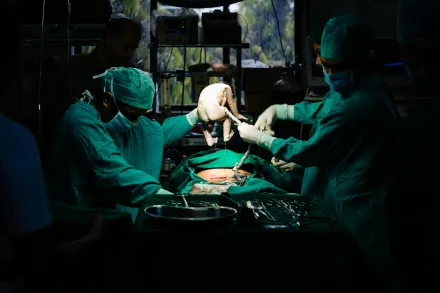
Over centuries, surgery has been a central pillar in cancer care, evolving from crude excisions to highly selective, function-preserving operations. In ancient times, cancer was thought to be incurable; with the advent of anesthesia and antisepsis in the 19th century, surgeons began to attempt more ambitious resections. The 20th century introduced a more systematic, evidence-based approach, with the goals of removing the tumor with negative margins and addressing regional disease through lymphadenectomy. The Halsted era popularized the radical ...

Humor is more than a quick laugh or a punchline; it is a dynamic cognitive and emotional practice that helps people navigate the frictions of daily life and the sharper shocks of crisis. Mental resilience, understood as the capacity to recover from setbacks, adapt to ongoing stressors, and maintain a sense of purpose, does not arise from a single skill but from an interconnected set of processes. Humor contributes to this web by shaping how people interpret events, regulate affect, and mobilize social and physical resources. When a person can f...

Self-esteem describes how we evaluate our own worth and value, while anxiety arises when anticipation of threat triggers physiological and cognitive responses. Although these constructs may seem distinct, they interact in powerful ways that shape everyday functioning. High self-esteem often carries with it a sense of stability and competence, which can dampen the perceived severity of potential threats and reduce avoidance behaviors. Conversely, persistent anxiety can erode self-esteem by creating patterns of self-criticism, social withdrawal, ...
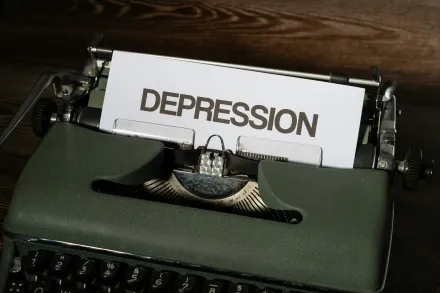
Depression and related mood disorders affect millions globally, shaping how people relate to themselves and others, interfering with daily functioning, and casting a long shadow over personal and societal well-being. Antidepressants emerged as a central pharmacological tool to address the neurobiological components of these conditions, complementing psychotherapy, lifestyle interventions, and social supports. The role of these medications is not simply to suppress symptoms but to alter the trajectory of illness by modulating neural circuits inv...
Across human history, people have spoken to themselves in ways that moralize and stabilize the self, seeking to anchor behavior in a preferred sense of identity. In ancient and enduring traditions, spoken phrases, mantras, prayers, and chants carried not just symbolic meaning but a felt resonance that guided attention and action. In many cultures, words were believed to carry energy that could shape mood, intention, and social interaction. The modern psychological interpretation reframes this practice as a cognitive tool that helps a person ali...
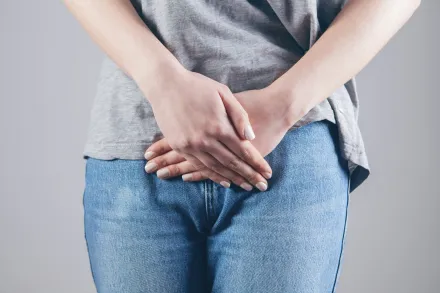
Living with irritable bowel syndrome IBS is a journey through symptoms, uncertainty, and the daily task of finding a balance between comfort and activity. IBS is a common functional bowel disorder characterized by chronic or recurrent abdominal pain or discomfort associated with altered bowel habits, such as urgency, bloating, constipation, or diarrhea. Although the exact cause remains complex and multifactorial, rising evidence points to a dynamic interplay between gut motility, intestinal sensitivity, microbiome composition, and the brain's i...
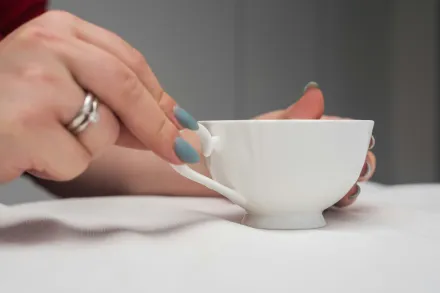
Cupping therapy is a traditional approach that uses suction to draw the skin and underlying tissues into a cup, creating a gentle vacuum that affects the superficial layers of muscle, fascia, and blood vessels. For many people it is a complementary technique that can be integrated with other forms of care to address persistent muscle tension. The practice has a long history in diverse medical traditions, and in modern clinics it is adapted to emphasize safety, comfort, and individualized application. The basic idea is to influence tissue depth ...
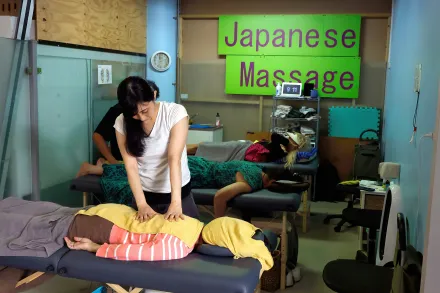
Stress is not a vague mood but a physiological state produced by the interplay of the nervous system, the endocrine system, and the immune system. When a person perceives a threat or anticipates a challenge, the brain initiates a cascade that mobilizes energy and attention. The sympathetic branch of the autonomic nervous system becomes more active, releasing adrenaline and noradrenaline, while the hypothalamus activates the hypothalamic-pituitary-adrenal axis to release cortisol. This sequence prepares the body for rapid action, increasing hear...