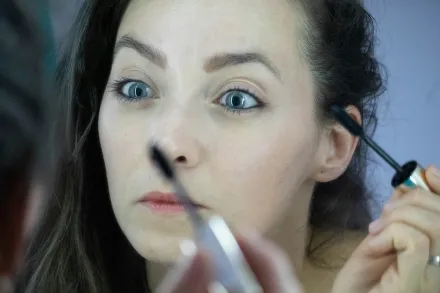
The world of makeup is a delicate balance between artistry and practicality, where intention meets technique, and where small missteps can derail even the best intentions. This article explores a broad set of common mistakes that people make when they apply makeup, and it offers thoughtful guidance on how to avoid them or recover gracefully when a misstep has already occurred. Rather than presenting rigid rules, this discussion invites a curious approach to cosmetics, one that emphasizes skin health, appropriate product choices, and mindful application. By understanding why certain habits fail, you can cultivate a routine that enhances your natural features, respects your skin, and adapts to different lighting, occasions, and personal preferences.
In this exploration, the goal is not to create a flawless mask but to foster a flexible, resilient approach to makeup that grows with experience. You will discover that many so‑called mistakes stem from a mismatch between product properties and personal skin needs, from applying too much product, from a lack of blending, or from not considering the context in which makeup will live. As you read, you will encounter practical strategies for prevention, quick fixes for when things go off the rails, and an emphasis on skin prep, color theory, and the responsible use of tools. The result is a guide that respects individuality, improves longevity, and helps you achieve a look that feels cohesive, comfortable, and true to your own style.
A core idea to carry forward is that makeup should serve as an extension of self-expression rather than a test of endurance. When done thoughtfully, makeup can even become a ritual of care, turning routine into a moment of self‑awareness, adjustment, and creativity. With that spirit, let us begin to identify and examine the most frequent missteps that people encounter on the road to a polished finish, and then move toward a more deliberate, refined practice that honors your skin, your undertones, and the way you want to present yourself in daily life or on special occasions.
Foundations and skin prep: the base of everything
One of the most consequential mistakes in makeup arises at the earliest stage, when the skin is prepared for foundation. Skipping a proper skincare routine before makeup can set a foundation up for failure. If the skin is dry, flaky, or irregular, foundation will cling to dry patches, highlight fine lines, and create an uneven surface that undermines the smooth, flawless appearance pursued in many looks. Conversely, overloading the skin with heavy creams, oils, or luminous primers on already slick skin can create a slippery base that causes makeup to slide, especially in warm weather or during long wear. The best approach is a calm, balanced skin prep that respects your skin type, followed by a well‑chosen primer if you use one, but never a primer blindly applied without considering the specific finish you want for the day.
Moisturizing is essential for most skin types, particularly when foundation is intended to glide onto the surface rather than settle into rough texture. The key is to allow time for absorption and to choose a product that supports your skin’s moisture barrier without excessive sheen. For those with combination or oily skin, a lightweight, non‑comedogenic moisturizer can create a smooth, even canvas without making the T‑zone greasy. For dry or mature skin, a richer moisturizer or a hydrating serum can help the foundation sit more evenly while preserving a healthy glow. In addition to moisture, the use of sunscreen is critical for daytime looks. Shielding the skin from UV damage protects not only health but also prevents uneven coloration that can be exacerbated once makeup is applied. When choosing a primer, look for formulations that address your specific concerns, whether that is pore visibility, texture, redness, or brightness. A primer should support the intended finish of the foundation, not mask it or create a separate barrier that impedes blending. The right combination of skincare and primer is like laying a foundation that makes the makeup that follows behave consistently, rather than fighting against skin behavior or climate conditions.
Foundation shade matching is another crucial element of this base stage, and it often gets overlooked in favor of quick application. A common mistake is to test foundation on the jawline or cheek while lighting in a store or bathroom can be misleading. The most reliable approach is to test in natural light where possible, or to swatch along the jawline and blend down the neck to ensure the shade disappears into the skin without a noticeable line. Undertones also matter: a foundation with a yellow or pink bias that clashes with your natural undertone can appear ashy or overly warm in certain lighting. It can be tempting to choose a shade that looks correct under indoor lighting, only to discover that it reads wrong in daylight; a subtle difference can be the difference between a seamless match and a stark mismatch. For many people, a shade that feels slightly lighter and then warmed with bronzer or powder reads more natural than a perfect match that ends up too flat or too pale in real life. When you apply foundation, use a light hand and build gradually, blending outward from the center of the face to avoid a heavy edge along the jawline. Tools also matter: a damp beauty sponge can meld foundations into skin with a softer edge, while a dense brush can lighten the coverage and emphasize texture if used aggressively. The goal is to achieve a finish that feels like a seamless extension of your skin rather than a layer sitting on top of it.
Foundation texture and blending: the illusion of real skin
The texture of foundation is often misunderstood as only about coverage level. In truth, the blendability and finish determine how close the product comes to mimicking natural skin. A common error is choosing a foundation with a finish that does not align with the skin’s natural texture or the desired look for the day. For example, a super matte formula on very dry skin can appear masklike or emphasize flakiness, while a dewy liquid on very oily skin can cause the face to gleam and split in harsh light. The art lies in selecting a formula that harmonizes with your skin type and climate, and in applying it with a technique that preserves translucency where the skin is naturally more porous or uneven. Layering multiple thin applications yields a more realistic result than a single thick sweep, and building coverage gradually reduces the risk of caking or patchiness. A careful approach to blending, with attention paid to the jawline and the perimeter of the face, helps avoid visible edge lines and ensures the foundation meets the neck evenly. It is also essential to consider texture when planning a look: for textured skin, a satin or luminous finish can soften irregularities and provide a more natural, healthy glow, while for smoother skin, a slightly more satin finish can heighten the perception of even tone without appearing flat. Each choice should be aligned not only with skin type but also with lighting and the environment in which the makeup will be worn, whether it is a bright daytime setting or a dim evening venue.
Another frequent misstep occurs when people neglect the foundation's compatibility with concealer, bronzer, and powder. Each product interacts with the base layer differently, and if you apply a powder that is too drying over a creamy base, you may reveal line texture or exaggerate fine lines. A practical strategy is to allow the foundation to settle briefly, then assess whether additional correcting products are needed before moving on to powder. If you use a cream concealer, ensure that it blends with the foundation rather than resisting it; you may need to slightly reblend with the same tool to ensure a cohesive surface. If you anticipate challenging areas such as the under‑eye region, where fine lines tend to appear, choose products that offer comfortable crease resistance and a slightly hydrating base to keep the area looking awake rather than shriveled or creased. Taking a moment to observe the finished base under various light conditions can reveal subtle issues that were not obvious in the original application, and it provides an opportunity to make adjustments before moving to the rest of the makeup. The foundation, when chosen and applied with care, acts as a natural skin tone that can carry the entire look forward with confidence and ease.
Concealer and coverage: balance and correct tone
Concealer, when used correctly, can brighten the under‑eye area and correct shadows or discoloration with a light, breathable layer. However, concealer mistakes can easily undermine a makeup look. One of the most common missteps is applying too much product in the under‑eye area or on any area that already has a heavy foundation. Excess concealer can settle into lines, creating a masky or hollow appearance, particularly when the skin is introduced to lighting that highlights texture. The right approach is to apply a modest amount with a calm hand, then blend with a damp sponge or a brush that has a soft edge, using tapping motions rather than aggressive stroking. If redness or broken capillaries need correction, choose a color corrector that addresses the hue directly and apply only where needed, then blend into the surrounding skin so that the correction reads as natural rather than obvious. It is important to test concealer in natural light after application, ensuring that it brightens the area without forming a distinct ring around the coverage or becoming gray in certain lights. The aim is a seamless transition between concealer and foundation, so the skin appears even and illuminated rather than patched with different tones. When concealer is used on blemishes or imperfections, a small amount layered with the same texture of foundation often creates a more cohesive finish than a completely separate application of opaque product. The result should be a skin tone that is balanced, with no one area drawing attention as a focal point away from the eyes or lips, and with a natural glow that reads well both in person and in photos.
Powder and setting: locking the look in place
Powder is a powerful tool for controlling shine and delivering a finished look, but it is easy to overdo it or misuse it. A heavy or indiscriminate powder application can erase the very dimension that the makeup relied upon to appear alive. The mistake often lies in using a powder with a heavy texture or applying it with a large, fluffy brush in a way that leaves a uniform matte film across the entire face. To avoid this, consider using powder selectively on areas that tend to become shiny or where makeup has more chance of breaking down, such as the T‑zone or under the eyes after concealer. For dry or mature skin, powder should be employed sparingly, focusing on preventing shine rather than creating a completely flat finish. A translucent powder is a versatile option because it allows the foundation’s tone to remain consistent while providing a soft veil that reduces reflectivity and helps keep texture under control. When the goal is a natural radiance, a minimal dusting of powder in the center of the face can help the makeup read as cohesive without deadening the skin’s life, particularly in photos or on video where lighting can exaggerate shine. The technique can also be adapted to the chosen foundation finish; a luminous base may require less powder to avoid flattening the skin’s natural glow, while a matte base may benefit from a gentler touch to prevent the surface from appearing dull or lifeless. The act of setting is, in essence, a negotiation between longevity and flexibility, ensuring that the face remains comfortable and expressive throughout the day or night while maintaining the intended look.
Beyond the powder itself, the choice of setting spray or finishing product can dramatically influence the final appearance. A setting spray that feels heavy or sticky can make makeup look crusty, while a very light mist might fail to hold the look in high humidity or long days of wear. The best practice is to test finishing products in conditions similar to where the makeup will be worn, ensuring that the spray provides a balanced hold without altering color or texture. A light mist that dries to a comfortable finish can extend wear without sacrificing dimensionality. The relationship between powder and setting spray is not merely technical; it is also about comfort and confidence. When the makeup feels solid and secure but still moves with your features, you will perceive it as a natural enhancement rather than a mask. This nuanced balance is what distinguishes high‑quality makeup from a rushed or careless application, and it underlines the importance of deliberate choices at this stage of the routine.
Blush, bronzer, and highlighter: color placement and harmony
Color plays a critical role in shaping the perception of cheeks, skin, and facial structure. A common mistake in the area of color is to apply blush or bronzer in a way that seems cartoonish, muddy, or overly warm, especially when the rest of the face is neutral or cooler in tone. The goal is to create a gentle transition from the cheeks outward, blending blush up toward the temple and slightly into the hairline to mimic the way natural flush appears on the skin. If the blush is too concentrated, the face can read as artificially youthful or off balance; if it is too sheer, it may be invisible in certain lighting. Carving with bronzer should be subtle, opening up the face with a natural contour rather than creating harsh lines that look drawn on. A light hand and patience to blend are essential; it is often better to start with a small amount of product and build as needed rather than layering aggressively from the outset. Highlighter can add luminosity, but it must be chosen to reflect the skin’s natural undertones and the goal of the look. In the wrong color or intensity, highlighter can appear metallic or chalky, drawing attention to areas that should recede. The right combination requires experimenting with tones that harmonize with the skin’s base shade and the chosen foundation, ensuring that the glow reads as healthy and natural rather than artificial or overdone. When color decisions are coherent, the outcome is a face that appears vibrant, dimensional, and lit from within, rather than a collection of separate pigment blocks resting on the skin.
Another frequent error occurs when blush, bronzer, and highlighter are used without considering the overall balance of warmth and coolness on the face. If the skin undertone is cool, overly warm bronzers can look discordant, and a cool blush may be a better choice to maintain harmony. Conversely, if the skin has neutral warmth, a balanced mix of peachy blush, soft bronze, and gentle champagne highlighter can create a cohesive, sun‑kissed effect. The interplay between these products should feel like a conversation among colors rather than a collection of independent accents. A well‑balanced palette can be achieved by gradually layering these products, testing the look under different lighting, and stepping back to view the overall face rather than focusing exclusively on one area. The result is a more integrated, natural, and approachable finish that can adapt to intimate daytime environments or festive nightlife without looking forced or uneven.
Eyelids and eye makeup: prevent lines, fallout, and stiffness
Eyes are often the most expressive feature, and eye makeup can either enhance or distract from that expressiveness. A frequent mistake is overloading the eyelids with too much product without considering the lid’s movement and the crease. When a dense amount of pigment is placed on the lid, it can crease, smear, or break apart throughout the day, particularly with oily lids or in warm conditions. The solution is to use lighter layers, proper blending, and appropriate eyeshadow textures. Matte shades are forgiving and easy to blend, while shimmer and metallics can add drama if used sparingly and strategically in the center of the lid or on the inner corner for brightness. Poor blending can also create hard edges that look unnatural, especially when resting the brush in a single spot and dragging it across the lid. A deliberate, slow blending motion helps soften transitions and creates a more realistic depth. Additionally, fallout is a common nuisance with powder shadows. To minimize fallout, apply eye makeup before base makeup or use a tacky eyeshadow primer that keeps the pigment in place. For people with hooded or deep-set eyes, the placement of darker shades should be slightly above the crease to ensure visibility when the eyes are open, and liner should be applied with careful precision to preserve the eye shape and prevent smearing. Mascara misuse is another widespread fault; clumping can occur when too much product is loaded onto the wand or when lashes are not combed through after application. The key is to apply a thin, even coat and to separate lashes with a clean spoolie, which helps maintain a graceful, open appearance rather than a heavy, spidery effect. Eyeliner, when used, should be applied with a steady hand and natural pressure, and it is often wiser to choose a pencil or gel formula that remains flexible rather than a pure liquid that can crack during wear. The overarching aim is a cohesive arrangement of shadows, liners, and lashes that frames the eyes without overpowering their natural shape or texture.
Lips: shaping, longevity, and line control
Lip makeup is another area where poorly chosen products or techniques can sabotage an entire look. A typical error is using a lipstick that bleeds or feather into fine lines around the mouth, especially if the lip line is not defined with a liner that matches the shade or undertone. The use of a lip liner can help define the shape, prevent feathering, and create a more durable base for the lipstick. The color of the liner should be close to the lipstick shade or a shade that anchors the lip line in a natural way. Lip products can also contribute to dryness if they lack emollients or if the individual has dehydrated lips. In such cases, preparing the lips with a gentle scrub and a hydrating balm can improve lipstick wear and comfort. Matte finishes require careful attention to lip texture and the avoidance of exaggeration that can lead to an overly flat appearance. Cream or satin finishes provide more forgiveness for texture and can help the lips appear fuller and more moisturized, particularly in dry weather or indoor environments with dry air. The overall effect should be a well‑defined lip line that remains crisp as the day goes on, with color that complements the rest of the face and does not overpower natural features. A thoughtful approach to lip texture, shade, and finish yields a look that is balanced, comfortable, and long lasting, rather than a hurried, patchy application that requires constant touch‑ups.
Hygiene and tools: clean brushes, safe practices
A practical but sometimes neglected area of makeup practice is the hygiene of tools and the cleanliness of products. Using dirty brushes or applicators can transfer oils, bacteria, and residues from old makeup into fresh application, which may provoke breakouts or irritation. Establishing a routine to clean brushes regularly, ideally weekly for frequently used brushes, reduces the risk of skin issues and improves the performance of the products themselves. Cleaning schedules can be adapted to your routine and the frequency with which you apply makeup; some people may need to cleanse their tools more often during hot weather or in humid environments. In addition to brush hygiene, the practice of dipping brushes into product multiple times during a session can lead to contamination and inconsistent color payoff. A better habit is to pour or dispense product onto a clean palette or cap, use a single clean tool to pick up pigment, and avoid multiple re‑dippings. This approach minimizes contamination and helps preserve the integrity of the product, which is especially important for cream products that can harbor bacteria if left exposed for long periods. Storage matters as well; keep products closed tightly when not in use to prevent drying out or contamination from air and to minimize the risk of accidental contact with skin or eyes. Overall, good hygiene is not merely a precaution but a foundation for reliable, repeatable results across different looks, skin types, and environmental conditions. A disciplined routine in this area supports the health of the skin while elevating the precision and quality of makeup application.
Color harmony and undertones: matching skin and makeup)
Color harmony is an essential but sometimes subtle aspect of makeup that can easily be overlooked. A mismatch between skin undertones and the makeup palette can lead to looks that feel discordant or artificial. Undertones guide everything from foundation to blush to lip color. If you have cool undertones, choosing shades with blue, pink, or rosy leanings can enhance the complexion and avoid looking washed out. For warm undertones, peach, golden, and bronze notes can create a sunlit glow that feels natural. Neutral undertones offer flexibility and can carry a broader range of shades, but even then, the key is to test shades in daylight and observe how they interact with the skin’s base color. When constructing a cohesive look, it is helpful to consider not only individual product colors but also their collective effect under different lighting conditions. A unified color story can give a sense of unity to the face, whereas a patchwork of different tones might draw attention to the layering rather than to the features themselves. The goal is a look that feels intentional and integrated, with each product supporting the others rather than competing for attention. Experimenting with different combinations in a controlled setting helps you understand which undertone families suit you best and which shades can be trusted to work across different outfits or occasions. The result is a makeup vocabulary that speaks clearly and harmoniously with your unique complexion and style, rather than an arbitrary collection of trending hues that may disappoint in real life or in photographs.
Adaptation for skin types and age: suits for every stage
Skin type and age influence how makeup behaves and how products are perceived. Oily skin tends to break down products faster, leading to shininess and a less predictable finish, while dry or mature skin can show texture and emphasize fine lines. The best practice is to tailor foundation weight, concealer texture, and the finish of powders to the individual’s skin condition. Those with dry skin often benefit from hydrating primers, creamy formulas, and light dustings of powder to avoid a crusty or cakey look. People with oily skin might gravitate toward long‑wear, matte formulations and a strategic amount of powder to maintain control of shine without sacrificing skin texture. Mature skin benefits from lighter textures that glide over fine lines without pooling in creases; cream products can be more forgiving than powders in these scenarios, but they still require careful blending to maintain a natural appearance. The idea of aging gracefully with makeup emphasizes choosing products with skin‑friendly ingredients and avoiding heavy, drying formulas that can settle into lines or make the face appear smaller than it is. A thoughtful approach considers both the physical characteristics of the skin and the emotional intent of the look, enabling makeup to complement rather than mask the person beneath. By aligning product choices with skin type and age, the makeup becomes a friend that supports the face’s natural evolution rather than a rigid overlay that refuses to adapt.
Eyes and lips in motion: lighting, photography, and duration
When makeup is designed for different environments, including photography, video, or live lighting, additional considerations come into play. A look that works beautifully in natural light can appear flat or overbearing when photographed under studio lights, and vice versa. The tendency to overpack color to compensate for dim light can create a heavy finish in person, while too little product in bright light can appear washed out in images. A practical approach is to assess makeup under varying lighting conditions during application, making subtle adjustments to ensure the color balance remains natural yet expressive in each scenario. Photographic considerations may favor slightly more lift in the eyes or a touch more contrast in the lips to prevent features from washing out in the lens, but the adjustments should be proportional and deliberate. For long events, makeup longevity becomes a priority; in such cases, choosing products with robust wear characteristics, sealing with an appropriate setting product, and carrying a compact touch‑up kit can help maintain a consistent look without requiring excessive maintenance. The underlying philosophy is to create makeup that remains faithful to the intended design across different audiences, whether the viewer is a friend, a boss, or an audience at a formal event. The art is in predicting how the face will translate through light and time and in adjusting with confidence rather than panicking when something shifts during the day.
Travel and on‑the‑go considerations: durability and practicality
Travel adds a layer of complexity to makeup application, with changing climates, limited light, and variable access to tools and products. A common mistake is overpacking a large kit of products, which can lead to confusion, breakage, and unplanned repackings that dilute the care and thought invested in a routine. A better strategy is to curate a streamlined collection that contains only the essentials for the person’s typical needs, along with a small, organized set of tools that can address most common scenarios. Durability is crucial when traveling; choosing waterproof or long‑wear options for critical items like foundation, mascara, and eyeliner helps protect the look against heat, humidity, or rain. A portable mirror and a compact brush set can save time and frustration, ensuring that adjustments are possible anywhere without sacrificing the integrity of the application. Practical considerations also include carrying blotting papers, a hydrating mist, and a gentle remover for quick refreshes without harsh scrubbing, which can irritate the skin. The intention is to maintain the look with minimal fuss while preserving comfort and skin health, so the makeup can accompany you through different moments of travel with confidence rather than becoming a source of stress. The aim is a refined, flexible approach that honors your style while accommodating the practical realities of life on the move.
Removal and nighttime routines: ending well
The final stage of any makeup routine, removal, is in many ways as important as the application itself. Poor removal practices can leave residue on the skin, contribute to clogged pores, and disturb the skin's natural recovery processes overnight. A thoughtful removing routine begins with a gentle cleansing method that respects the skin’s barrier. For many, a double‑cleansing approach is ideal: an initial step to dissolve makeup and sebum with a suitable makeup remover or cleansing oil, followed by a water‑based cleanser to clear away remaining residues and to refresh the surface. It is important to avoid harsh scrubbing, which can strip natural oils and irritate the skin, and instead focus on controlled, thorough cleansing using hands or soft cloths with light pressure. After cleansing, a light toning step can help restore the skin’s pH balance and prepare it for nighttime skincare. Hydration after cleansing is essential; a soothing serum or moisturizer can seal in moisture and support the skin’s repair processes as you sleep. Paying attention to eye makeup removal is equally important, using a gentle approach that avoids rubbing the delicate eye area. A calm, consistent routine for removing makeup supports skin resilience, reduces the risk of irritation, and ensures that the face wakes up ready for the next day’s look. The practice of removing makeup with care is not simply about cosmetic upkeep; it is an act of respect toward the skin that sustains the face’s health, radiance, and ability to carry makeup gracefully again in the future.