Understanding Damaged Hair: Causes and Signs
Damaged hair often reveals itself through a combination of dryness, stiffness, and breakage that feels coarse to the touch. When the protective outer layer, the cuticle, becomes raised or cracked, light reflects unevenly and the hair appears dull and frayed at the ends. The signs can vary from person to person, but a frequent pattern is increased shedding during brushing, a tendency to tangle easily, and a lack of elasticity that makes strands snap rather than bend when you try to stretch them. The root causes span several pathways including excessive heat, chemical processing, aggressive brushing, sun exposure, and even the water you wash with. Each factor may affect the hair’s inner matrix and the surface in distinct ways, creating a cumulative effect that makes hair seem lifeless or brittle. Understanding these signs helps you tailor a repair strategy that respects your hair’s current state and moves gradually toward healthier texture and better resilience.
Alongside visible texture changes, you might notice changes in porosity, where hair increasingly absorbs water quickly but fails to retain moisture. Porosity often reflects the structural integrity of the cuticle layers, and when these layers lift or crack, moisture escapes more readily and proteins within the hair can become unevenly distributed. This shifts how products work on your hair, making some ingredients less effective and others more beneficial. Recognizing the root cause requires a thoughtful look at your styling routine, the tools you use, the frequency of chemical treatments, and even the climate you live in. The goal is not to punish the hair but to respect its limitations while gradually rebuilding strength, elasticity, and shine.
The Science Behind Repair: What Treatments Can and Cannot Do
Hair is not living tissue able to repair itself in the same way as skin, but it can be coaxed back toward a healthier state by supporting the cuticle and the underlying cortex. Protein-rich treatments help reinforce the fragile interior when the cuticle has sustained damage, much like a bridge temporarily braced to prevent further collapse. Moisture-based therapies, on the other hand, coat and hydrate the surface, reducing friction and easing styling. A balanced approach often involves combining light proteins with moisturizers so that the strands gain both strength and flexibility. Overuse of heavy proteins can lead to stiffness and a brittle texture, so the timing and frequency of these treatments matter as much as the products themselves. The repair process is gradual, spanning weeks to several months, depending on the level of damage and the consistency of your regimen.
Defensive measures such as heat protection and careful cleansing help preserve the gains you achieve with conditioning and treatments. Excessive cleansing or harsh detergents can strip away natural oils that are essential for sealing the cuticle, especially when the hair is porous. Conversely, a gentle cleansing ritual that respects the hair’s sensitivity lays a foundation for more effective conditioning. Light sealing ingredients such as fatty acids, ceramides, and certain oils create a protective barrier that reduces moisture loss and shields the cuticle from rough handling. In this framework, the repair is not about one miracle product but about a sustainable routine that keeps the hair within a healthier equilibrium and gradually reduces damage accumulation over time.
Building a Gentle Cleansing Routine for Damaged Hair
Gentle cleansing begins with choosing a sulfate-free or mild cleansing agent that respects the hair’s weakened state. Too aggressive a shampoo can strip essential oils and swell the cuticle, amplifying frizz and tangling. When you wash, use lukewarm water rather than hot, as hot temperatures can further dry the cortex and intensify breakage during manipulation. Massage the scalp with your fingertips rather than scrubbing aggressively, allowing the shampoo to rinse down the lengths instead of forcing products deeper into the hair strands. The goal is to remove dirt and product buildup without stripping protective oils that hair relies on to stay pliable and resilient. In this approach, the scalp receives proper cleansing while the shaft retains moisture, enabling the cuticle to settle back toward a smoother position after washing.
Another component of a gentle routine is frequency. Damaged hair often benefits from longer intervals between washes to preserve natural oils, but you should adapt to your scalp’s needs. If your scalp becomes dry or itchy, you can adjust by using less aggressive products or incorporating a soothing rinse with cool or tepid water to close the cuticle after cleansing. When it is time to condition, rinse with cool water briefly to help seal the cuticle and lock in moisture. The process of mild cleansing and careful rinsing creates a stable environment for repair products to work more effectively, reducing the cycle of dryness and overcompensation that can worsen the texture of damaged hair.
Choosing the Right Conditioner for Repair
Conditioner is a foundational ally in repair work because it provides moisture, detangles, and helps smooth the cuticle. Look for formulas that emphasize hydration without heavy buildup and that include humectants to draw water into the strand while locking it in with occlusive agents. Ingredients such as glycerin in moderate amounts, natural oils, and lightweight silicones can help seal the cuticle and reduce friction during combing. A good conditioner should also restore some of the hair’s natural lipid balance, enabling the strands to hold onto moisture longer. When you apply conditioner, focus on mid-lengths to ends, where damage tends to be most pronounced, and avoid leaving it on the scalp for extended periods unless the product is specifically designed for scalp use. For damaged hair, a routine that alternates lighter daily conditioners with a more intensive, weekly deep conditioner often yields a steady improvement in smoothness and manageability.
To maximize effectiveness, consider conditioners that include proteins in modest amounts, such as hydrolyzed keratin or silk, balanced with moisture-rich components. This pairing helps rebuild strength without sacrificing flexibility. If your hair feels heavy or waxy after conditioning, you may be using too much product or selecting a formula that is too rich for your hair type. A light rinse after applying conditioner can prevent buildup while still delivering the benefits of conditioning. The overarching principle is to deliver consistent moisture while maintaining an open, responsive cuticle that can absorb nutrients from subsequent treatments and seal them in for longer periods.
Deep Conditioning and Weekly Treatments
Deep conditioning provides a more concentrated dose of moisture and nutrients to damaged hair. Weekly or biweekly sessions with a deep conditioning mask can transform texture by restoring flexibility, reducing breakage, and improving shine. When selecting a mask, seek products that emphasize both hydration and barrier repair, such as formulas containing amino acids, plant oils, and ceramides. You can apply a deep conditioner after washing or as a substitute for your regular conditioner on days when your hair feels particularly parched. To maximize penetration, cover your hair with a plastic cap and apply gentle heat for a few minutes, if your routine allows, which helps the ingredients permeate the surface and reach the cortex more effectively.
Durability comes from consistency rather than intensity. If you overuse masks or apply them too frequently, you risk oversaturating the hair and creating a heavy feel or buildup. Instead, align the frequency with the level of damage and your hair’s response to treatment. After a deep conditioning session, rinse thoroughly and follow with a light leave-in or serum to maintain moisture without weighing the hair down. The aim is to keep the hair’s cuticle smooth, reinforce the internal structure with protein where appropriate, and avoid creating a barrier that prevents future treatments from reaching the hair shaft. A steady rhythm of cleansing, conditioning, and occasional deep treatments is much more effective than sporadic, intense sessions.
Balancing Protein and Moisture
Damage often signals a need to balance protein reinforcement with ongoing moisture support. Protein works like a scaffold for hair that has lost its internal structure, while moisture supplies the softness and elasticity that prevent brittle snap. The equilibrium between these two elements depends on your hair’s porosity, texture, and how aggressively it has been treated. Fine hair with high porosity may require smaller amounts of protein and more consistent hydration, whereas thick, low porosity hair might tolerate periodic stronger protein boosts followed by a thorough moisture reintegration. Paying attention to how your hair responds after a protein treatment is crucial; if you notice stiffness or a waxy feeling, your regimen likely needs less protein and more moisture for a period of time.
Seasonal changes and lifestyle factors can shift this balance. In dry climates or during heating seasons, your hair may crave additional moisture even if you have previously relied on proteins. In more humid conditions or after chemical processing, your hair might benefit from lighter protein maintenance with a stronger emphasis on humectants and sealers. The main idea is to observe, adapt, and maintain a routine that lets your hair drink water when it needs it while still benefiting from the structural support that proteins provide. With patience and careful adjustments, you can guide hair from a fragile, damaged state toward a resilient, supple one.
Oils, Serums, and Leave-In Treatments
Oil-based products create a protective shell around the hair shaft, which helps minimize moisture loss and reduces friction during brushing. They are especially useful on the mid lengths and ends, where dryness tends to accumulate. Choose lightweight oils such as argan, jojoba, or marula for daily use, and reserve heavier formulas for very dry or coarse strands. Leave-in serums can provide an extra layer of friction reduction, while adding a touch of shine and smoothness. The key is to apply only a small amount to avoid weighing the hair down, particularly if your hair tends toward the fine side.
Balanced serums often contain a blend of conditioning polymers, conditioning esters, and natural extracts that work together to smooth the surface and fill in micro-gaps in the cuticle. For damaged hair, it is beneficial to select products that feature ceramides, lipids, and natural oils alongside modest conditioning agents. When used properly, these products help seal the cuticle after washing, protect against mechanical damage during styling, and improve the long-term integrity of the hair. Always test new products in a small area to ensure compatibility with your hair texture and scalp sensitivity, and monitor how your hair responds over several days before expanding use.
Heat and Styling: Minimizing Damage
Heat is a major contributor to the progression of hair damage, especially when it is applied aggressively or without protection. If you rely on blow-drying or hot styling tools, choose settings that deliver gentler heat and use a dedicated heat protectant to form a barrier between your hair and the tool. Allow hair to air-dry partially before using heat to reduce the duration and intensity of exposure. When you need to style, use the lowest effective temperature and keep the tool moving to prevent concentrated heat on a single hair fiber. This approach reduces the risk of singeing the cuticle and helps preserve the every-day moisture and protein balance that supports repair over time.
Training your hand to use heat with purpose is essential. Instead of forcing a style that demands high heat, explore low-heat alternatives such as air-drying, braiding to create waves, or using soft rollers that distribute heat more evenly. If you must rely on hot tools, consider features that protect against heat damage, such as built-in sensors or adjustable heat ranges. Over weeks of consistent protective practices, you will often notice less dullness, fewer tangles, and improved manageability as your hair regains some of its original resilience. The result is hair that responds more readily to conditioning and protein treatments because the cuticle remains smoother and more receptive to nutrients.
Brushing and Detangling Techniques
Detangling damaged hair requires patience and the right method to minimize breakage. Start by applying a generous amount of conditioner or a dedicated detangling product to damp hair, which helps reduce friction. Use a wide-tooth comb or your fingers to gently work from the ends upward, pausing if you encounter resistance to avoid tugging. Avoid stiff brush bristles or aggressive pulling that can snap weakened strands. When you must detangle dry hair, do so with extreme care and ideally with a brush designed for textured or fragile hair, again proceeding in small sections to control tension. The aim is to preserve length by reducing breakage while gradually restoring the hair’s integrity with conditioning and moisture strategies.
Additionally, consider the role of scalp health in overall hair repair. A balanced scalp environment supports healthy follicle function and encourages natural oil production that benefits the lengths. A light, non-irritating scalp massage during cleansing can boost circulation and deliver nutrients to the follicle area without overstimulation. By treating the scalp with care, you establish a foundation for stronger hair growth and better response to repair treatments. Gentle handling at every stage—from washing to detangling—becomes an essential habit in a long-term maintenance plan for damaged hair.
Protecting Color-Treated and Chemically Altered Hair
Color-treated or chemically altered hair often becomes more prone to dryness and fade if not cared for with a specialized approach. Ammonia-free or lower-impact color services can help minimize further stress on the shaft, but consistent care remains crucial. Use color-safe shampoos and conditioners that preserve pigment while delivering moisture and protection to the cuticle. When selecting products, look for antioxidant-rich formulations that help shield the hair from environmental stressors and keep color molecules bound to the cortex for longer periods. A weekly regimen that includes a color-safe deep conditioner can sustain vibrancy and prevent the dulling effects of repeated chemical processing.
In addition to moisture, invest in UV protection for colored hair. Sun exposure can degrade color and weaken the structural integrity of the cuticle. Hats or UV-filtering sprays can mitigate this damage while maintaining the hair’s texture and shine. When you plan chemical services, ensure the stylist uses protective conditioning agents during processing and conducts a thorough post-treatment conditioning routine to seal in moisture. By combining careful chemical management with thoughtful conditioning, you can maintain healthier, more resilient hair that continues to respond well to care products designed for damaged hair.
Night Care and Protective Measures
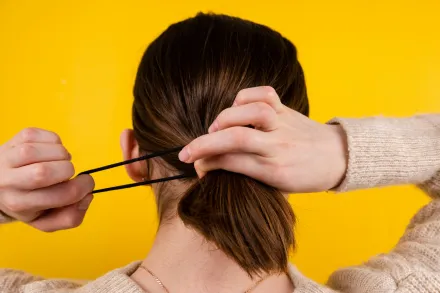
Nighttime routines play a surprising role in hair repair by reducing friction and preventing moisture loss while you sleep. Silk or satin pillowcases minimize friction between the strands and the fabric, reducing tangling and breakage compared with cotton. If you can, loosely tie or pin your hair to prevent it from pressing against a rough surface, which can cause additional wear. A light application of a sleep-friendly leave-in conditioner or a small amount of oil or serum to the mid lengths and ends can help maintain moisture overnight without creating an oily residue that rubs onto the pillow and rubs off onto the bedding.
In cooler months, a lightweight wrap or bonnet can preserve moisture without compressing the hair. The goal is to maintain a stable moisture balance and limit the mechanical stress that occurs during tossing and turning. Over time, these small nightly habits contribute to less daytime frizz, reduced breakage, and a hair surface that looks smoother and feels softer when you wake up. Consider pairing night protection with a routine that emphasizes gentleness and gradual improvements rather than aggressive attempts to create immediate transformation.
Diet, Hydration, and Internal Support for Hair Health
Outer care alone cannot fully repair damaged hair; internal support matters as well. A balanced diet rich in protein, healthy fats, vitamins, and minerals contributes to the strength of the hair shaft and the resilience of the follicles. Specific nutrients such as biotin, zinc, iron, and essential fatty acids support the growth and integrity of hair, while antioxidants protect the scalp from oxidative stress that can accelerate damage. Hydration is equally important because water supports cellular processes that influence hair texture and elasticity. While supplements can be helpful in some cases, it is best to obtain nutrients from a varied diet and consult with a healthcare professional before starting any new regimen. The overarching message is that hair health reflects overall wellness, and a sustainable, well-rounded approach yields longer-lasting results than a focus on topical products alone.
Incorporating daily habits such as consuming green leafy vegetables, lean proteins, and healthy fats, while limiting excessive heat exposure and chemical processing, creates a synergy between internal nourishment and external care. Hydration supports the hair’s ability to hold moisture, and a consistent intake of nutrients helps maintain the strength necessary for the hair to respond favorably to conditioning and protein treatments. Although it may take time to see noticeable changes, a thoughtful, long-term lifestyle approach reinforces your hair’s natural resilience and complements the repair-focused routines you adopt in the bathroom.
Porosity, Texture, and Personalizing Your Routine
Understanding porosity is a practical way to tailor a repair plan to your unique hair. High porosity hair accepts moisture quickly but loses it just as fast, often due to a damaged cuticle. Low porosity hair resists moisture absorption but retains it longer, which means products may sit on the surface rather than penetrating. By determining your porosity, you can adjust the amount of conditioner, the frequency of masks, and the type of sealants you use. If you are uncertain, you can consult a professional or perform a simple at-home test to gauge how quickly water sits on your hair and how long it takes to absorb. Once you know your porosity, you can calibrate your routine to deliver moisture where it is most needed while avoiding excessive buildup that can weigh the hair down and dull its natural shine.
Texture also informs product choices. Fine hair benefits from lighter formulas with conditioning agents that smooth the surface without adding heaviness, while thick or coarse hair may require richer blends that provide lasting moisture and control frizz. Curly or wavy hair often needs extra emphasis on hydration and a strong sealing step to prevent frizz and maintain curl structure. In each case, the goal is to align your products and techniques with how your hair holds moisture, how it responds to proteins, and how it manages heat and styling. By personalizing care in this way, you create a repair plan that supports growth, improves texture, and preserves length as your hair regains strength and flexibility.
Professional Treatments vs Home Care: When to Seek Help
Professional treatments can provide a focused boost when home care reaches its limits. In-salon procedures such as bond-building therapies, formaldehyde-free smoothing treatments, and advanced protein reconstructions offer targeted interventions that may deliver noticeable improvements in a shorter timeframe. A trained stylist can assess porosity, scalp health, and overall damage to determine the most suitable approach and guide you toward a maintenance plan that extends the results of professional work. The home care routine remains essential for preserving and extending the benefits of in-salon services. Regular use of protein-enriched products, moisture-rich masks, and heat protection should be integrated into your daily regimen to reinforce the gains achieved in the salon and prevent a rapid return to a damaged state.
Even when you do seek professional help, the long-term strategy hinges on consistency and patience. Hair repair is a gradual process that unfolds over weeks and months, and the most sustainable outcomes come from a thoughtful blend of expert guidance and a reliable routine you can follow daily. By combining professional insights with a careful, individualized at-home plan, you set the stage for healthier hair that can withstand future environmental and styling challenges while maintaining its natural texture and vitality.
Common Mistakes to Avoid on the Path to Repair
Avoiding common missteps can accelerate progress and reduce the risk of backsliding. Over-washing is a frequent error, as it strips protective oils and robs the hair of essential moisture. Under-washing can lead to product buildup that weighs the hair down and dulls its appearance. Inconsistent conditioning or skipping deep treatments can hinder progress when the hair desperately needs hydration and restoration. Relying on heavy silicones or waxy polymers without balancing them with moisture can create a heavy-coated feel that obscures shine and softness. Inexperienced heat styling without proper protection often compounds damage, so denying heat use or embracing gentler approaches is a wise precaution. These missteps can slow or reverse improvements, underscoring the importance of a disciplined routine that respects the hair’s health and maintains a long-term perspective.
Another mistake is neglecting scalp care. A healthy scalp supports robust hair growth and better overall hair health, so include light scalp care in your routine without overloading the scalp with heavy products. Finally, neglecting sleep and stress management can impact hair health indirectly by influencing hormonal balance and recovery. A holistic approach that blends careful product choice, mindful styling, consistent routines, and attention to internal well-being forms a resilient foundation for repairing damaged hair. By avoiding these pitfalls, you keep the path toward healthier, more vibrant hair clear and achievable.
Creating a Long-Term Maintenance Plan
Developing a sustainable maintenance plan requires clarity about your goals, your hair’s current state, and your daily life. Start with a gentle cleansing schedule, a moisture-focused conditioner routine, and a balance between protein and hydration that suits your porosity and texture. Schedule weekly or biweekly deep conditioning sessions, and taper protein use to prevent stiffness while preserving elasticity. Integrate heat protection into every styling moment and explore low-heat or no-heat options when possible. Protect ends by following a sealing strategy that includes lightweight oils or serums and avoid friction-rich handling that promotes further damage. Over time, you will notice smoother textures, less breakage, and a more manageable hair surface that responds consistently to your care efforts.
Consistency is the backbone of a successful repair plan. Small, incremental improvements accumulate, and the cumulative effect becomes visible in hair that feels stronger, shines with a natural luster, and behaves with greater resilience during daily activities. Your maintenance plan should remain flexible, allowing for adjustments as seasons change, as your hair grows, and as new products or treatments enter your routine. Above all, patience and deliberate care lay the groundwork for lasting transformation, turning damaged hair into a healthier, more confident version of itself through steady, informed choices.