Overview of skin fungal infections and why antifungals matter
Fungal infections of the skin are among the most common health concerns encountered in daily life, touching people of all ages and backgrounds. These infections arise when microorganisms such as dermatophytes, yeasts, or non dermatophyte molds invade the superficial layers of the skin, keratinized tissues, and sometimes the nails. The typical presentation can range from red, scaly patches and itching to more subtle changes in texture and color, and in some cases the affected areas may become cracked or macerated due to prolonged moisture exposure. The body’s defenses, including intact skin, healthy immunity, and a balanced microbiome, usually keep these fungi in check, but when barriers are breached or environmental factors favor fungal growth, symptoms emerge. Understanding the biology of these organisms helps explain why antifungal medications are often necessary to halt growth, relieve symptoms, and prevent spread to other areas of the body or to other people. Early recognition and appropriate treatment reduce discomfort, shorten the course of infection, and help prevent relapse, especially in conditions that tend to recur, such as athlete’s foot or recurrent ringworm. This is particularly important because skin infections can worsen if left untreated or if treated inappropriately with products that do not address the underlying fungal activity. The decision to start an antifungal regimen is guided by clinical evaluation, sometimes supported by simple laboratory tests, to distinguish fungal infections from other skin disorders that may resemble them but require different management strategies.
How antifungal medications work on the skin
Antifungal drugs act by disrupting essential components of fungal cells, thereby stopping their growth or killing the organisms outright. A foundational strategy targets ergosterol, a key component of fungal cell membranes, with agents that inhibit its synthesis or assembly. This disruption compromises membrane integrity and leads to the leakage of cellular contents, ultimately inhibiting the organism’s ability to thrive. Different drug classes achieve this goal through distinct enzymatic pathways. Azoles, for example, block a fungal enzyme involved in making ergosterol, which tends to slow growth and reduce the fungi’s capacity to invade tissues. Allylamines act earlier in the membrane synthesis pathway, inhibiting an enzyme responsible for producing sterols in the fungal cell membrane, which can produce a fungicidal effect against certain dermatophytes. Polyenes bind directly to ergosterol and create pores in the fungal membrane, resulting in rapid fungal cell death. Beyond these membrane-targeting strategies, some drugs affect the fungal cell wall or other critical structures, but these approaches are more typical of systemic therapies and are less common in topical formulations. It is also worth noting that the pharmacodynamics can differ between dermatophytes, yeasts, and molds, so the choice of drug often reflects the organism most likely responsible for the infection, the location on the body, and whether the infection has spread to deeper layers or nails. In skin infections, topical agents tend to work locally with high concentrations at the site of disease, while systemic agents circulate through the bloodstream and can address widespread, nodular, or refractory infections that involve multiple areas of the body. The practical outcome is that antifungal medications are designed not only to eradicate visible symptoms but also to suppress the underlying fungal activity that perpetuates inflammation and itching.
Topical versus systemic antifungals for skin infections
When skin infections are limited to superficial layers and do not involve extensive areas, topical antifungals are often the first-line approach because they deliver high drug concentrations directly to the affected skin with relatively low systemic exposure. This local treatment can be highly effective for common conditions such as tinea pedis, tinea cruris, tinea corporis, and candidal intertrigo in healthy individuals. The advantages of topical therapy include ease of use, convenience, and a favorable safety profile, with most adverse effects limited to local irritation or contact dermatitis. In contrast, systemic antifungals are reserved for more extensive disease, involvement of hair or nails, infections in hard-to-treat sites, or in individuals with compromised immune systems where the infection might be more aggressive or less responsive to topical therapy alone. Systemic agents circulate through the body, reaching areas that topical preparations may not access adequately, but they come with a broader range of potential systemic side effects and drug interactions that require careful consideration, monitoring, and sometimes collaboration with a clinician. The decision to move from topical to systemic treatment hinges on the infection’s extent, location, duration, patient age, pregnancy status, and response to initial therapy. Adherence to prescribed duration is crucial for both routes to reduce relapse and to prevent resistant organisms from taking hold.
Common topical antifungals used on the skin: azoles and allylamines
Azoles and allylamines constitute the most common classes of topical antifungals used for skin infections. Azole antifungals, including agents such as clotrimazole, miconazole, econazole, and ketoconazole, act by inhibiting a fungal enzyme essential for converting sterol precursors into ergosterol, thereby disrupting membrane production. The result is slowed growth and clearance of the infection for many patients, particularly those with dermatophyte or yeast involvement. These agents are typically well tolerated but can provoke mild irritation, itching, or redness in some individuals, and less commonly may cause a contact dermatitis response that resembles a worsening infection. Allylamines, with terbinafine being the most widely used example, target an enzyme critical to early sterol synthesis, and in many dermatophyte infections they offer rapid antifungal activity and sustained relief of itching and scaling. Naftifine provides a similar mechanism and is another option in topical formulations. Both azoles and allylamines are frequently available in creams, gels, sprays, and solutions, giving clinicians and patients flexibility in selecting a preparation that suits affected skin folds, hair-bearing areas, or areas prone to moisture buildup. The choice between an azole and an allylamine may depend on the suspected organism, prior response to therapy, and local patterns of resistance or tolerance, as well as patient preferences and tolerability. In practice, a clinician may initiate treatment with one class and reassess after a typical course to determine whether the infection is resolving, especially if the patient has risk factors for recurrence or if the affected region includes sensitive areas such as the groin or face where irritation should be minimized.
Terbinafine and other allylamines: efficacy and safety
Terbinafine stands out as a highly effective topical agent against dermatophyte infections due to its fungicidal action in the skin and nails, which translates into rapid symptom relief and, in many cases, quicker clearance of visible lesions. Its activity extends to many common fungi that affect the skin, and it is generally well tolerated with a low incidence of serious adverse effects when used topically. Naftifine shares a similar mechanism and is effective in treating superficial fungal infections, though it may be less widely available in some regions. When applied to the skin, allylamines can cause localized irritation, burning, or a temporary stinging sensation, especially in inflamed or moist areas. The safety profile is favorable for most healthy people, but individuals with persistent skin sensitivity, eczema in the affected area, or a history of reactions to topical antifungals should seek medical advice before starting a regimen. Because terbinafine and related agents can interact with other medicines when used systemically, it is important to distinguish topical use from oral administration, which carries a higher potential for systemic effects and requires professional guidance.
Polyenes and their role in skin infections
Polyenes, which include nystatin as the most familiar topical option, are particularly effective against yeasts such as Candida species that colonize moist skin folds, moist intertriginous areas, and mucous membranes. Nystatin’s mechanism involves binding to ergosterol in fungal membranes to form pores that disrupt cellular integrity, leading to the death of the yeast cells. While polyenes are an important tool for candidal infections, their spectrum is more limited against dermatophytes, and thus they are not typically the first choice for tinea infections. In practice, clinicians select nystatin for candidal involvement, especially in areas where moisture and warmth predispose yeast overgrowth, and reserve polyenes for situations where yeasts predominate or where patients have a known intolerance to other topical agents. The topical form is generally well tolerated, with potential minor irritation or a mild rash at the application site, and systemic polyenes are reserved for specific, more severe situations under close medical supervision.
Griseofulvin and select systemic therapies
Griseofulvin is a classic systemic antifungal that has historically been used to treat tinea capitis and other extensive dermatophyte infections. It works by interfering with fungal cell division, which reduces the organism’s ability to proliferate within hair shafts and skin. In modern practice, griseofulvin is less commonly chosen as a first option due to long treatment courses, drug interactions, and the availability of more targeted antifungals with better tolerability. It also requires careful dosing and monitoring, as it can interact with certain foods and medications and may pose risks for liver function or photosensitivity in some patients. For skin infections that involve the scalp or hair-bearing areas, systemic therapies may still be necessary, but many clinicians prefer newer oral azoles or allylamines with clearer safety profiles and shorter treatment durations. It is essential for patients to discuss potential drug interactions and pregnancy considerations with a healthcare provider when systemic therapy is contemplated.
Resistance and prudent use of antifungals
Fungal resistance is a growing concern that can complicate treatment and prolong illness if antifungal drugs are overused or used improperly. Recurrent infections, incomplete courses, or the use of a suboptimal agent against a specific organism can enable fungi to adapt and survive, reducing the effectiveness of standard therapies over time. To minimize the risk of resistance, clinicians emphasize using an agent with proven activity against the likely organism, choosing an appropriate duration of therapy, and ensuring proper application techniques for topical products. Patients can help by completing the prescribed course even if symptoms improve quickly, avoiding the use of leftover medications in new infections, and seeking medical advice if there is no clear improvement after a reasonable period. In some cases, a change of class or a combination approach may be necessary to achieve successful clearance, particularly for stubborn infections, for nail involvement, or when immunologic factors complicate healing. This mindset of stewardship supports better long-term outcomes and reduces the chance that resistant organisms will spread to others.
Safety considerations and special populations
Safety considerations are central to choosing an antifungal strategy. In pregnancy, lactation, and early childhood, many topical agents are considered safer options, but some medications may be avoided or used with caution. In elderly patients or those with liver or kidney disease, systemic therapies require careful evaluation and sometimes monitoring of organ function. Interactions with other drugs are also important; many azoles can affect liver enzymes and interact with medications such as anticoagulants or certain statins, potentially altering drug levels and effects. Even topical medications can cause irritation or contact dermatitis, especially in sensitive skin or areas with existing inflammation. A clinician will weigh the benefits and risks, tailor treatment to the specific pathogen, and consider the patient’s overall health, other ongoing medications, and any known drug allergies.
Practical guidance for using antifungal creams and solutions on the skin
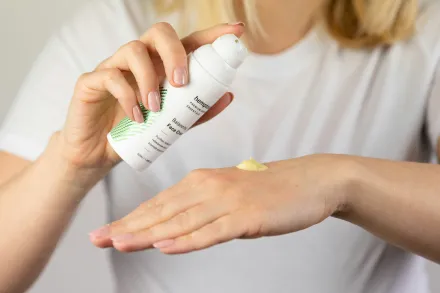
Effective use hinges on clean, dry skin and adherence to the prescribed regimen. Before applying an antifungal product, wash the area with a mild cleanser and dry thoroughly, gently patting rather than rubbing to avoid irritation. Use a thin, even layer to cover the affected region and, when advised, extend slightly beyond the visible margin to reduce the risk of unseen skin involvement. It is common to apply antifungals twice daily for several weeks, and even after symptoms have improved, continuing treatment for the full recommended course helps prevent relapse. Avoid applying products to broken or deeply irritated skin unless directed by a clinician. If the infection involves skin folds or groin areas, ensure thorough drying after bathing and consider using powders or barrier creams as advised by a healthcare professional to reduce moisture buildup, which can perpetuate fungal growth. While topical agents are generally safe, contact dermatitis may occur, and if burning, swelling, or worsening redness develops, a clinician should be consulted to reassess the treatment plan and consider alternatives.
Common side effects and when to seek medical attention
Most topical antifungals are well tolerated; the most frequent adverse effects are localized skin reactions such as itching, redness, burning, or a brief sensation of warmth at the application site. In rare cases, patients may experience more extensive dermatitis or an allergic reaction, which requires stopping the medication and seeking medical advice. Systemic antifungals carry a higher risk of systemic effects, including liver concerns, which makes monitoring essential when such agents are used. If a patient notices unusually dark urine, persistent fatigue, abdominal pain, or yellowing of the skin or eyes while taking an antifungal, prompt medical evaluation is warranted. It is also important to report any new symptoms that might indicate a drug interaction, especially in patients taking other medicines that influence liver enzymes or coagulation pathways. Throughout therapy, patients should monitor how the skin responds and communicate any lack of improvement, new spreading of lesions, or signs of secondary infection to a clinician for timely adjustments.
Monitoring and follow-up when treating skin infections
Follow-up care ensures that an antifungal regimen achieves the intended outcomes and helps prevent relapse. Clinicians commonly reassess progress after a defined interval, which may vary depending on the organism suspected, the infection site, and the patient’s response. Infections that fail to improve within a typical timeframe may require a change in therapy, further diagnostic testing to identify the exact species involved, or a shift to a systemic agent if localized topical therapy is insufficient. For stubborn infections involving nails, scalp, or extensive body surface areas, longer courses or combination strategies may be necessary. Patients who achieve symptom resolution should still complete the full course prescribed and monitor for signs of recurrence, which are more common in tropical climates or humid environments where fungi thrive. Regular follow-up helps ensure that healing continues and that any evolving concerns, such as resistance or superinfections, are addressed promptly.
Understanding potential drug interactions and avoiding misuse
Drug interactions are an important consideration with antifungals, particularly with systemic formulations that are metabolized through liver enzymes. Some azoles have the potential to alter the metabolism of other medications, which can lead to higher or lower levels of either drug and may influence safety or effectiveness. Grapefruit and certain other foods can affect the same metabolic pathways and should be discussed with a clinician if they play a daily role in a patient’s diet. Misuse of antifungals—such as using over-the-counter products for inappropriate conditions, stopping treatment early, or applying topical agents to large intact areas without medical advice—can reduce effectiveness and contribute to relapse or resistance. Adhering to professional guidance, selecting the right agent for the organism, and using the lowest effective dose for the shortest necessary duration are practical strategies that support successful outcomes and minimize risks.
Emerging therapies and future directions in skin antifungals
Ongoing research explores new topical formulations and delivery systems designed to improve tissue penetration, extend activity, minimize irritation, and reduce the development of resistance. Innovations aim to broaden the spectrum of activity, enhance patient adherence through once-daily dosing or long-acting preparations, and provide safer options for populations with special needs such as pregnant individuals, children, and those with autoimmune conditions. Novel agents are being evaluated for their ability to target fungal biofilms, a factor that can complicate recurrence and chronicity of infections. In parallel, a growing emphasis on stewardship and accurate diagnosis supports more precise prescribing, decreases unnecessary exposure, and helps preserve the effectiveness of existing medications for those who truly need them. While the day-to-day management of skin infections remains grounded in well-established antifungals, the field continues to evolve toward more effective, safer, and patient-centered solutions.