Starting with makeup can feel like entering a large library full of unfamiliar books, with shelves that smell of curiosity and possibility. For beginners, the most important thing is to approach makeup as a tool for expressing your true self, not as a test of perfection. The goal is to build a routine that feels comfortable, easy to repeat, and capable of highlighting your natural features rather than concealing them. A thoughtful beginning is not about chasing trends but about discovering what makes your own face feel confident, refreshed, and...


Readmission rates have long stood as a mirror reflecting the quality of inpatient care, post discharge planning, and the availability of social and clinical support systems. When a patient returns to a hospital shortly after discharge, it can signal gaps in risk assessment, care transition processes, or outpatient follow up. Traditional approaches to predicting readmissions have relied on simple thresholds or limited sets of diagnostic codes, offering only a coarse view that often failed to identify the nuanced combinations of factors that driv...

Walking in nature is a simple, accessible practice that many people overlook in a fast moving world. Daily walks through parks, forests, or riversides offer something more than physical movement; they provide a gentle reset for the nervous system, an invitation to observe light, sound, and texture, and a chance to reconnect with the rhythms of the natural world. When we commit to this routine, we do not merely exercise a few muscles or burn a few calories; we nurture attention, mood, and resilience in ways that ripple through daily life, work, ...

In recent years, women across diverse backgrounds have embraced strength training as a core element of healthy living. What started as a niche pastime in gym corners has grown into a mainstream practice that appeals to fitness enthusiasts, athletes, and everyday movers alike. The shift is not only about lifting heavier weights but about cultivating resilience, longevity, and a more confident relationship with the body. This article explores the multifaceted benefits of strength training for women, weaving together science, practical guidance, a...
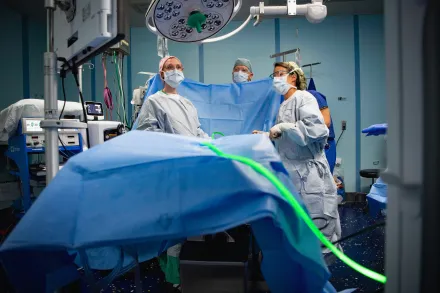
In modern medicine, the fusion of engineering and clinical practice has produced a new class of tools that extend the reach of the surgeon beyond the limits of manual dexterity. Robotics in surgery refers to the use of mechanical arms, computerized control systems, and high fidelity visualization to assist or guide the surgeon through delicate operations. This fusion creates an environment where precision, steadiness, and ergonomic efficiency can be improved while preserving the essential decision making of the human operator. The technology do...

Understanding how nutrition intersects with the body’s defenses against infections begins with recognizing that food is not merely fuel but a source of signals, resources, and microbiological balance that shape how the immune system responds to threats. The complex network of cells, tissues, and molecules that guard against invading organisms relies on a steady supply of nutrients to maintain readiness, repair damaged tissues, and mount effective responses when microbes challenge the body's barriers. In everyday terms, what you eat can influenc...
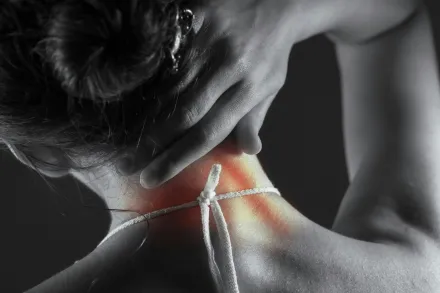
Reflexology is a complementary practice that rests on the idea that the feet, hands, and ears mirror the body and that applying targeted pressure to specific reflex points can influence overall health and pain perception. Practitioners describe reflex zones that correspond to organs, systems, and physiological processes. From a historical perspective, reflexology emerged from ancient traditions and has evolved into a modern therapy that is used worldwide in wellness clinics, spa settings, and integrated healthcare programs. In pain management c...
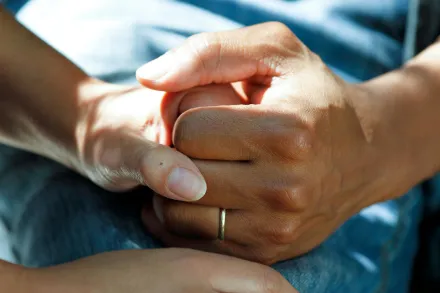
Chronic pain is a complex and deeply personal experience that extends beyond the sensation of physical discomfort. It persists for weeks, months, or even years, often accompanied by emotional, cognitive, and social effects that can shape a person’s daily life. Unlike acute pain, which serves as a protective warning signal during injury and typically resolves with time and healing, chronic pain may arise from diverse sources, including injuries that do not fully repair, ongoing conditions such as arthritis or neuropathies, nerve sensitization, a...

Sleep is often described as a period of rest, yet it functions as a dynamic regimen that tunes the immune system to recognize threats, mobilize defense mechanisms, and repair tissues after infection or injury. Across generations of medical inquiry, scientists have observed a consistent pattern: the quantity and quality of sleep influence how the body responds to pathogens, how vaccines prompt antibody production, and how the threshold for inflammatory processes is set. The relationship between sleep and immunity is not a simple cause and effect...
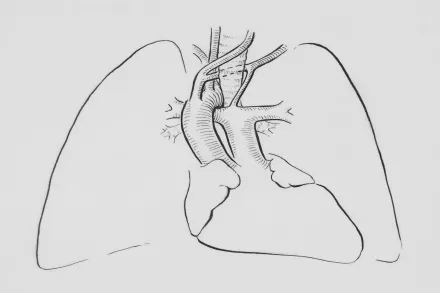
Chronic Obstructive Pulmonary Disease, commonly called COPD, is a condition that changes how a person breathes, moves, and experiences daily life. It is often progressive, meaning it tends to worsen over time, but with thoughtful management, many people learn to pace activities, protect their lungs, and preserve independence. Living with COPD means adapting routines to protect airways, manage symptoms, and seek support when needed. It touches physical capacity, emotional wellbeing, finances, and relationships, creating a complex daily reality t...