Predicting whether a patient will be readmitted to a hospital within a defined window after discharge is a complex challenge that sits at the intersection of data science, clinical workflow, and patient care. Artificial intelligence offers a way to synthesize vast streams of information—from electronic health records, claims data, and patient-reported outcomes to social determinants of health—and translate them into actionable risk signals. The goal is not merely to forecast a numerical score but to illuminate the factors that contribute to a h...


In modern work life the balance between productivity and movement often tilts toward staying seated for long stretches, staring at screens, and waiting for the next task to arrive. Yet the body responds to movement with a surge of energy, improved circulation, and a sharper focus that can translate into better problem solving and sustained attention. The core idea behind staying active during the workday is not to replace structured exercise but to weave gentle, practical movement into the fabric of daily tasks. This approach reduces fatigue, s...
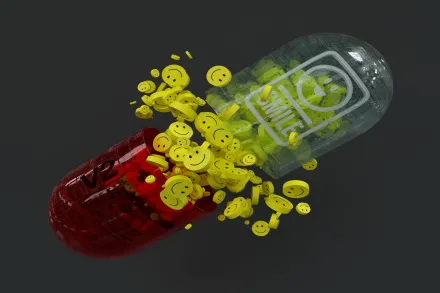
Artificial intelligence has entered the core of pharmacology with a promise to illuminate a landscape that has long challenged clinicians and researchers: the prediction of drug interactions. In this expansive domain, predictions are not mere curiosities but potential lifelines for patients who rely on complex regimens, where combinations of medications can interact in subtle but clinically meaningful ways. AI-powered approaches aim to forecast how one drug can affect the pharmacokinetics and pharmacodynamics of others, how these effects scale ...

Detoxification of the skin is a holistic process that blends internal balance with external care, allowing the largest organ to breathe, renew, and shine with a natural radiance. When we talk about detoxifying the skin, we are really describing a sustainable lifestyle that supports the body's built in cleansing mechanisms, reduces exposure to pollutants, and nurtures the skin with minerals, vitamins, and gentle therapies. The aim is not to chase quick fixes or miracle products, but to cultivate habits that reduce inflammation, strengthen barrie...

Chronic fatigue symptoms form a complex landscape that stretches beyond ordinary tiredness. They often defy simple explanations and can wax and wane with variable intensity across days, weeks, and even seasons. When people hear the phrase chronic fatigue, they may imagine a single, uniform experience, but the reality is more intricate. Individuals reporting persistent fatigue frequently describe a constellation of sensations and experiences that touch physical energy, cognitive function, emotional wellbeing, and bodily regulation. The goal of t...

Developing a stronger core does not mean chasing a chiseled sixpack overnight through brute force alone. It means understanding the complex system of muscles that stabilizes the spine, pelvis, and ribcage, then applying a thoughtful blend of exercises, breathing patterns, and daily habits that train those muscles in harmony. The core is a fusion of the deep stabilizers such as the transverse abdominis and multifidus, the obliques that support rotational control, the rectus abdominis that provides flexion, and the muscles of the pelvic floor and...

Psoriasis is a chronic inflammatory condition that manifests primarily on the skin but often involves online networks of immune activity that extend beyond the visible plaques. At its core, psoriasis reflects a misfired immune response in which certain white blood cells become overly active and set off a cascade of signals that drive skin cells to proliferate more rapidly than normal. The resulting thickened, reddish patches are often accompanied by silvery scales, itch, and sometimes pain. While environmental triggers and genetic predispositio...

In recent years the intersection of digital health, pharmaceutical science, and data engineering has given rise to a new paradigm in how medications are prescribed, dispensed, and taken. This paradigm shifts the focus from simply providing a good drug to ensuring that the drug reaches its intended target in the body at the right time and in the right amount, while continuously adjusting to the patient’s circumstances. The result is a range of interconnected systems that monitor, guide, and automate aspects of medication use, blending medical ju...

Chemotherapy-induced nausea is a common and often challenging symptom that accompanies cancer treatment. It is not merely an unpleasant feeling; it can interfere with a person’s ability to eat, drink, sleep, and participate in daily activities. The experience of nausea can be influenced by many factors including the type of chemotherapy, the schedule of treatment, individual physiology, psychological state, and the surrounding environment. For many patients, nausea may appear within hours after a chemotherapy session, while for others it can em...

Postoperative pain is a complex and variable experience that can influence every aspect of recovery. Even when surgical wounds heal, patients may continue to feel discomfort that affects breathing, movement, and sleep. Understanding the nature of this pain helps clinicians design strategies that minimize discomfort without compromising safety or healing. The first step is recognizing that pain after surgery is not merely a symptom but a signal from the nervous system indicating tissue injury and ongoing inflammation. This signal can be modulate...