Detoxification is a word that evokes images of cleansing regimens and drastic routines, yet at its core detoxification is a natural and ongoing process that the body performs every day. Rather than chasing dramatic changes that promise quick results, the most effective approach is to support the body's own systems with mindful choices that nurture organ function, cellular health, and balance. When the liver, kidneys, lungs, skin, and gut operate well, the body naturally eliminates metabolic byproducts, environmental chemicals, and other unwante...


Stress is a universal human experience, and while it cannot be eliminated entirely, it can be managed in ways that restore balance to the body and mind. Breathing, a fundamental physiological process, becomes a powerful tool when understood and practiced with intention. By learning to observe and adjust the rhythm of respiration, a person can influence heart rate, blood pressure, muscle tension, and the release of stress hormones. This article explores a comprehensive approach to reducing stress through breathing exercises, integrating scientif...

Coloring hair can be a transformative experience, but the process often raises concerns about stiffness, breakage, dullness, and compromised shine. The good news is that a thoughtful approach can yield vibrant results while preserving the integrity of the hair shaft. The goal of this article is to explore practical strategies that maximize color quality and longevity without forcing the hair through aggressive chemical actions. By understanding how dyes interact with hair fibers, choosing safer products, preparing properly, and applying gentle ...

Vitamin A stands as a cornerstone nutrient in the orchestra of immune defense, an essential factor that influences how the body recognizes and responds to threats while preserving the integrity of the barriers that guard internal tissues. This fat soluble vitamin exists in several forms, each with distinct roles in physiology. Retinol, a preformed version found predominantly in animal derived foods, serves as a ready source of vitamin A that tissues can utilize directly. Provitamin A carotenoids, primarily beta carotene, come from plant foods a...
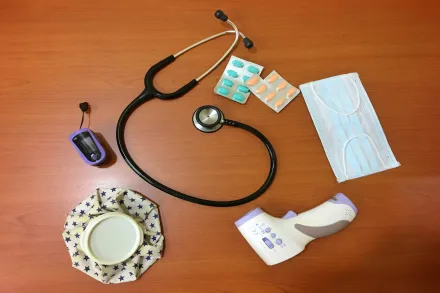
In recent decades, remote patient monitoring has moved from a niche, experimental concept to a cornerstone of chronic disease management and preventive care. The early stages relied on sporadic data collection, often constrained by limited connectivity, bulky devices, and the logistical hurdles of transmitting information from patients' homes to clinics. With the democratization of sensors, improvements in wireless communication, and the emergence of cloud-based analytics, RPM evolved into a continuous or near continuous stream of health signal...

Dry skin is a common condition that can affect people of all ages and backgrounds, yet its root causes are often a blend of environmental factors, internal physiology, and personal care habits. When the outermost layer of the skin is deprived of its natural lipids and water, it becomes less capable of locking in moisture and more prone to roughness, flaking, and a sense of tightness. Understanding how the skin normally functions provides a useful map for natural remedies that are gentle, nourishing, and aimed at restoring balance rather than ma...

Motivation is a dynamic force that drives human action, blends with emotion, cognition, and environment, and operates across every facet of life from routine chores to ambitious quests. It is not a single instinct but a composite process that can be observed in the way a person wakes with intention, sets a target, nurtures interest, keeps going through obstacles, and redefines what counts as success after each encounter. The study of motivation has wandered through many schools of thought, from theories that frame people as seekers of safety an...

The human digestive system is a marvel of coordinated processes that transform the foods we eat into usable energy, nourish tissues, and ultimately regulate the rhythms of daily life. Among the most influential components guiding this complex system is dietary fiber, a diverse group of plant-based carbohydrates that resist human enzymes yet are readily manipulated by the diverse microbes that inhabit the gut. Fiber’s impact extends far beyond simply moving matter through the intestines; it interacts with your microbiome, influences stool consis...

In modern offices many hours are spent seated at a desk, staring at screens, and moving mainly at the speed of a keyboard. This quiet, persistent stillness can accumulate into stiffness, reduced circulation, and fatigue that sneaks into both the body and the mind. Yet minutes of purposeful movement scattered through the workday can counteract these effects, improving posture, buoying energy, and sharpening concentration. The goal of the exercises described here is not a dramatic workout but a steady, practical routine that fits into a typical w...
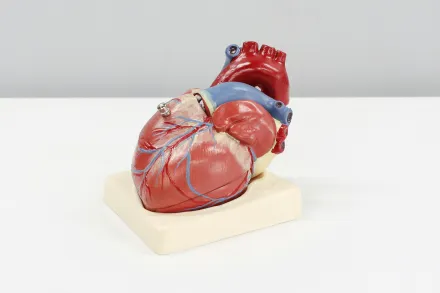
Three dimensional printing, also known as additive manufacturing, has evolved from a prototyping curiosity into a mature clinical tool across many medical specialties, with cardiology standing out as an area where tangible models can translate complex imaging data into tactile understanding. In its essence, this technology builds objects layer by layer from digital designs, and in medicine it has moved beyond simple plastics into biocompatible materials that can mimic the mechanical properties of human tissues. The heart, with its intricate geo...