Understanding the link between stress and hair loss
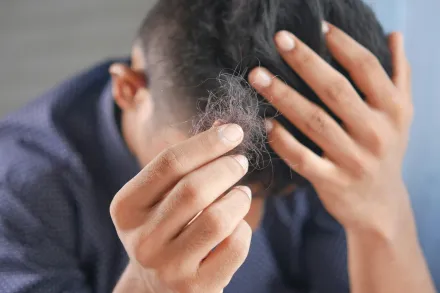
Stress is not solely a mental or emotional experience; it also manifests in the body with physiological changes that can influence hair growth. The human hair follicle follows a growth cycle that includes an active anagen phase, a transitional catagen phase, and a resting telogen phase. When stress levels surge or persist, a larger portion of hair follicles can be pushed into the telogen phase, a condition commonly referred to as telogen effluvium. During telogen effluvium, hairs shed more readily than usual, often several weeks to months after the stressor. While the shedding can be distressing, it is usually temporary, and most people see regrowth once the body adjusts and the stressor diminishes. The stress response also interacts with hormone signaling, inflammation, and nutritional status, creating a multifaceted environment where hair follicles may become more vulnerable to shedding. Understanding this mechanism helps normalize the experience and shifts attention toward balanced lifestyle changes that support both mental health and scalp physiology.
Beyond telogen effluvium, chronic stress can influence conditions that indirectly affect hair, such as sleep disturbances, poor dietary choices, and unhealthy lifestyle habits. When sleep is disrupted, cortisol rhythms and feeding cues can become irregular, which may alter nutrient delivery to follicles and the timing of hair growth cycles. Psychological strain can also lead to behaviors like over-using hair styling products, adopting harsh cleansing routines, or wearing hairstyles that pull on the scalp, all of which can compound shedding. In addition, stress related to illness or injury can prolong recovery periods and maintain a state of heightened immune activation that may affect hair follicles in certain individuals. This complex web of interactions explains why empathetic, comprehensive strategies are often the most effective approach to preserving hair during challenging times.
Importantly, the timeline matters. Hair shedding linked to a temporary stressor tends to peak around two to four months after the stress begins and gradually recedes as stress is reduced and the body heals. If shedding persists for a longer period or is accompanied by noticeable thinning, it may indicate additional factors at play, including nutritional gaps, hormonal fluctuations, medication effects, or underlying dermatological conditions. Acknowledging the temporal pattern of hair loss can reduce anxiety and guide practical steps that align with a person’s overall health strategy, rather than focusing solely on the appearance of hair. In this light, addressing stress becomes a foundational element of hair preservation, not just a parallel concern.
Strategies to reduce stress and support hair health
Effective stress reduction begins with cultivating awareness of the body’s responses and creating an environment that supports relaxation, restoration, and resilience. Mindful breathing exercises, for instance, help regulate the autonomic nervous system, lower heart rate, and reduce the release of cortisol during periods of tension. A calmer nervous system can indirectly support hair follicles by limiting prolonged inflammatory signaling and stabilizing nutrient delivery to the scalp. Mindfulness practice can be integrated into daily life through short sessions that focus on the breath, bodily sensations, or gentle body awareness, allowing the mind to reset between demanding tasks. Consistency matters more than intensity, and even a few minutes practiced regularly can accumulate meaningful benefits over time.
Physical activity stands out as another key factor. Regular movement improves circulation throughout the body, including the scalp, which can enhance the delivery of oxygen and nutrients to hair follicles. Exercise also modulates mood and sleep patterns, both of which influence hormonal balance and tissue repair. Activities that feel enjoyable and sustainable tend to be the best choices, whether that means brisk walking, cycling, yoga, or swimming. The goal is to create a routine that becomes part of daily life rather than a temporary regimen that is abandoned when stress spikes. When exercise is paired with proper recovery, it can contribute substantially to reducing stress-related hair shedding over time.
Sleep quality cannot be overstated in its importance for stress management and hair health. During deep, restorative sleep, the body conducts essential repair work, including the regeneration of hair follicle cells and the regulation of growth hormone and cortisol levels. Establishing a consistent sleep schedule, minimizing screens before bed, and creating a quiet, dark sleeping environment can improve both sleep duration and depth. If stress disrupts sleep, addressing it with light evening routines, relaxation practices, or, when appropriate, professional guidance can yield noticeable improvements in daytime functioning and subsequent hair stability. In addition, limiting caffeine and alcohol intake in the late day can support more stable sleep architecture, which in turn supports hair growth over the long term.
Nutrition and hydration underlie the body’s capacity to respond to stress. A steady intake of balanced meals supports energy availability for hair follicles and helps regulate hormonal signals that influence the hair cycle. Consuming meals with adequate protein, healthy fats, and complex carbohydrates provides the building blocks for keratin synthesis, a key component of hair. Keeping hydrated ensures that scalp tissues remain supple and that nutrient transport remains efficient. When stress is high, it can be tempting to reach for quick fixes or highly processed foods, but attention to nutrient-dense options helps sustain metabolic processes essential for hair maintenance. The social and emotional aspects of eating, such as shared meals or mindful preparation, can further support mood and reduce stress-driven snacking, contributing to a healthier overall profile for hair health.
Lifestyle changes that protect hair during tough times
A central principle is creating routines that reduce physical stress on the scalp and hair while supporting systemic well-being. Gentle daily hair care routines that avoid aggressive mechanical action can prevent needless shedding. Using a soft brush, detangling with care, and avoiding rough handling when the hair is wet helps minimize breakage and breakage-related shedding that can exacerbate the appearance of thinning during periods of stress. Limiting harsh chemical processes such as frequent dyeing, chemical straightening, or bleaching can also protect hair shaft integrity when resilience is typically lower. When heat styling is used, setting devices to moderate temperatures and applying protective products can reduce damage that compounds stress-related shedding. The overarching aim is to treat hair as a living fiber that requires consistent care rather than subjecting it to episodic, high-stress styling choices.
Consistency in hair washing and scalp care supports a healthy microenvironment on the scalp. Using a mild, sulfate-free cleanser and ensuring the scalp receives adequate cleansing without stripping natural oils can help maintain the barrier function of the skin and reduce irritation that could contribute to shedding. A well-tolerated conditioner applied mainly to the lengths and ends helps maintain moisture balance, elasticity, and manageability. Regular scalp massages, performed gently, can promote circulation and provide a relaxing ritual that benefits both mind and body. Establishing a routine that is realistic and enjoyable increases adherence, which in turn lends stability to hair health during periods of stress.
Another protective strategy involves managing environmental triggers that can heighten stress levels. Setting realistic work and personal boundaries, delegating tasks when possible, and prioritizing moments of quiet may reduce the cumulative burden on the nervous system. Social connections provide emotional support and can buffer the physiological impact of stress. Engaging with friends, family, or communities in meaningful ways can improve mood and resilience, indirectly supporting hair health by easing the stress response. When social interactions are limited, seeking professional guidance or joining structured stress management programs can offer practical skills to navigate challenging times and sustain hair health in a more balanced way.
Nutrition and supplements for hair resilience
Nutrition plays a foundational role in supporting the hair’s growth cycle, particularly during stress when demand for resources may be high and recovery slower. Adequate protein intake supplies amino acids that are essential for keratin production, the primary structural protein of hair fibers. Including a variety of protein sources such as lean meats, fish, dairy, legumes, eggs, and plant-based options ensures a broad spectrum of amino acids necessary for robust hair production. Iron and ferritin stores are critical for oxygen delivery to follicles, and iron deficiency is a common contributor to shedding. Foods rich in iron include red meat, leafy greens, beans, and fortified grains, and pairing them with vitamin C-rich foods can enhance iron absorption. Zinc supports the function of hair follicles and the activity of enzymes involved in hair growth; sources include seafood, beef, pumpkin seeds, and lentils. Vitamin D, though produced in the skin upon sun exposure, can also be obtained from fortified foods and certain mushrooms; adequate vitamin D status is associated with healthier hair cycling in some individuals, though supplementation should be guided by a clinician if levels are uncertain.
B vitamins, particularly biotin (B7), B12, and folate, contribute to metabolic processes that nourish rapidly dividing hair follicle cells. While severe biotin deficiency is rare, modest supplementation may help in some cases, especially when dietary intake is limited or certain conditions affect absorption. It is important to avoid excessive supplement use without professional advice, as very high doses of some vitamins can have unintended effects. Omega-3 fatty acids, present in fatty fish, flaxseeds, and walnuts, provide anti-inflammatory benefits that may support scalp health. Collagen peptides and other protein supplements are often marketed for hair support; while evidence for hair growth is mixed, they can contribute to overall protein intake and skin health if used sensibly. Adequate hydration and balanced electrolytes help maintain cellular function across tissues, including the scalp, reinforcing a healthy environment for hair growth even during routine stressors.
In practice, a varied, nutrient-dense diet combined with appropriate hydration generally yields the best outcomes for hair resilience. If there are concerns about dietary gaps, it can be helpful to consult a registered dietitian or healthcare provider who can assess individual needs through dietary history, labs if indicated, and a personalized plan. Some individuals may require targeted supplementation to address specific deficiencies, especially during periods of high stress or after illness. Professional guidance ensures that supplements are used safely and effectively, without interacting with medications or underlying health conditions. The goal is to support the body’s capacity to sustain hair follicles by maintaining stable nutrient availability and reducing inflammatory cues that can accompany stress.
Hair care practices that minimize damage during stress
Protecting hair during stressful periods means coupling gentle handling with smart routines. Avoiding aggressive brushing when hair is dry and minimizing pulling or snapping motions reduces mechanical damage that can compound shedding. Wet hair is more prone to breakage, so detangling with a wide-tooth comb or fingers in a slow, patient manner is prudent. Using a conditioner that provides slip and moisture can help minimize tugging while styling, and applying a leave-in or protective oil to the mid-lengths and ends may improve manageability and reduce friction. When wearing protective styles, opting for looser, less constricting arrangements reduces traction on the scalp, which can otherwise contribute to follicle stress and shedding. If heat styling is used, limiting frequency and temperature, along with a heat-protectant product, supports hair integrity during stressful periods when follicles may be more vulnerable to damage.
Scalp health is an often overlooked but essential pillar of hair resilience. Gentle cleansing that removes buildup without overstripping natural oils helps maintain a balanced scalp environment. People should monitor for signs of irritation, flaking, or redness, as these can indicate scalp conditions that worsen shedding or discomfort. If chronic itchiness or redness occurs, seeking advice from a dermatologist or trichologist can prevent small issues from evolving into more significant problems. Sunscreen for the scalp or hats in strong sun exposure can protect the scalp from ultraviolet damage that may otherwise contribute to dryness or irritation, especially when hair is thin or shedding is prominent. In addition, avoiding tight headwear that places pressure on follicles can help preserve hair during vulnerable periods.
When to seek professional help
If hair shedding continues beyond a few months after stressors have lessened, or if there is significant thinning, it is wise to consult a healthcare professional. A dermatologist or trichologist can assess scalp condition, examine the pattern of shedding, and rule out other causes such as autoimmune conditions, hormonal imbalances, thyroid issues, or certain medications. A clinician may perform a physical exam, review medications, and order tests to identify underlying contributors. In some cases, a staged approach combining medical treatment with lifestyle changes yields the best outcomes. Early consultation improves the chances of addressing root causes and implementing tailored strategies that support both scalp health and overall well-being. If there is a family history of hair loss or a sudden change in hair density, seeking professional input promptly is particularly prudent, as it allows for timely intervention and reassurance during a stressful period.
Alongside medical evaluation, mental health support can play a critical role in managing stress that contributes to hair loss. Counseling, behavioral therapies, or stress management programs can equip individuals with practical tools to reduce the duration and intensity of the stress response. When stress is effectively managed, the body often resets its hormonal and inflammatory milieu in a way that supports hair regrowth over time. A coordinated plan that considers sleep, nutrition, exercise, and scalp care tends to offer the most durable results, especially for people facing chronic stressors or life transitions that elevate risk for hair shedding. Open communication with clinicians about symptoms, triggers, and progress helps tailor interventions to personal needs and circumstances.
Mythbusting: common misconceptions about stress and shedding
One pervasive belief is that any shedding equates to permanent baldness. In reality, most stress-related shedding is temporary, and a majority of individuals observe regrowth once stressful circumstances subside and recovery progresses. Another common misconception is that stress alone causes hair loss in all people equally; in truth, genetic predisposition, overall health, nutrient status, and lifestyle interact with stress to shape individual outcomes. Some myths suggest that washing hair more or less frequently can prevent shedding; however, cleansing routines primarily affect scalp comfort and hygiene, while the hair cycle is more deeply influenced by hormonal and nutritional factors. A further misunderstanding is that topical treatments alone can reverse stress-induced hair loss; while scalp therapies can assist, addressing systemic stress and lifestyle factors typically yields stronger, more durable results. By distinguishing fact from myth, individuals can pursue evidence-based strategies that balance mind and body without unnecessary anxiety.
Another inaccurate assumption is that all shedding means disease or aging. In fact, hair is a dynamic tissue that responds to internal and external cues. Short-term increases in shedding during and after stress are often followed by a return to baseline as health improves. Misinterpreting these signals can lead to excessive worry and counterproductive behaviors, which in turn may exacerbate stress and discomfort. Recognizing the normalcy of the body’s responses during crises can empower people to apply practical steps with confidence, focusing on sustainable habits rather than dramatic, unsystematic changes. Education about the hair growth cycle and how stress interacts with it can serve as a stabilizing anchor during uncertain times, guiding informed decisions rather than reactive ones.
Long-term maintenance: building resilience to prevent relapse
The most effective long-term strategy for preserving hair during stress is to integrate resilience-building practices into everyday life. This involves creating a sustainable routine that supports physical health, mental well-being, and scalp care. Emphasizing consistent sleep, balanced meals, regular physical activity, and gentle hair practices cultivates a robust foundation that reduces susceptibility to shedding when stress spikes again. Cultivating social connections and meaningful activities provides emotional buffers that can lower the intensity of the stress response over time. When a crisis occurs, having a pre-established plan—such as a short, practical relaxation routine, a dependable sleep schedule, and a simple hair care regimen—enables a quicker return to baseline function. In addition, periodic check-ins with healthcare professionals to monitor nutritional status, hormone balance, and skin or scalp health can help identify and address emerging issues before they escalate, preserving both hair and overall vitality for the long haul.
Building resilience is not a one-size-fits-all process. Personalizing strategies to fit preferences, daily commitments, and cultural context increases the likelihood of adherence. For some, mindfulness and meditation provide intrinsic calm; for others, expressive activities or structured exercise routines offer greater relief. The goal is to create a flexible system that adapts to changing life circumstances while maintaining core components such as sleep quality, nutrient adequacy, scalp protection, and emotional support. Over time, these integrated habits not only reduce the magnitude of stress-related hair shedding but also enhance general well-being, making it easier to navigate future challenges with less disruption to hair health.
Ultimately, the journey toward preserving hair during stress is anchored in patience, consistency, and informed care. By acknowledging the body’s natural rhythms, applying compassionate stress management, and maintaining sensible hair and scalp practices, many people experience not only a reduction in shedding but also a restoration of confidence as hair returns to its typical fullness. The synergy between mental health and physical health becomes evident when the scalp is treated as a reflection of overall balance, and when daily choices align with a durable, gentle approach to living well through difficult times. In this light, hair health becomes an accessible marker of resilience rather than a solitary struggle, inviting a holistic stance that embraces nourishment, rest, movement, and mindful self-care as the foundation for lasting well-being.