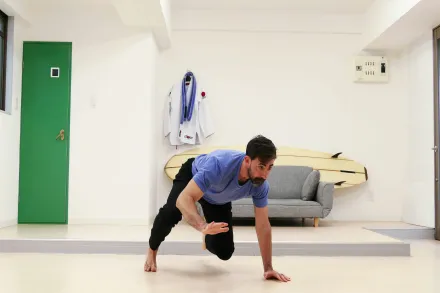
Stretching is a practice that travels through the realms of physiology, neurology, and daily training culture, weaving together principles from science with lived experience in sport and rehabilitation. The way the human body repairs itself after exertion is a complex choreography involving muscle fibers, connective tissues, blood vessels, nerves, and the autonomic nervous system. Stretching interacts with multiple parts of this system, potentially influencing tissue properties, pain perception, and the speed with which recovery indicators retu...
Human beings carry an intimate relationship with scent that begins before birth and persists through every season of life. Aromatic experiences have the remarkable ability to slip past conscious defenses and speak directly to the body and mind. When a person inhales a fragrant molecule, it doesn't just travel through the air; it travels into the brain along pathways that are closely connected to memory, emotion, and regulation of bodily states. This intimate dialogue between scent and physiology can gently nudge the nervous system toward calm, ...
Reaction time is the interval between the presentation of a sensory stimulus and the initiation of a motor response. It is a fundamental measure of how quickly the nervous system can detect information, interpret it, and produce a movement to meet a demand. In everyday life, reaction time influences everything from catching a dropped object to reacting to a car stopping suddenly in traffic. In sports, fast reaction time can separate winning moments from near misses, as it translates to faster starts, quicker adjustments to an opponent’s move, a...

When the occasion calls for a look that feels both polished and personal, hair becomes a powerful element of expression. The right style can elevate confidence, complement an outfit, and carry a mood through every moment of a celebration. This article explores a thoughtful approach to styling for special events, moving beyond quick fixes and superficial trends toward a method that respects your hair’s unique texture, your daily routine, and the long arc of the day from preparations to the final recollections. It invites you to consider how your...
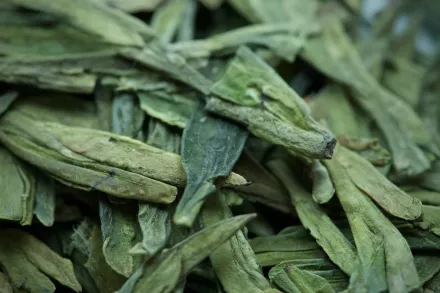
Green tea has long stood as a quiet, dependable companion in daily life, offering a gentle lift in energy, a nuanced flavor profile, and a sense of ritual that invites steady, mindful sipping. In contemporary science, this familiar beverage is examined not only for its taste and cultural significance but also for its chemical makeup, which includes a rich array of polyphenols, catechins, and amino acids that can interact with the body in subtle and meaningful ways. The leaves used to produce green tea are typically harvested at peak freshness a...

Inflammation is a natural defense mechanism that the body uses to respond to injury, infection, and cellular stress. In its acute form, it serves a protective purpose, recruiting immune cells, ramping up blood flow, and activating repair processes that help restore tissue integrity. Yet when inflammation becomes chronic, it can turn against the body, contributing to the development and progression of a long list of conditions, from cardiovascular disease to insulin resistance and mood disturbances. This paradoxical duality makes the study of in...
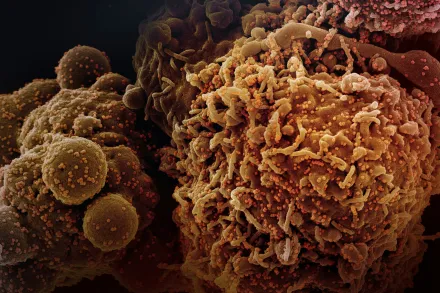
From the earliest days of cancer treatment when doctors relied on broad cytotoxic regimens that affected both tumor and normal tissues, a profound shift has occurred toward tailoring therapy to the distinctive biology of each patient’s cancer. Targeted therapy is rooted in the understanding that most cancers arise from specific molecular changes that drive malignant growth, survival, and spread. By focusing on those critical alterations, clinicians aim to disrupt the tumor’s essential machinery while reducing collateral damage to healthy cells....
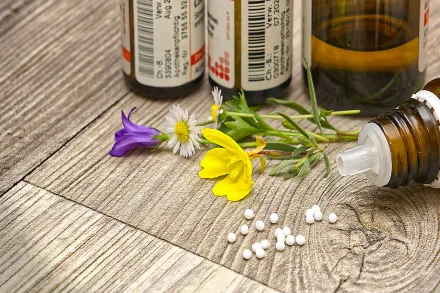
In modern clinical practice, pain is recognized as a multi layered experience that stretches beyond simple tissue damage. It encompasses physical sensations, emotional responses, cognitive interpretations, and social implications that shape how a person moves, works, and connects with others. This intricate tapestry means that approaches to relief cannot focus only on suppressing a signal in the nerves, yet frequently biomedical strategies concentrate on direct symptom management through drugs or procedures. Homeopathy enters the conversation b...
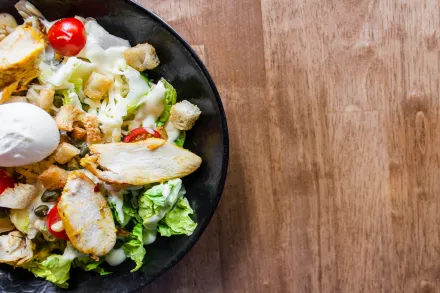
Dining out is a familiar ritual in many cultures, a social activity that blends convenience with the pleasure of shared meals. Yet for people who are trying to eat healthier, restaurant menus can feel like a minefield of hidden fats, oversized portions, and high-sodium sauces. The good news is that healthy eating while dining out is not only possible but also enjoyable when approached with awareness, strategy, and a calm sense of control. It begins with understanding how menus are structured, how cooking methods influence nutrition, and how sma...

The immune system is not a single entity but a symphony of cells, tissues, and signaling molecules that act in concert to defend the body against disease. For many people, immune health feels mysterious, yet the choices we make every day about nutrition, sleep, activity, stress, and environment exert real influence on how robust that defense appears in practice. Recognizing this connection empowers us to adopt lifestyle patterns that support resilience rather than leaving immunity to luck. When we align daily habits with what science describes ...