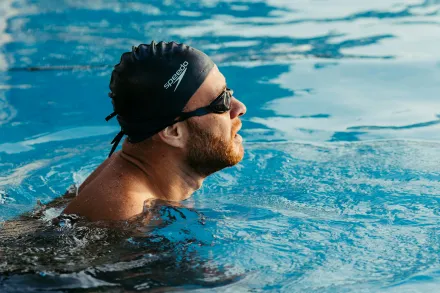
Foundational aerobic base
Developing endurance in swimming begins with building a strong and steady aerobic base that can support prolonged effort without excessive fatigue. The body learns to use oxygen more efficiently, the heart becomes more capable of delivering blood to working muscles, and the muscles adapt to sustained motion through gradual exposure. In practical terms this means spending a good portion of training time at an easy, conversational pace where breathing is unstrained, muscle fatigue is minimal, and technique can be maintained without distraction. A well cultivated base creates a platform from which faster, more demanding workouts can be layered without risking overtraining or injury. Across weeks and months the volume of easy swims slowly increases, depth of breathing becomes more relaxed, and the swimmer discovers a smoother rhythm that translates into longer swims without a sharp rise in perceived exertion.
Consistency is the cornerstone of building endurance in the water, and that means showing up with a plan that allows for gradual, measurable progression. The body responds to repeated exposure by adapting in ways that improve stroke economy, enhance mitochondrial density, and promote efficient energy use. When swimmers adopt a long arc of training that emphasizes time spent moving rather than quickly accumulating yardage, they find that the early efforts pay dividends later. In this phase it is essential to monitor signs of fatigue and adjust workloads to prevent stagnation or injury, because the development of endurance is a marathon rather than a sprint. The athlete who prioritizes regular, controlled sessions will often notice improvements in pace at the same perceived effort, and this is a clear indicator that the aerobic system is strengthening and the training stimulus is appropriate.
Technique and efficiency as endurance multipliers
Endurance in the pool is deeply tied to technique because efficiency extends the time a swimmer can stay in the water before fatigue becomes overwhelming. Every stroke that glides smoothly through the water reduces wasted energy, and in quiet, continuous swimming the smallest mechanical adjustments accumulate into meaningful gains. Focusing on a streamlined body position, an early catch, a stable hand entry, and a deliberate breath that does not disrupt rhythm allows longer distances to be covered with less effort. Drills that emphasize balance, rotation, and core engagement help the swimmer sustain proper alignment, which minimizes drag and maximizes propulsion. When technique feels automatic, the swimmer can extend repeats, maintain a steady tempo, and keep the heart rate within the aerobic zone rather than spiking into harder ranges, which is the essence of endurance building.
Incorporating technique work alongside aerobic swims creates a synergy where improvements in stroke length and efficiency translate into faster paces with the same level of effort. Breathing rhythm, especially bilateral breathing, can stabilize stroke timing and reduce asymmetries that often lead to energy leaks. Swimmers may notice that by refining body position and making minor adjustments to head and hip alignment, the same workload becomes less taxing. A well-tuned technique acts as a multiplier for endurance because it allows the swimmer to sustain a given pace longer, or to increase pace slightly without disproportionate increases in fatigue. The result is a more economical form that endures through longer workouts and ultimately through longer races.
Periodization and progression
Endurance training benefits from thoughtful periodization that coordinates volume, intensity, and recovery across cycles. An overarching plan typically blends blocks focused on base development with blocks aimed at strengthening capacity, then a transition into more speed-oriented work before peaking for competition. The basic idea is to deliver a progressive stimulus that the body can adapt to without being overwhelmed. A well designed plan includes gradual increases in total distance, a careful balance of easy and moderate sessions, and purposeful recovery weeks that allow the nervous system, joints, and muscles to rebuild. When progression is managed, the swimmer experiences steadier improvement and a lower risk of overuse injuries that can derail long-term progress.
Within each block, micro cycles adjust the dose of training according to how the swimmer responds. Distance and duration are increased in increments, while intensity is scaled to preserve technique and comfort in the water. It is important to embed occasional re-checks that gauge progress, such as a time trial or a tempo swim, to ensure that adaptations are on track. Deload weeks or lighter blocks function as essential resets that refresh the body and mind, reducing accumulated fatigue and maintaining motivation. A disciplined approach to periodization supports sustainable growth in endurance and helps swimmers avoid the common pitfalls of monotony, plateaus, and injuries that can accompany sustained training without a clear plan.
Interval training and tempo work
Intervals and tempo work are powerful tools for pushing endurance boundaries while keeping technique clean. The science behind these workouts rests on the idea that repeated, controlled efforts at a steady or slightly elevated pace teach the body to tolerate lactate, recruit the correct energy pathways, and maintain form under fatigue. An endurance oriented interval session might feature prolonged repeats at a steady aerobic pace interspersed with short, fully recoveries that allow a near return to baseline heart rate, enabling the swimmer to preserve stroke quality. Tempo sets, performed at a pace just above the general endurance pace, train the body to hold firm technique while approaching the limit of sustainable effort. The combination of these approaches builds resilience and improves the ability to sustain a strong pace over longer distances without collapsing into disordered technique or excessive drag.
The psychological aspect of interval training also matters, as repeat bouts demand focus and patience. A swimmer learns to manage pacing, avoid early surges, and respect recovery periods so that each repetition starts with fresh mechanics. Over time, consistent exposure to these controlled demands fosters a steadier tempo, better breath control, and a more efficient stroke rhythm. When applied thoughtfully, interval and tempo work help convert the aerobic base into a practical capacity for longer events, even in the face of rising fatigue in longer distances or harsher race environments.
Breathing strategy and hypoxic training caveats
Breathing is a critical link between endurance and technique in swimming. A stable breathing pattern supports oxygen delivery, maintains rhythm, and reduces the likelihood of losing efficiency as fatigue grows. Many endurance swimmers find value in practicing a consistent breathing cadence, such as bilateral breathing on alternate strokes, which distributes load and helps prevent asymmetries that can cause drag or shoulder strain. As lungs and chest muscles adapt, slower, deeper breaths can improve oxygen uptake and reduce the effort required to sustain a given pace. In the context of endurance training, breath control should be calm and purposeful rather than reactive to fatigue, because controlled breathing preserves stroke mechanics and alignment when fatigue accumulates.
Some advanced training approaches include controlled hypoxic or restricted-breathing patterns to challenge gas exchange and comfort with lower oxygen availability. It is essential to approach such methods with caution and under guidance if used at all, because improper application can lead to dizziness, disorientation, or dangerous fatigue. For most swimmers focused on endurance building, the safer path is to emphasize steady bilateral breathing, relaxed exhalation, and consistent cadence, while gradually increasing blue-water exposure and longer swims. By combining disciplined breathing with solid technique and sustainable pacing, endurance improves in a way that feels natural rather than forced, and the swimmer gains confidence to push further in longer sessions without compromising form or health.
Strength and dryland training for swimming endurance
Endurance in the water relies not only on cardiovascular fitness but also on musculoskeletal resilience and core stability. Dryland training complements pool work by strengthening the muscles responsible for stabilizing the spine, supporting the shoulders, and maintaining hip alignment during long swims. A balanced routine focuses on the core, scapular stabilizers, rotator cuff strength, and hip extensors, along with posture work that promotes an upright, balanced position in the water. When these areas are strong, the swimmer experiences less drag, reduced risk of injury, and improved ability to sustain technique as fatigue grows. Controlled resistance training, bodyweight movements, and light-to-moderate resistance with proper form can be integrated into the weekly plan to support swimming-specific endurance without creating excessive muscle soreness that could hamper pool sessions.
Coordination between upper and lower body during the stroke becomes more reliable when the core remains engaged and the hips rotate in a smooth, efficient arc. This translates to more propulsion per stroke, less wasted energy, and a more economical swim at longer distances. In addition to strength work, mobility and flexibility routines help preserve shoulder capacity and range of motion, ensuring that the arms can travel through the water with the least resistance. Endurance-oriented dryland components should emphasize consistent practice rather than maximal effort, and should be scheduled with attention to recovery so that they augment rather than diminish pool performance.
Nutrition and recovery for endurance gains
What a swimmer consumes between sessions has a profound impact on performance and how quickly the body can adapt to the training stimulus. Adequate energy supply through carbohydrates, fats, and proteins supports ongoing workouts, while protein intake after swims aids repair and growth of muscle tissue. Hydration and electrolyte balance are essential in maintaining muscle function, especially in longer sessions, hot environments, or frequent workouts. A practical approach is to ensure regular meals and snacks that provide a steady stream of energy, with a focus on nutrient-dense options that promote recovery, such as whole grains, fruits, vegetables, lean proteins, and healthy fats. Proper fueling plans consider the timing of workouts, the size of meals, and the need for quick energy before sessions to optimize performance and minimize gastrointestinal discomfort during extended swims.
Recovery strategies complement nutrition by supporting sleep, tissue repair, and mental freshness. Sleep quality and duration are critical for hormonal balance, cognitive focus, and regenerative processes that enable training adaptation. Day-to-day recovery is aided by gentle movement on off days, mobility work, and mindfulness practices that reduce residual stress. Monitoring fatigue levels and adjusting training loads based on how the body feels helps prevent overtraining and fosters a sustainable progression. When nutrition and recovery are prioritized alongside training structure, endurance gains solidify and swimmers experience fewer days of stagnation, more consistent pacing improvements, and an increasing capacity to handle longer sessions without a noticeable drop in technique or comfort.
Sleep, stress management, and injury prevention
Sleep is the foundation of effective recovery, repair, and performance. Inadequate rest disrupts hormonal balance, reduces cognitive sharpness, and can magnify the perception of effort during workouts. A consistent sleep schedule supports learning, consolidation of motor skills, and the physiological processes that repair micro-damage in muscles and connective tissue after intense training. Stress management intersects with sleep and training, because high psychological stress can interfere with recovery and contribute to fatigue. Techniques such as diaphragmatic breathing, progressive relaxation, or brief mindfulness practices can be woven into daily routines to protect the nervous system and ensure that training sessions remain productive. Injury prevention in endurance swimming hinges on maintaining proper shoulder mechanics, balanced muscle strength, flexibility, and appropriate progression in volume and intensity to avoid repetitive strain. Paying attention to warning signs such as sharp pain, abnormal shoulder fatigue, or persistent soreness helps swimmers seek appropriate modifications, rest, or professional assessment before problems escalate.
Injury risk is also mitigated by smart training distribution. Easy days should outnumber hard days, and technique-focused sessions can compensate for fatigue by preserving form. The swimmer who respects rest periods and listens to the body often experiences fewer minor setbacks and more reliable progress. By aligning sleep, stress management, and injury prevention with a clear training plan, endurance gains become a sustainable reality rather than a fleeting surge of effort that cannot be maintained over time.
Cross-training and active recovery for swimming endurance
Cross-training expands the endurance base by engaging energy systems in complementary ways while giving the swimming muscles a break from repetitive swimming patterns. Activities such as cycling, running, or water-based cross-training can improve cardiovascular capacity, metabolic efficiency, and muscular balance without overloading the same joints and tendons used in swimming. The key is to choose activities that suit the swimmer's interests, body, and schedule, and to integrate them in a manner that supports recovery rather than increases fatigue. Even light cross-training days help enhance circulation, promote metabolic flexibility, and maintain enthusiasm for training during periods when pool time is limited. Active recovery days that focus on mobility, gentle movement, and reduced effort contribute to long-term adherence and better adaptation when the swimmer returns to longer sessions in the pool.
Balancing cross-training with swimming ensures a well-rounded endurance profile. The goal is to extend the aerobic capacity while preserving technique, allowing the body to adapt across different movement patterns. This holistic approach can lead to improved efficiency, reduced risk of overuse injuries, and a more resilient swimmer who can handle the demands of longer events with confidence. Through thoughtful scheduling and a willingness to experiment with complementary activities, endurance gains multiply as the swimmer learns how to distribute effort across modalities without compromising the integrity of the swim-specific adaptations being developed in the water.
Swim-specific drills and pacing strategies
Drills that focus on propulsion, body position, and timing help swimmers translate general endurance into swim-specific performance. By isolating components of the stroke and then integrating them back into full swims, the athlete can address weak links that hinder efficiency during longer efforts. Drills that emphasize catch, reach, and early vertical forearm can lead to a more powerful pull and a reduction in splashy, energy-wasting movements. Pacing strategies, including establishing a sustainable tempo from the outset and gradually building through a long swim, reinforce the idea that endurance is not simply a matter of swimming fast but of maintaining a controlled, repeatable effort. Regular practice of pacing in realistic race-like conditions helps swimmers identify the exact rhythm that allows them to sustain velocity while preserving technique and comfort over distance.
Incorporating race-pace simulations and distance-oriented sets into workouts supports the transfer from training to competition. The swimmer learns to respect the pace early on, manage energy reserves, and respond to fatigue without sacrificing stroke integrity. Drills paired with thoughtful pacing create a strong link between the mechanics of the stroke and the capacity to sustain it across a full distance, whether that distance is a challenging open-water course or a long pool event. As endurance grows, the swimmer becomes more adept at regulating effort, maintaining cadence, and optimizing the balance between speed and efficiency in response to the demands of a race simulation or a real meet.
Putting it all together: a sample week and long-term plan
A well balanced week for building swimming endurance typically blends easy swimming, longer steady sessions, and selective higher-intensity work with ample recovery. A typical week centers around a long, relaxed swim where the primary purpose is to accumulate distance with clean technique and a comfortable breath pattern. This is complemented by a midweek session that emphasizes steady tempo work and efficient pacing, plus a technique and mobility focus to reinforce sustainable form. Shorter sessions provide the opportunity to reinforce drills, refine breathing, and address specific weaknesses without excessive fatigue. The overall goal is to create a rhythm in training that supports gradual adaptation, reduces the risk of overuse injuries, and sustains motivation over many weeks. A long-term plan evolves as the swimmer builds endurance, gradually incorporating more challenging interval sessions, longer cool-downs, and occasional high-volume blocks designed to stretch capacity while preserving form and enjoyment in the water.
Over months the swimmer may gradually extend the distance of the easy swims, introduce occasional longer tempo or lactate-tolerance efforts, and schedule deliberate recovery weeks to consolidate gains. The progression should feel like a natural extension of the body’s capabilities, with improvements that are measurable in faster paces at the same effort or the ability to complete a longer session before fatigue disrupts technique. Keeping a training log, listening to body cues, and coordinating with a coach or training partner can help ensure that the plan remains aligned with personal goals, available time, and overall health. In this way endurance for swimming becomes not a single target but a continual process of refinement, practice, and thoughtful adaptation that yields lasting performance improvements across seasons.