Hair growth is a complex biological process driven by a tapestry of genetic factors, hormonal signals, nutrient availability, and the health of the scalp environment. The pathways that govern the growth cycle of the hair follicle are intricate, involving phases of active growth, transitional stages, and shedding, and they respond to internal and external cues with varying degrees of sensitivity. In this expansive exploration, the focus is on practical, evidence informed strategies that individuals can incorporate into daily life to support robust growth patterns, minimize damaging influences, and cultivate a hair care routine that harmonizes with the body’s natural tendencies. The intention is not to promise instant miracles but to present a coherent framework that encourages consistent care, mindful choices, and patience as the hair shifts through its growth cycles over weeks and months. This approach prioritizes scalp health, adequate nutrition, gentle handling of hair, and environments that reduce stress on the follicles while enhancing the appearance and texture of the strands over time.
Understanding the biology of hair growth
The hair shaft grows from a tiny follicle embedded in the skin, and the growth process follows a cycle that includes a growth phase known as anagen, a transitional phase called catagen, and a resting phase referred to as telogen. The length of the anagen phase largely determines how long hair can grow before shedding occurs, and this duration varies among individuals due to genetics, age, and hormonal influences. While the average scalp hair can remain in the growth phase for several years, conditions such as nutritional deficiencies, stress, illness, and environmental factors can shorten this window and increase shedding. A healthy scalp provides the best possible environment for follicles to operate, including adequate blood flow, balanced oil production, and freedom from irritants that might provoke inflammation or obstruction of follicles. The interplay between scalp physiology and hair fiber integrity underlines the importance of supporting both structure and function simultaneously. When the follicles receive the necessary resources and the scalp remains calm and clean, the likelihood of achieving dense, resilient hair increases. Understanding this cycle helps set realistic expectations and informs choices about products, routines, and lifestyle adjustments that can contribute to long term improvements rather than fleeting results.
Daily scalp care and cleansing
A well balanced cleansing routine forms the cornerstone of scalp health by removing excess sebum, skin flakes, and environmental debris that can accumulate over time and create a barrier to hair follicles. Cleansing should be tailored to hair type, scalp sensitivity, and activity level, avoiding harsh cleansing agents that strip natural oils too aggressively. A mild, sulfate free formula is often suitable for most people, and applying the cleanser with gentle, slow massaging motions can stimulate circulation without causing irritation. The rinse itself matters; a thorough removal of cleanser ensures that residues do not linger, which can irritate the scalp or dull the hair’s finish. It is important to listen to the scalp’s cues rather than adhering to a rigid schedule, as needs can change with seasons, exercise patterns, and hormonal fluctuations. In addition to cleansing, occasional clarifying sessions may be beneficial for those exposed to hard water or heavy product use, but these should be spaced out to avoid excessive dryness that could compromise the protective lipid layer on the scalp. A calm, balanced approach to cleansing supports a hospitable environment for follicles and helps maintain the hair’s natural shine and smoothness.
Gentle handling and styling practices
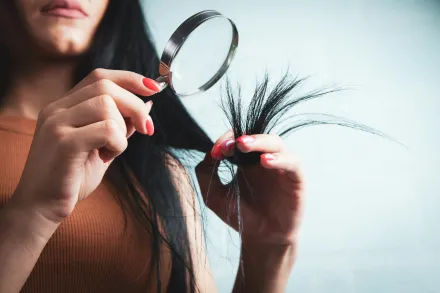
Mechanical damage from aggressive brushing, towel drying, or tight hairstyles can contribute to breakage and shorten the hair’s apparent length. Adopting gentler handling techniques reduces physical stress on the strands and the follicles that anchor them. When detangling, starting at the ends and gradually working upward helps to minimize pulling that can create stress lines or micro tears. Using a wide tooth comb or a brush designed to minimize snagging can make a meaningful difference in the overall condition of the hair. Drying methods also matter; air drying whenever possible reduces heat exposure, and if heat is used, a moderate temperature with a heat protectant can mitigate damage. For styling, consider loose, comfortable shapes that do not place excessive tension on the scalp, and avoid daily use of tight elastics that can create traction. Being mindful of how hair is tied, where it rests during sleep, and how accessories interact with the hair can preserve the integrity of both cuticle and cortex, helping strands retain moisture, elasticity, and strength between wash days.
Nutrition and hydration for hair growth
Nutrition provides the fundamental building blocks for hair growth, since follicles require a steady supply of energy and micronutrients to maintain the anagen phase and to support keratin production. A diverse diet that emphasizes quality proteins, essential fatty acids, vitamins, and minerals supports texture, resilience, and shine. Adequate protein intake furnishes the amino acids that form keratin, the primary component of hair fibers, while essential fats contribute to the lipid layers that shield hair shafts from moisture loss and environmental damage. Micronutrients such as iron, zinc, biotin, vitamin D, and selenium have been studied for their roles in hair follicle function, and while deficiencies can manifest as shedding or thinning, balanced intake through a varied diet or targeted supplementation under medical guidance is a prudent approach. Hydration is equally important; thirst signals can be a reminder of the body’s need for fluids that help transport nutrients and support scalp tissue health. A well hydrated scalp is better equipped to maintain a stable environment for growing hair, retain moisture within the hair shaft, and preserve flexibility, which reduces breakage under mechanical stress. Sustaining dietary quality over time, rather than chasing momentary diets, fosters a more reliable foundation for ongoing hair growth and vitality.
Vitamins, minerals, and supplements: nuanced use
Supplements can play a supportive role when dietary intake falls short of requirements or when a clinician determines a deficiency that could influence hair growth. It is important to approach supplementation with care, recognizing that more is not always better and that some products may interact with medications or medical conditions. Iron status, zinc balance, and vitamin D levels are among the nutrients frequently evaluated in relation to hair health. Biotin has attracted attention for its connection to keratin production, though evidence suggests benefits are most pronounced in individuals with a deficiency rather than in those with adequate levels. A physician or registered dietitian can guide decisions about appropriate doses and duration, and they can help monitor for potential interactions. The aim is to support a nutrient rich foundation rather than create a dependency on supplements, which should complement a balanced diet and healthy lifestyle rather than serve as a substitute for them. For those who choose to use supplements, selecting high quality, third party tested products and keeping a simple routine tends to reduce the risk of unnecessary adverse effects while preserving the body’s natural regulatory processes.
Hydration and scalp environment
The scalp environment is a dynamic interface where skin health, oil production, and microcirculation converge to influence hair growth. Adequate moisture helps to maintain the scalp barrier and prevents dryness that can contribute to flaking or itchiness, which in turn can lead to scratching or irritation. While over moisturizing the scalp is uncommon for most individuals, it is possible to develop a buildup of products if cleansing is insufficient, and this can create a harbor for debris that interferes with follicles. Using non irritant formulations and giving the scalp regular airings can support balance. Temperature and humidity also interact with scalp comfort; extreme conditions may affect oil production and encourage shedding or dullness. A calm, clean, and well ventilated scalp fosters a more stable base for hair to emerge with strength, and this environment dovetails with gentle handling and proper cleansing to sustain healthy growth patterns over time.
Hair care products and ingredient awareness
Product choices can influence the physical properties of hair as well as the condition of the scalp. Choosing mild cleansers, non drying moisturizers, and protective styling products helps to maintain elasticity and minimize breakage. Ingredients such as humectants, occlusives, and proteins play roles in moisture retention and structural reinforcement of the hair shaft, while silicones can provide slip and shine but may require careful cleansing to avoid buildup on certain hair types. Reading labels with a critical eye, considering the hair type and scalp needs, and rotating products to avoid dependency on a single formula can support a healthier cosmetic routine. In addition, avoiding harsh additives, aggressive sulfates, and heavy additives on a routine basis reduces the risk of irritation and long term damage. By aligning product choices with the specific needs of the scalp and hair, individuals can preserve natural texture, reduce frizz, and promote a more uniform appearance that reflects healthy growth and care.
Lifestyle factors that influence hair health
Beyond routine care and nutrition, lifestyle choices affect hair growth through mechanisms such as stress response, sleep quality, and exposure to environmental toxins. Chronic stress can alter hormonal patterns and may contribute to changes in the hair cycle, sometimes accelerating shedding or slowing the growth rate, whereas adequate rest supports recovery and ongoing cellular maintenance in the scalp and follicles. Regular physical activity enhances circulation, delivering nutrients and oxygen to hair follicles more efficiently, while also helping to regulate hormone levels and inflammatory processes that can impact scalp health. Sleep patterns, circadian rhythms, and consistent routines bolster systemic health and can translate into healthier hair over extended periods. Additionally, minimizing smoke exposure, reducing excessive sun exposure without protection, and shielding the scalp from harsh wind or dry air can help preserve cuticle integrity and prevent moisture loss that leads to brittleness. A holistic approach that embraces balanced movement, restful sleep, and protective measures against environmental stressors reinforces the conditions in which hair can grow with vitality.
Seasonal considerations for hair care
The seasonal cycle brings shifts in humidity, temperature, and indoor heating, all of which influence hair condition. In dry months, the hair is prone to becoming brittle and more susceptible to breakage, while in humid periods, moisture retention and frizz management become central concerns. Adjusting routines to accommodate these changes can protect growth and maintain appearance. This may include modifying cleansing frequency, selecting lighter or richer moisturizers, and providing additional protective measures whenever hair is exposed to environmental stressors such as sun, wind, or cold air. Protective styling during harsher months, along with targeted conditioning, can maintain internal moisture content and minimize surface damage. Emphasizing consistent care throughout seasonal transitions supports a stable growth pattern and keeps the hair looking healthy as environmental conditions evolve.
Professional treatments and medical considerations
For some individuals, professional guidance can illuminate aspects of hair growth that are not easily addressed with home care alone. Consultation with a dermatologist, trichologist, or trained stylist can reveal underlying conditions such as dermatitis, psoriasis, hormonal imbalances, thyroid issues, or hair follicle disorders that may influence growth and shedding. Medical evaluation can guide targeted interventions, including prescription therapies when indicated, and help to tailor a plan that aligns with overall health. When considering professional treatments such as scalp therapies, microneedling with caution, or other procedures, discussing goals, potential risks, recovery times, and compatibility with existing routines ensures informed decisions. The overarching objective is to nurture follicles in ways that complement medical advice and personal preferences, creating a sustainable pathway toward healthier hair growth rather than pursuing aggressive or risky options.
DIY routines and home care ideas
Many people discover benefits from simple, low risk routines that emphasize hydration, gentle handling, and nourishment. Home based practices can include moderate conditioning, careful air drying, and privacy conscious styling choices that reduce mechanical stress while maintaining a natural look. The concept of regularity is important; small, consistent adjustments over time can yield meaningful improvements in hair texture and strength. It is possible to explore scalp massaging techniques that promote circulation without causing irritation, along with leave in treatments that offer a light protective barrier to combat environmental dryness. The key is to select practices that feel sustainable and enjoyable, enabling adherence and reducing the likelihood of reverting to damaging habits. A gradual and mindful approach helps cultivate confidence in one’s abilities to influence hair health through everyday decisions rather than depending solely on external products or miracle solutions.
Common myths and evidence based clarifications
There is a wide array of beliefs about hair growth, and not all of them align with scientific understanding. It is common to encounter ideas about miracle doses of vitamins, rapid growth miracles, or universal remedies that work equally for every person. In truth, the reality is nuanced and varies widely among individuals. Hair growth is influenced by genetics, hormonal milieu, age, and overall health, making a universal solution unlikely. While certain deficiencies can impact growth and addressing them can yield benefits, there is no universal, rapid cure for hair growth that applies to all. A cautious approach that relies on reputable information, validated sources, and professional guidance helps separate reliable tactics from marketing hype. This section invites readers to maintain critical thinking, test safe practices, and observe how their own hair responds to adjustments over time, recognizing that sustainable progress tends to unfold gradually rather than through dramatic, unsustainable changes.
Environmental and ethical considerations in hair care
Modern hair care involves choices that reflect broader concerns about sustainability, animal welfare, and ethical production. Some individuals prefer products with cruelty free labeling, plant derived ingredients, or minimal synthetic additives, while others prioritize packaging reductions or recyclable materials. The care of hair can be woven into a lifestyle that values environmental responsibility without sacrificing effectiveness. Gentle formulations, responsible sourcing, and mindful consumption help align personal grooming with broader values. By selecting products and routines that minimize waste, support ethical manufacturing practices, and favor long lasting results, individuals can experience healthier hair while contributing to a more sustainable beauty culture. This broader perspective can empower readers to make informed decisions that reflect both personal wellness and environmental stewardship, creating a sense of harmony between self care and social responsibility.
Building a long term plan for healthy hair growth
Crafting a sustainable plan involves integrating knowledge about biology with practical lifestyle choices. It begins with establishing a consistent cleansing and conditioning routine tailored to hair type and scalp sensitivity, followed by a balanced approach to nutrition, hydration, stress management, and sleep. Regular monitoring of how hair looks and feels can guide adjustments to routines and product choices, helping to maintain momentum and adapt to seasonal changes or life events. By embracing a patient mindset, setting realistic expectations, and recognizing the gradual nature of hair growth, individuals can cultivate a framework that supports ongoing improvement. A long term plan also considers medical history and potential risk factors, ensuring that care remains safe and appropriate. The combination of science backed practices, mindful lifestyle decisions, and steady implementation gives rise to visible enhancements in hair strength, texture, and vitality while preserving the overall health of the scalp and follicles over time.
Frequently asked questions about healthy hair growth
Questions about hair growth often center on how quickly changes can be observed, what routines are essential, and how to balance scalp care with daily life. The answers emphasize that patience and consistency are essential, that addressing scalp health and nutrition creates a foundation for growth, and that avoiding harsh practices supports resilience. It is reasonable to seek professional assessment if shedding is sudden or excessive, if hair loss is accompanied by scalp symptoms, or if there is a noticeable change in texture or density that causes concern. In most cases, a well rounded approach focused on gentle care, adequate nutrient intake, protective styling, and a supportive lifestyle yields meaningful improvements over time, without requiring extreme measures or unsustainable routines. The overarching message is that hair growth is a journey that benefits from thoughtful planning, a willingness to adapt, and a respect for the body’s own rhythms and limits, which when honored, often manifests as healthier hair and a more confident complexion of overall well being.