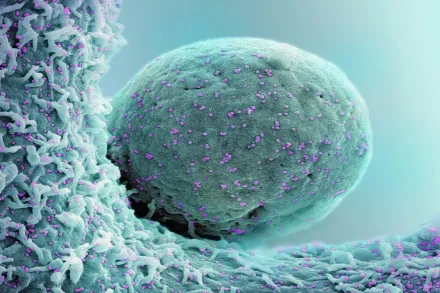
The field of tissue regeneration sits at the intersection of basic biology, clinical medicine, and bioengineering, and at its core lies the remarkable versatility of stem cells. These cells possess the dual abilities to renew themselves through self-renewal and to differentiate into diverse specialized cell types that form the tissues and organs of the body. The study of stem cells offers a window into how organisms maintain tissue integrity over time, how they respond to injury, and how artificially guided cellular processes can replace or rep...
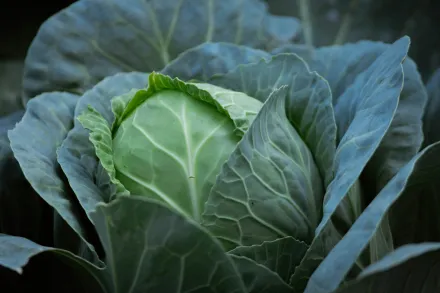
A balanced diet emerges from the everyday choices that people make about what they eat, how often they eat, and in what combinations those foods appear on the plate. It is not about rigid rules or deprivation, but about harmony among energy supply, nutrient diversity, and enjoyment. A well balanced approach centers on plenty of fruits and vegetables, a variety of whole grains, lean sources of protein, and a dependably healthy supply of fats that nurture heart and brain function. The idea is to create a pattern that supports growth, repair, and ...
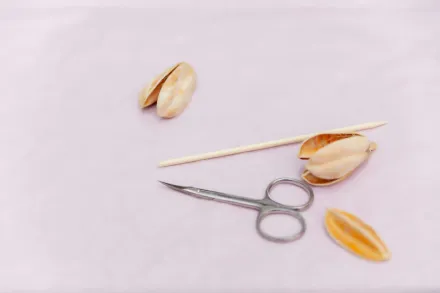
The cuticle is not merely a decorative edge around the nail; it is a living protective seal that helps defend the vulnerable nail bed from environmental hazards, drying air, and microbial intrusion. Deep beneath the surface, the cuticle forms a natural barrier that helps regulate moisture exchange and preserve the nail matrix, the tissue responsible for generating new nail cells. When the cuticle stays intact and supple, the surrounding nail plate remains better protected against cracking, splitting, and the typical daily wear that hands experi...
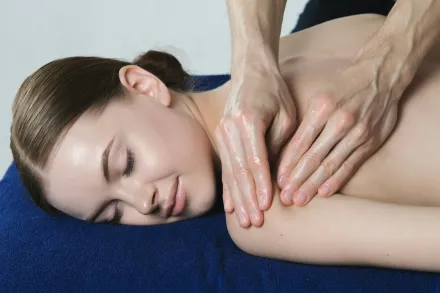
Relaxation is more than a momentary pause from daily demands; it is a state of bodily calm that allows the nervous system to transition from vigilance to ease, from tension to soft equilibrium, and from scattered attention to centered awareness. Massage therapy, in its many forms, serves as a bridge to this state by providing intentional touch, slow rhythmic movement, and a soothing context in which the body can release held patterns of stress. When a person lies on a comfortable table and a trained practitioner works with care, breath begins t...

Heart disease stands as a leading cause of suffering and disability across many populations, yet its trajectory is not fixed at birth. While genetics can lay the groundwork for how the heart and blood vessels function, the environment in which a person lives, the choices they make each day, and the opportunities they have to access medical care collectively shape the final outcome. In practical terms, risk factors for heart disease cluster into categories that include modifiable elements such as diet, physical activity, weight, blood pressure, ...

For decades, the cornerstone of cancer treatment rested on cytotoxic chemotherapy that indiscriminately attacked rapidly dividing cells. This broad strategy, while effective in certain contexts, often came with a heavy toll on patients. Nausea, fatigue, mouth ulcers, hair loss, and a spectrum of blood cell disorders could accompany tumor control, sometimes overshadowing the primary goal of eradicating malignant cells. The experience of patients undergoing traditional chemotherapy highlighted a fundamental tension in medicine: the pursuit of max...

Antibiotic stewardship refers to a set of coordinated strategies designed to improve the use of antimicrobial agents. Its aim is to ensure that individuals receive the right antibiotic, at the right dose, for the right duration, and via the appropriate route, while minimizing unintended harms and slowing the spread of resistance. Stewardship is both an ethical obligation and a practical program that intersects clinical care, public health, microbiology, pharmacology, and information science. At its heart lies the intent to preserve the effectiv...
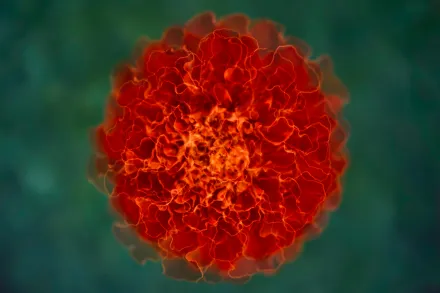
Turmeric has been valued for centuries in culinary and traditional medicine, celebrated for its vivid color, distinctive aroma, and a reputation for supporting vitality. In modern times, interest in turmeric has expanded beyond the kitchen into the realm of science and public health, where researchers seek to understand how this bright spice can contribute to immune resilience. The curiosity around turmeric arises not from a single miracle ingredient but from a constellation of bioactive compounds that interact with immune cells, inflammatory p...
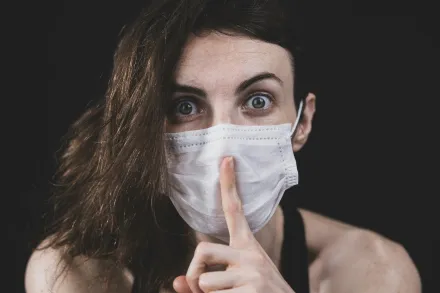
Infections arise when harmful microbes such as bacteria, viruses, fungi, or parasites breach the body's defenses and begin to multiply. While modern medicine provides tools to treat infections, many preventive strategies can be adopted through daily choices that strengthen the body's natural resilience. The aim of natural prevention is not to replace medical advice, but to support the immune system, reduce exposure to pathogens, and create conditions in which the body's defenses can operate more effectively. A comprehensive approach blends hygi...
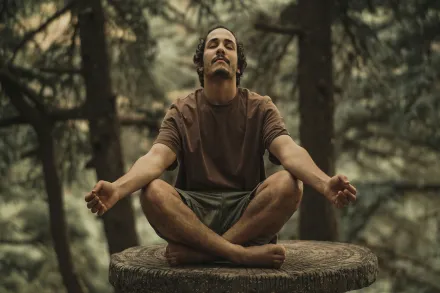
Mindfulness is not a magical cure or a single technique but a cultivated way of noticing what is happening in the body and mind with a steady, nonjudgmental awareness. In the context of chronic pain, mindfulness shifts the relationship between sensation and interpretation. Instead of automatically labeling every twinge, ache, or flare as a threat, mindful attention asks for curious observation, gentle acceptance, and a recognition that pain is a bodily experience that may coexist with moments of ease, even within ongoing discomfort. This shift ...