Hair growth is a complex biological process influenced by a tapestry of factors that range from biology and genetics to daily habits and environmental conditions. For many people, the desire to accelerate growth stems not only from aesthetics but also from the practical need to restore strength after damage from chemical treatments, heat styling, or environmental stressors. The journey to visibly longer and healthier hair is rarely about a single magic method; it is a coordinated approach that nourishes the hair shaft, supports the scalp environment, reduces breakage, and encourages the natural cycle of growth to function with fewer interruptions. When you approach growth as a holistic process, you create a sustainable pattern that improves overall hair quality and resilience while gradually increasing the length you can retain over time. This article will explore a comprehensive path that combines nutrition, scalp care, gentle styling, targeted treatments, and mindful lifestyle changes so that your hair can grow more efficiently and look healthier at every stage of its life cycle.
Understanding Hair Growth and Its Rhythms
To set realistic expectations, it helps to understand the cycle that governs hair growth. Hair follicles undergo three main phases: anagen, the active growth period that can last several years for scalp hairs; catagen, a short transitional phase where growth slows; and telogen, a resting phase during which hairs are shed and later replaced by new growth. The majority of healthy scalp hair resides in the anagen phase, which determines how long hair can become under optimal conditions. Factors such as genetics, age, hormonal balance, and overall health influence the duration of each phase and the rate of cellular activity within the follicle. When the anagen phase is shortened or the follicle experiences stress, hairs can shed earlier or break more easily, which makes growth seem slower even if the follicles are producing new strands. A stable internal environment supports follicle longevity, allowing hairs to spend more time in the growth phase and emerge with stronger, thicker diameters. By recognizing that hair growth is cyclic rather than instantaneous, you can frame your strategies around consistently nourishing the scalp, protecting the shafts, and minimizing disruptions that shorten the growth windows. Long, uninterrupted growth cycles yield longer strands and reduce the appearance of sparse areas, especially noticeable at the crown or along the hairline where damage from styling is most evident.
Nutrition and Hydration for Hair Growth
Nutrition plays a foundational role in hair health because the follicles rely on a steady supply of macronutrients and micronutrients to build keratin, the protein that makes up the majority of the hair strand. Adequate protein intake provides amino acids that the body uses to synthesize new hair; without sufficient protein, hair can become brittle and slow to grow. Alongside protein, vitamins and minerals such as biotin, zinc, iron, vitamin D, and essential fatty acids contribute to the integrity of the hair shaft, the strength of the follicle, and the integrity of the skin surrounding the scalp. Balanced hydration supports cellular processes and helps maintain scalp moisture, reducing flaking and irritation that can disrupt the scalp environment and indirectly influence growth. A thriving body pathway is supported by diverse, nutrient-dense foods that deliver a spectrum of micronutrients rather than relying on supplements alone. In practice, prioritizing a variety of vegetables, healthy fats from olive oil or fatty fish, legumes, whole grains, and lean proteins creates the nutritional milieu that supports hair growth over the long term. Hydration, meanwhile, helps maintain the elasticity of the hair and the resiliency of hair fibers, ensuring that new growth is not fragile or prone to breakage as it emerges from the follicle. When you couple high-quality protein with nutrient-rich vegetables, colorful fruits, and sources of omega-3 fatty acids, hair becomes more capable of withstanding daily stressors and can reach greater lengths before mechanical damage intervenes. The result is not only faster apparent growth but more robust and shiny strands that project vitality even before length is achieved.
Scalp Care, Hygiene, and Stimulation
The health of the scalp is the immediate environment in which every hair fiber is nurtured. A clean, balanced scalp reduces unwanted buildup that can clog follicles and impede hair emergence, while a well-hydrated scalp supports the adhesive and structural components of the follicle. Gentle cleansing that respects the natural oils helps maintain a protective barrier without over-stripping moisture, which can trigger compensatory oil production and potential irritation. In addition to cleansing routines, careful scalp stimulation with light massaging can increase local blood flow, delivering more oxygen and nutrients to the follicles and signaling cells involved in the growth cycle. The key is to combine frequency with gentleness, avoiding aggressive scrubs or rough rubbing which can inflame the scalp and create micro-traumas that compromise growth or promote breakage near the scalp. Certain natural oils, when used sparingly, can provide barrier support and frizz control without suffocating follicles or weighing hair down. A well-shaped scalp care routine creates an environment where follicles can operate with less stress, enabling hairs to move through the growth phases more smoothly and with fewer interruptions caused by irritation or dryness. Consistency in scalp care matters, because sporadic attention rarely yields long-term improvements; a steady, gentle approach fosters a steadier growth rhythm and overall hair health over months and seasons.
Gentle Styling and Protective Practices
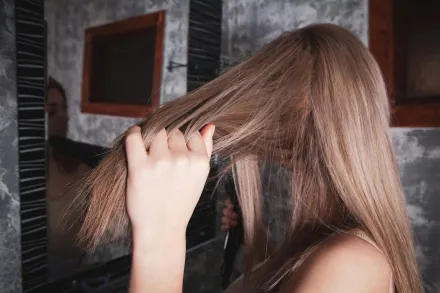
Hair styling habits can either support growth or contribute to breakage and length loss. Protective styles that minimize tension at the roots, reduce daily manipulation, and shield ends from friction help preserve length and strengthen the hair over time. The choice of fabrics for pillowcases and hats, the materials used in hair accessories, and the tightness of ponytails or braids all influence how hair holds up during daily wear and sleep. Heat styling introduces thermal damage that can debilitate hair fibers, especially at the most fragile regions of the strand. When heat is used, it should be at the lowest effective temperature and in conjunction with heat-protective products that form a barrier on the cuticle. Regularly giving hair a break from high-heat tools, chemical services, and aggressive brushing promotes a healthier growth environment. In addition, choosing gentle detangling techniques such as wide-tooth combs rather than fine-bristle brushes during wet conditions reduces stress on the fiber, helping to keep length intact as new growth emerges. By aligning styling choices with the goal of reducing breakage, you create a cumulative effect where more hair can reach longer lengths as the growth cycle progresses, and each strand has a better chance of surviving the journey from root to tip intact.
Topical Treatments, Scalp Massagers, and Selective Therapies
Targeted topical therapies can complement internal nutrition by addressing specific local needs such as microcirculation and follicular environment. Some products aim to improve blood flow to the scalp, while others provide conditioning and protective layers to the cuticle that prevent damage from daily wear. It is essential to approach topical interventions with critical evaluation and to be mindful of the skin’s tolerance; some agents can cause irritation or an allergic reaction if overused or applied incorrectly. When considering any additive product, it is wise to assess ingredients, concentration, and the compatibility with your hair type and scalp sensitivity. Scalp massagers can be a noninvasive method to encourage circulation during routine cleansing or conditioning, but they should be used gently to avoid pulling on the hair or disturbing the roots. In some cases, professionals may recommend specific serums or oils that favor nourishment of the scalp barrier and the health of the follicles, yet the key remains moderation, patch testing, and patience since results typically unfold over weeks to months rather than days. Integrating such therapies with a stable regimen for nutrition, hydration, and protection enhances the odds that the hair will maintain growth momentum and exhibit improved density and strength as it lengthens.
Lifestyle Habits That Support Hair Growth
Growth is not isolated to the scalp; it reflects the total functioning of the body. Adequate sleep supports hormonal balance, cellular repair, and metabolic efficiency that influence hair follicle activity during the night when the body undertakes many restorative processes. Regular physical activity improves circulation, delivering nutrients to the scalp more efficiently and helping to regulate stress hormones that can otherwise disrupt the growth cycle. Stress management becomes a practical component of growth strategies because chronic stress can lead to a higher shedding rate and a stall in the anagen phase for some individuals. Creating a routine that includes mindful practices, time for relaxation, and hobbies can reduce the inflammatory burden on the body and indirectly support hair growth. In this broader context, avoiding smoking and limiting alcohol consumption reduce oxidative stress and vascular strain, which can otherwise impair follicle performance. When lifestyle choices align with the physiological needs of hair growth, the environment around the follicle improves, contributing to longer periods of active growth and a stronger, more resilient hair shaft that can reach greater lengths before breaking. Over time, the cumulative impact of these lifestyle factors becomes evident in both the hair’s appearance and its actual growth potential.
Managing Hormones, Sleep, and Metabolic Health
The endocrine system plays a pivotal role in hair growth, mediating the balance of hormones that influence the life cycle of hair follicles. Hormonal fluctuations, whether due to age, medications, medical conditions, or stress, can shorten the anagen phase or accelerate shedding in some people. Maintaining a stable sleep schedule and healthy metabolic habits supports hormonal harmony and reduces the likelihood of spikes or dips that might affect hair growth indirectly. Nutrient timing, such as ensuring adequate intake of iron and zinc around meals and balancing carbohydrates with protein and healthy fats, can influence how energy is allocated to the hair-producing pathways. For some individuals, monitoring and addressing underlying hormonal concerns through professional medical guidance is part of a broader strategy to optimize growth, especially when hair thinning accompanies other symptoms like changes in weight, skin health, or energy levels. The aim is to support a resilient system in which follicles consistently receive cues that align with growth rather than signals that interrupt it, enabling longer, stronger strands to develop over successive cycles.
Common Myths, Realistic Expectations, and Patience
There are many widely held beliefs about hair growth that can mislead individuals into ineffective or counterproductive routines. Some myths overemphasize the speed of growth, suggesting dramatic changes within days, while others promote extreme products with dubious claims. Realistic expectations rest on the understanding that hair grows at a modest pace for most people, often around half an inch to an inch per month, with considerable variation. Consistency in nutrition, scalp care, and gentle handling yields gradual improvements that compound over months, not weeks. It is also important to recognize that hair growth is not uniform across the scalp; some areas may appear to gain length faster than others, and seasonal patterns can influence shedding and growth cycles. By focusing on sustainable habits, you create a foundation that supports gradual but meaningful changes in hair length, density, and overall health. As you monitor progress, it is useful to document experiences, noting what routines align with your hair type, how your scalp responds to different products, and how breakage changes as you adjust styling practices. The central idea is to replace quick-fix expectations with a thoughtful, long-term plan that accounts for the natural tempo of hair cycles and the individuality of each person’s physiology. Patience, consistency, and attention to the body’s signals are the most reliable tools for cultivating ongoing improvement rather than transient results.
Creating a Personal Hair Growth Plan
Developing a personal plan involves aligning your daily routines with the specific needs of your hair and scalp while monitoring changes over time. Start by assessing your hair type, texture, typical breakage points, and any sensitivities you notice on the scalp. Then identify practical, sustainable changes you can sustain for an extended period, such as a balanced meal pattern that includes adequate protein and micronutrients, a gentle cleansing routine that preserves moisture, and a rotation of protective styling that reduces mechanical stress. A plan also includes a deliberate approach to hydration, high-quality sleep, stress management, and moderate exercise that supports circulation. Tracking progress with simple notes about hair length, the condition of the ends, and the ease of detangling can reveal patterns that guide adjustments to products, timing, and routines. Given that some individuals respond differently to certain nutrients or topical treatments, tuning the plan with patience and openness to change is wise. The overarching objective is to cultivate a stable, low-stress environment for the hair and scalp, where the follicles can operate efficiently within the natural growth cycle. When such an environment is created and maintained, the cumulative effect manifests as stronger, longer hair over time, with reduced breakage and a more uniform, healthy appearance from root to tip.