The cold and flu seasons are recurring reminders that the human body operates within an intricate web of exposure, defense, and adaptation. While vaccines, antiviral medications, and professional medical care play important roles, a substantial portion of illness risk is shaped by everyday choices that influence immune readiness and the body’s capacity to repel invading pathogens. Natural strategies to prevent colds and influenza are not about a single magic bullet but about cultivating a resilient baseline through sleep, nutrition, movement, h...


Salt has long been a key player in cooking, shaping the immediacy of taste and guiding our perception of savoriness. Yet modern eating patterns often include sodium amounts that push the upper limits of what the body can handle comfortably, potentially contributing to hypertension and fluid balance challenges for some people. This does not mean flavor must be sacrificed; it means that flavor can be cultivated through a broader palette of techniques and ingredients. By appreciating how sodium interacts with our taste buds and how our brains regi...

Mindful living is not a distant discipline reserved for contemplatives in quiet rooms; it is a practical approach to engaging with daily life in a way that enhances clarity, reduces reactivity, and deepens a sense of connection to the world around us. At its heart lies the invitation to notice what is happening in the present moment with curiosity rather than judgment, to allow thoughts and feelings to arise without automatically acting on them, and to cultivate a steady ground from which ordinary experiences can be met with steadiness and care...
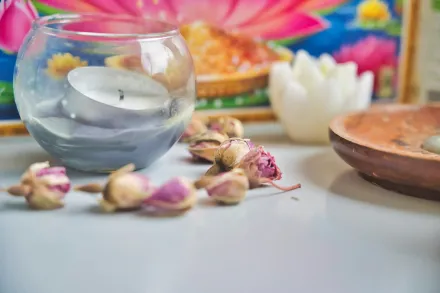
In exploring mental clarity, one considers alertness, sustained attention, working memory, and a sense of cognitive ease that allows ideas to flow without the constant distraction of mental fatigue or fog. Aromatherapy approaches this by engaging the sense of smell, which is directly connected to the brain’s limbic system and areas responsible for arousal, mood, and memory. When a person inhales a scent that resonates with biological patterns of wakefulness or calm focus, the brain may respond with a shift in neural signaling that supports clea...

Developing a positive mindset begins with recognizing that thoughts shape experience, and experience in turn shapes thought in a continuous loop. A positive mindset is not a naive refusal to acknowledge difficulties, but a deliberate stance that invites constructive interpretation and resilient response. It rests on the understanding that suffering and setback are not permanent conclusions, but interruptions in a longer story that can be redirected through awareness, choice, and practice. At its core, a positive mindset requires clarity about o...

The core is not merely a six pack to be carved absently through isolated crunching. It is an integrated system that binds the spine to the pelvis, links the upper and lower body, and coordinates breathing with movement. Within this system the local stabilizers operate at a very small level to hold the vertebrae steady, while the global structures provide dynamic support during every lift, stride, and twist. The transverse abdominis, internal obliques, multifidus, pelvic floor, diaphragm, and the gluteal and back muscles work in concert to creat...

Aromatherapy sits at the crossroads of scent, physiology, and lived experience, inviting a holistic perspective on health that honors both the body and the senses. It is not merely about pleasant fragrance but about how volatile plant compounds interact with our nervous system, immune defenses, and emotional life. When practiced with care, aromatherapy can become a gentle partner in daily health routines, offering support for mood, sleep, energy, focus, and a sense of grounded balance. The practice invites curiosity about which aromas resonate ...

Emotional balance is a dynamic state rather than a fixed plateau, a gentle equilibrium achieved through daily choices that influence how we respond to the world. In a culture that often celebrates speed, multitasking, and constant stimulation, the practice of yoga offers a patient alternative that invites awareness, steadiness, and a more compassionate relationship with inner experience. When people begin to explore yoga in its traditional sense, they discover that it is not merely a sequence of postures but a holistic approach to tuning the ne...

Speed and agility sit at the heart of athletic performance across a wide range of sports, from track and field sprints to basketball, soccer, rugby, and even combat disciplines. Improving them requires a thoughtful combination of technique, strength, coordination, and neuro-muscular efficiency. In this exploration, the focus is on practical strategies that athletes can apply within the framework of a well-structured training cycle. The aim is not merely to chase faster times in isolated drills but to build a robust system where strength, elasti...

Diabetes has become one of the most common chronic conditions worldwide, affecting hundreds of millions of people and placing a heavy burden on healthcare systems, families, and individuals. Among the many possible complications associated with diabetes, kidney disease stands out as a major cause of morbidity and, in severe cases, end stage organ failure that necessitates dialysis or transplantation. The relationship between diabetes and kidney disease is complex and multifaceted, involving metabolic, hemodynamic, inflammatory, and genetic fact...