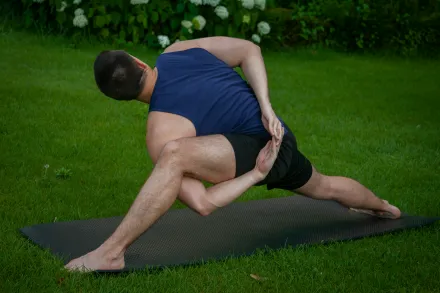
Stretching is a simple yet powerful practice that transcends age, activity level, and body type. When approached with care, it becomes a daily ritual that supports not only physical flexibility but also the way a person moves, breathes, and interacts with their environment. The idea of stretching often conjures images of athletes bending and reaching with impressive ease, yet the benefits of a consistent stretching routine reach far beyond athletic performance. Regular stretching can influence posture, comfort, circulation, range of motion, and even mood, creating a foundation for more capable movement in everyday life. A thoughtful plan that respects individual limits tends to yield gains that feel gradual yet meaningful, improving overall quality of life over time. For many people, stretching serves as a gentle gateway to better body awareness, reduced tension, and a more energetic approach to daily tasks that involve reaching, bending, twisting, or stabilizing the torso and hips.
What Stretching Really Means for the Body
To appreciate the benefits of regular stretching, it helps to understand what stretching does on a biological level. Muscles, tendons, ligaments, and the connective tissue surrounding them adapt to the demands placed upon them. When a stretch is applied, nerves and receptors relay information about length and tension, guiding the nervous system to adjust muscle tone. With consistent practice, the tissues become more compliant, allowing for a greater range of motion without triggering protective reflexes that cause abrupt resistance. This process is not simply about elongating fibers; it also involves the orchestrated action of fascia, joint capsules, and the small stabilizing muscles that support the spine and limbs. By gradually enhancing tissue pliability, regular stretching lowers the uphill friction that can hamper smooth motion during daily activities and athletic endeavors alike. In addition, improved mobility often accompanies a more efficient neuromuscular pattern, where the brain and muscles coordinate more effectively to move through space with less unnecessary effort.
Dynamic and Static Stretching: Different Roles in a Routine
Stretching is not a monolithic practice but a spectrum that includes several modalities, each with its own purpose. Dynamic stretching involves moving parts of the body through a controlled range of motion, typically as part of a warm-up to prepare muscles for activity. This approach can increase blood flow, elevate core temperature, and prime the nervous system for coordinated movement, supporting performance and reducing injury risk in dynamic tasks. Static stretching, by contrast, aims to lengthen muscles by holding a position for a period of time, encouraging tissue relaxation and increased tolerance to stretch. Both forms have a time and place within a well designed routine; dynamic work often leads into more focused static holds, and the order can influence how comfortable and effective the session feels. By incorporating both types in a balanced way, practitioners can cultivate readiness for movement while progressively expanding their flexibility over weeks and months.
Short-Term Physiological Benefits You May Notice
When stretches are performed regularly, several immediate sensations may arise. You might notice a reduction in muscular tension after a session, a sense of openness around joints, and gentler transitions between positions. Temperature and blood flow often rise in the muscles involved, bringing with them a mild warmth and a feeling of increased readiness to move. Some people report improved breath control during stretches, which can spill over into better overall breathing patterns throughout the day. Even small gains in range of motion can translate into a more comfortable experience when standing up after long periods of sitting or reaching for items on high shelves. While these effects can be subtle at first, they tend to accumulate with continued practice.
Long-Term Impacts on Posture and Core Stability
Over time, regular stretching supports the alignment of the spine and pelvis, which are central to maintaining an upright, balanced posture. By addressing tightness in the chest, hips, and hamstrings, a stretching habit helps to counteract the habitual patterns created by prolonged sitting or repetitive tasks. A more flexible torso and hips enable more efficient rotations and bends, reducing compensatory movements that can place stress on the lower back or neck. In parallel, some stretches target the core and stabilizing muscles around the pelvis, contributing to steadier postural control during daily activities and dynamic tasks alike. The cumulative effect tends to be a more resilient frame that carries less strain through the shoulders, neck, and hips during daily work and leisure.
Injury Prevention and Reduced Strain in Everyday Tasks
One of the most widely acknowledged benefits of regular stretching is its association with lower incidence of minor injuries and reduced strain during physical tasks. Flexible, well conditioned muscles and connective tissues tolerate gentle overstretching and awkward positions with less likelihood of micro tears or sudden tenderness. Consistent stretching can also improve joint play and the dampening of impact forces through safer deceleration during movement, which is particularly helpful for individuals who engage in walking, climbing stairs, lifting objects, or performing repetitive motions. Importantly, stretching should complement, not replace, general strength training and conditioning, since stable, well balanced musculature is essential for robust injury resistance. When integrated thoughtfully, stretching becomes a preventive measure that supports ongoing capacity to participate in activities with confidence and ease.
Affect on Muscular Tone and Perceived Comfort
Flexibility does not negate strength; instead, it supports the body’s ability to use strength more efficiently. Regular stretching can facilitate a more balanced muscular tone, preventing the formation of tight bands that pull on joints or cause friction during movement. People frequently describe leaving stretches with a gentler sense of muscle tone and a greater tolerance for stiffness without feeling immobilized by it. The effect can reduce the constant subconscious tension that accumulates from day to day, allowing a person to approach tasks with less habitual stiffness and more fluidity. Over time, such improvements to muscular comfort contribute to an overall sense of well being and a more positive association with movement.
Breathing, Relaxation, and Mental Clarity
Stretching and breathing are intimately linked in many routines. Deep, controlled breathing engages the parasympathetic nervous system, signaling a relaxation response that can soften muscular tension and quiet the mind. This pairing often produces a noticeable lift in mood and a clearer mental state after a session. The rhythmic nature of stretching can also foster mindfulness, inviting attention to body signals and the experience of being present in the moment. For people who carry daily stress from work, family responsibilities, or other pressures, a quiet stretching practice offers a practical, accessible method to unwind and recharge.
Circulation and Tissue Health
Regular stretching can influence circulation in meaningful ways. By gently lengthening muscles and fascia, stretching enhances blood flow to several regions of the body, supporting the delivery of oxygen and nutrients while accelerating the removal of metabolic waste products. Improved circulation sustains tissue health during recovery from workouts and daily micro stresses alike. In addition, some stretches involve longer holds or targeted movements that encourage lymphatic drainage and venous return, contributing to a sense of lightness and vitality after a session. The combined effects often translate into a more energetic glow and quicker warm-up responses during subsequent activity.
Impact on Sleep and Recovery
Stretching can be a helpful component of a wind-down routine that supports sleep quality. By alleviating residual muscular tension and signaling relaxation through breathing, stretching may ease the transition from wakefulness to rest. People who integrate light stretching before bedtime sometimes experience a smoother onset of sleep and reduced nighttime awakenings, particularly when the stretches focus on the major muscle groups that tend to accumulate tension during the day. Recovery from workouts can also benefit from stretching as it helps to maintain range of motion, reduce stiffness, and promote a sense of readiness for the next training session.
Enhancement of Sports Performance and Daily Activities
Stretching plays a practical role in performance across a spectrum of activities, from recreational sports to structured training programs. A wider, more reliable range of motion can improve technique, balance, and tempo in movements such as squats, lunges, strides, and turning motions. For nonathletes, stretching supports daily life by facilitating easier bending to tie shoes, reaching into cabinets, or lifting a bag from the floor. The benefit arises not merely from lengthening muscles but from training the brain to coordinate muscles through more fluid and controlled ranges of motion, which reduces the energy cost of certain tasks and helps sustain endurance over time.
Adaptation Across the Lifespan: Flexibility as a Public Health Asset
Flexibility tends to change with age, sometimes diminishing due to natural changes in tissue properties, activity levels, and biomechanics. However, regular stretching can slow this decline and help preserve functional mobility into middle age and beyond. A long-term routine contributes to the ability to perform essential tasks such as getting in and out of a car, kneeling, or stepping over an obstacle with less risk of strain. Importantly, stretching is a scalable practice; it can be adjusted to fit a person’s current level of mobility, fitness goals, and any existing medical considerations, making it accessible to a broad segment of the population.
Incorporating Stretching into a Busy Schedule
For many people, the challenge lies not in understanding the benefits but in finding time to stretch consistently. A practical approach is to structure a short, focused routine that can be performed in a few minutes between tasks or after waking up. The key is consistency rather than length; even brief sessions practiced daily can yield measurable improvements over weeks and months. It can be helpful to anchor stretching to natural transitions in daily life, such as the moment after waking, before or after meals, or before heading to bed, to create a reliable rhythm that supports ongoing tissue health and range of motion.
Areas of the Body to Target for Balanced Mobility
Balanced mobility means addressing both major muscle groups and the joints they influence. The hips, hamstrings, calves, chest, shoulders, and neck often hold tension that influences posture and movement. The spine, including the lower back and thoracic region, benefits from gentle twists and extensions that encourage mobility without compromising stability. The ankles and wrists also deserve attention, as their mobility can impact gait, balance, and daily tasks. When planning a routine, aim for coverage across these regions to promote comprehensive flexibility that supports symmetrical movement and functional performance.
Safety Considerations and Common Mistakes to Avoid
Stretching should feel like a controlled and comfortable exploration of range of motion, not pain. Sharp or radiating sensations are signals to ease back, reduce intensity, or stop and seek guidance. It is important to maintain good posture during stretches, avoid bouncing, and listen to the body's feedback. People often err by forcing deeper ranges too quickly or neglecting warm-up before static holds, which can elevate the risk of strains. A mindful approach prioritizes gradual progression, patience, and consistent practice, recognizing that tissue remodeling occurs over time and requires a compassionate, patient mindset.
Designing a Personal Stretching Plan
Crafting a personal plan begins with an honest assessment of current flexibility, daily routines, and any medical considerations. The aim is to create a sustainable program that gradually increases range of motion while preserving safety. A balanced plan includes a mix of dynamic movements to prepare the body for activity and static holds to promote length and relaxation. It should also incorporate breath control, which helps deepen the stretch and improve overall comfort. As you adapt, you can vary intensity, duration, and target areas to reflect progress and shifting goals, always keeping at the core a respect for the body's limits and signals.
Stretching and Mindful Movement in Everyday Life
Beyond the formal routine, weaving small stretches into daily life can amplify benefits without demanding large blocks of time. Gentle pauses to rotate the torso, tilt the neck, or flex the ankle can help maintain mobility during long workdays or travel. Mindful movement also invites a deeper connection with how the body feels in space, encouraging better posture, more aware breathing, and a sense of control over everyday physical experiences. The cumulative effect of these micro practices is a body that feels more integrated, stable, and capable in various environments.
Stretching for Special Populations
Different groups may have unique goals and considerations when integrating stretching into their routines. Older adults often benefit from a cautious approach that emphasizes joint health, balance, and safe movements that consider osteoporosis or arthritis risk. Athletes may prioritize dynamic warm-ups and sport-specific ranges of motion to support performance while maintaining tissue integrity. Office workers or students who spend long hours seated can counteract the consequences of sedentary time by focusing on hip openers, chest openers, and spine mobility. Across these populations, the core idea remains the same: regular, attentive practice supports health, function, and a practical sense of ease in daily life.
Broadening the Scope: Nutrition, Hydration, and Recovery Synergy
Stretching does not operate in a vacuum. Adequate hydration and balanced nutrition support tissue elasticity and recovery, while sleep quality enhances tissue repair processes. When planning a stretching routine, some people find it helpful to align stretches with recovery strategies learned in broader fitness programs, such as post-workout cool-downs that emphasize gentle ranges of motion and breathing. This synergy helps tissues recover more effectively and maintain consistent progress over time, reinforcing the habit as a holistic aspect of a healthy lifestyle.
Myths About Stretching Debunked
Several common beliefs about stretching persist, yet not all are supported by evidence. Some people think stretching reduces performance in the moment, particularly when applied incorrectly or in the wrong context. When integrated as part of a well designed program, stretching can enhance comfort, mobility, and recovery rather than hinder them. Other myths suggest that stretching is dangerous for older adults or that it must be painful to be effective. In reality, the most reliable approach respects individual limits, focuses on gradual adaptation, and foregrounds safety and consistency.
Stretching in a Community or Family Context
Practicing stretching with others can enhance motivation and make routines more enjoyable. Group settings for gentle mobility sessions or family eligibility for participation can nurture a shared commitment to health. When stretching becomes a social activity, it often helps sustain momentum, fosters accountability, and creates positive associations with movement that extend beyond the individual practice. The social dimension of movement is a meaningful amplifier of the physical benefits, contributing to long term adherence and personal satisfaction.
A Gentle, Practical Routine to Start Today
For someone beginning a stretching habit, a simple, approachable framework can be highly effective. Start with a brief warm-up that invites light movement through major joints, then progress to a small set of static holds targeting the hips, chest, shoulders, and spine. A few breath cycles per stretch help deepen the release and prevent discomfort. The key is to keep the effort comfortable and to progress gradually, tracking how each session feels rather than focusing solely on duration or depth. With routine and patience, gains accrue over weeks, creating a reliable platform for more ambitious mobility work in the future.
Touchpoints: How to Measure Progress Without Pressure
Progress in flexibility often feels elusive at first, but several signs can indicate favorable change. Enhanced ease when bending forward, reaching the arms overhead, or turning the torso can signal improved tissue length and joint tolerance. Noticing that routines start to feel more permissive rather than restrictive is another important cue. Equally valuable is recognizing a reduction in muscular stiffness after sedentary periods, which can translate to smoother posture during daily tasks. Tracking these qualitative changes over time can provide motivation and clarity without turning stretching into a stressful performance measurement.
Closing Reflections: Integrating Stretching with Overall Wellness
Regular stretching is a versatile, accessible practice that complements strength, cardio fitness, balance work, and mental health strategies. When applied consistently and with attention to personal limits, stretching becomes a sustainable contributor to mobility and vitality. The habit can influence daily comfort, athletic readiness, and resilience in the face of physical demands. While individual experiences vary, the overarching theme remains the same: even modest, steady investments in tissue length and neuromuscular coordination can yield meaningful, meaningful benefits over time. By embracing a patient approach and honoring the body's feedback, a person can cultivate a stretching practice that serves as a durable asset in a long and active life.