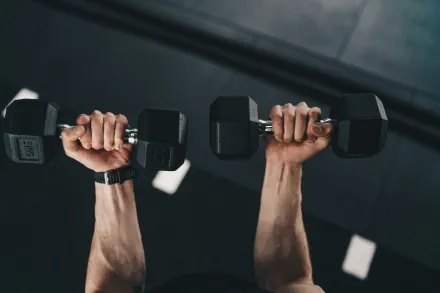
Arm strength is a blend of muscle size, neural efficiency, connective tissue resilience, and postural coordination that allows the upper limbs to push, pull, grip, and stabilize with increasing force. When a person aims to improve this quality rapidly, the approach must honor both physics and physiology, balancing load with recovery and aligning technique with intent. The journey begins with an understanding of how the arm muscles work as a system, how they interact with the torso and back, and how proper stimulus drives adaptation without invi...

The eyes are remarkable organs that transform light into the images we perceive, and their well being hinges as much on daily habits as on chance. Nutrition plays a crucial role in maintaining comfortable vision, protecting delicate tissues from oxidative stress, and supporting the intricate machinery that keeps our sight clear across the years. A thoughtful approach to eating can nourish the retina, support the surface of the eye, and help slow some common age related changes. This article explores how diet influences eye health, the key nutri...

Postpartum depression is a condition that extends beyond the routine fatigue and emotional swings that can accompany the arrival of a new baby. It is a clinical mood disorder characterized by a persistent low mood, a sense of being overwhelmed, and a diminished ability to enjoy daily activities that once held meaning. In the early days and weeks after birth, hormonal changes, sleep deprivation, and the responsibilities of caring for a newborn can interact with personal history, social support, and environmental stressors to set the stage for de...

Osteoarthritis is a common condition that affects the joints, gradually wearing away protective cartilage and altering the way bones interact. For many people, the day to day experience of this disease includes episodes of increased pain, stiffness, swelling, and a sense that movement is harder than usual. These episodes, often called flare-ups, can be unpredictable and distressing, making it tempting to retreat from activity and routine. Yet, with careful attention to daily habits and a thoughtful approach to movement, nutrition, sleep, and st...

Healthy eating over time begins not with a rigid mandate but with a clear understanding that nourishment is a sustainable relationship with food rather than a temporary assignment. When you view eating as something that supports energy, mood, and longevity, you create a foundation that can absorb the inevitable fluctuations of life. This shift from diet to daily practice changes the tone of your decisions from punitive to curious, inviting you to explore what truly nourishes your body and mind. It also reduces the sense of sacrifice, turning me...

In the rhythm of many workplaces, the seasons bring shifts in workload, travel demands, and social interactions that can influence how often someone feels unwell. Sick days are not merely personal setbacks; they affect team momentum, project timelines, and the overall health culture of a company. When illness spreads or when fatigue compounds, even a single absence can ripple through collaborators who rely on a steady workflow. Recognizing the broader consequences helps cultivate a proactive mindset where prevention and early care become a norm...
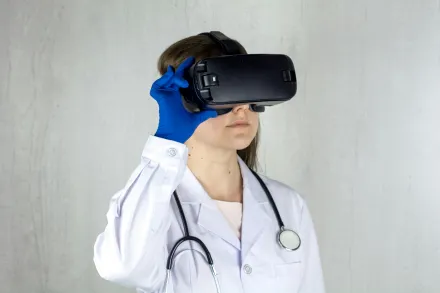
In modern healthcare, patient engagement is a critical determinant of outcomes, satisfaction, and adherence. Virtual reality offers a new set of tools that transform passive receipt of information into active participation. By simulating immersive environments, VR makes complex medical concepts tangible, reduces anxiety, and fosters a collaborative dynamic between patients and clinicians. This technology does not replace traditional education or bedside conversations; it augments them by creating experiential moments where feelings, risks, and ...

Quality of life is a broad and personal concept that extends beyond the absence of disease. It encompasses daily functioning, energy, comfort, and the capacity to engage in activities that give meaning. When surgery is considered, people weigh how a procedure could shift this balance by reducing discomfort, restoring movement, or resolving conditions that otherwise confine them to a limited routine. Surgeons and patients often discuss quality of life not as a single metric but as a tapestry of experiences influenced by physical, emotional, and ...
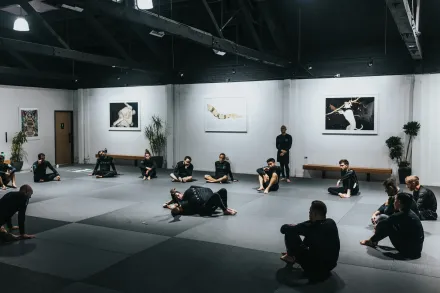
Group fitness classes offer more than just a workout routine; they create an environment where effort is shared, progress is visible, and motivation is contagious. In a world where individual workouts can feel repetitive and sterile, joining a class provides structure, guidance, and a social setting that keeps people engaged over time. The concept rests on a simple principle: people tend to perform better when they are part of a collective effort and when the coach or instructor designs sessions that blend challenge with attainable goals.

Functional movement has long stood as a reference point for evaluating how exercise translates to real life. In the earliest practices of strength and conditioning, trainers observed that exercises which mirrored everyday tasks—lifting, carrying, squatting, pushing, pulling, and twisting—produced benefits that felt tangible beyond the gym walls. The term functional movement does not imply a mystical separation from other training modalities; rather it emphasizes movements that harmonize mobility, stability, strength, and coordination to improve...