Antibiotics are chemical compounds or medicines produced to fight bacteria. They are designed to target the processes that allow bacteria to live, multiply, and cause disease, while minimizing damage to human cells. The goal of antibiotic therapy is not to wipe out every microscopic organism in the body but to reduce the population of harmful bacteria to a level that the body's own defenses can manage. In many infections, appropriate antibiotic treatment can shorten illness, prevent complications, and reduce the spread of contagion. Yet antibio...


Detoxification is a process widely discussed in health circles, yet its true essence rests on how the body handles toxins, waste products, and metabolic byproducts that accumulate over time. At the core of detoxification are the liver and kidneys, organs that work with the gut and skin to filter, neutralize, and remove unwanted substances. Diet plays a powerful supporting role, not by magical quick cures but by supplying nutrients that bolster the body’s natural pathways. A thoughtful approach to eating can help maintain a steady flow of blood ...

Hormones are chemical messengers that travel through the bloodstream to reach distant organs and tissues, where they bind to specific receptors and trigger a cascade of cellular responses. This signaling system coordinates growth, metabolism, reproduction, mood, and energy balance, creating harmony among various body systems. Hormone therapy seeks to adjust the body’s signaling networks so that they align with healthy biological needs or therapeutic goals. In order to do this effectively, it is essential to understand that hormone action is not...

Cancer is a term that covers a vast and diverse group of diseases characterized by the abnormal growth of cells that can invade surrounding tissues and spread to distant parts of the body. Although all cancers share certain hallmarks such as unchecked cell division and resistance to normal growth controls, the specific behaviors, origins, and responses to treatment vary widely. This complexity reflects the idea that cancer is not a single disease but a collection of disorders arising from genetic and epigenetic changes in cells of different tis...
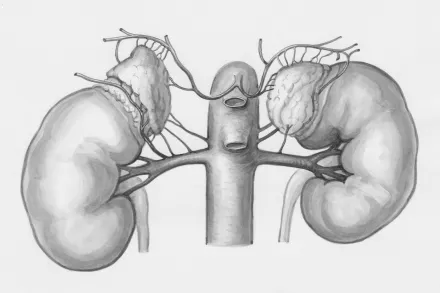
The kidneys are remarkable organs that filter waste, balance fluids, regulate minerals, and help control blood pressure, all while supporting the body's internal stability. They operate silently for years, and when problems begin, the early signs can be subtle. Recognizing these signs early is essential because it opens the door to timely evaluation, lifestyle adjustments, and potential treatments that can slow the progression of kidney disease or prevent further damage. This article explores the spectrum of early indicators, how they manifest ...
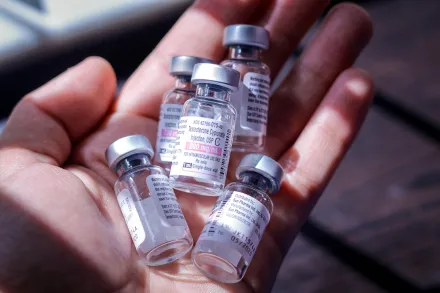
Vaccines are among the most effective tools in modern medicine, capable of preventing serious illnesses and shaping population health over generations. The potency and safety of vaccines depend not only on their science and development but also on meticulous handling from the moment they are produced until they reach the hands of the person who will receive them. This article explores the intricate practices involved in storing vaccines correctly, preserving their effectiveness, and delivering them to patients through precise and careful admini...

In recent decades, virtual reality has moved from a novelty used primarily for gaming into a clinically relevant tool for pain management. The core idea is that immersive environments can alter the way the brain processes nociceptive signals and modulate the emotional responses that accompany pain. Clinicians describe VR as a powerful attentional and emotional distraction mechanism, yet its effects extend beyond momentary disengagement. When patients don head-mounted displays and are transported into engaging scenes, their sensory attention shi...

Diabetes imposes a sweeping burden on individuals, families, and health systems around the world, and yet its onset often unfolds in a stealthy manner before classic diagnostic thresholds are crossed. The two most common forms, type 2 and the insulin-dependent type 1, share the challenge that many people remain asymptomatic for years even as metabolic disruptions accumulate. In this context, the promise of artificial intelligence to detect signals of growing dysglycemia earlier than conventional screening offers a path toward preventing complic...

Sleep is not merely a passive state of absence of wakefulness; it is a dynamic process driven by a finely tuned balance between brain activity, hormonal signals, and bodily rhythms. When the mind remains caught in loops of worry, rumination, or anticipation, the body often stays in a state of heightened arousal that makes it difficult to drift into sleep or to stay asleep through the night. Meditation offers a gentle bridge between wakefulness and rest by training attention, reducing automatic reactivity, and reshaping the patterns of thought t...

Vitamin D is a fat soluble secosteroid that behaves like a hormone more than a vitamin in its actions. It exists in two major forms: vitamin D2 from plant and fungal sources and vitamin D3 synthesized in the skin in response to ultraviolet B radiation from sunlight, with small contributions from dietary sources. The liver hydroxylates vitamin D to form 25-hydroxyvitamin D, the major circulating form that is typically measured to assess status. The kidney and other tissues can produce the active hormone 1,25-dihydroxyvitamin D, also known as cal...