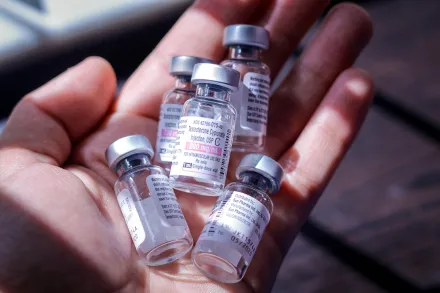
Vaccines are among the most effective tools in modern medicine, capable of preventing serious illnesses and shaping population health over generations. The potency and safety of vaccines depend not only on their science and development but also on meticulous handling from the moment they are produced until they reach the hands of the person who will receive them. This article explores the intricate practices involved in storing vaccines correctly, preserving their effectiveness, and delivering them to patients through precise and careful administration. It will illuminate why temperature stability, sanitation, documentation, and proper technique matter as much as the biological design of the vaccines themselves, and it will discuss how these elements come together in clinics, hospitals, and outreach programs to form a reliable and resilient vaccination system.
The Cold Chain: Temperature Control and Storage
At the core of vaccine storage is the cold chain, a continuous sequence of temperature-controlled environments and procedures designed to keep vaccines within specified ranges from production to administration. The goal is to maintain potency while preventing degradation that could reduce effectiveness or alter safety profiles. Most vaccines require refrigeration within a narrow band, commonly around two to eight degrees Celsius, with exceptions that demand more stringent measures. When a vaccine is exposed to temperatures outside its recommended range, several adverse outcomes can occur, including diminished immune response, changed appearance or consistency, or in rare cases, user-reported adverse events that stem from compromised products. The cold chain also has to account for a sophisticated plan to manage storage during transport, handling, and temporary storage in care facilities where clinical operations occur, ensuring that no lapse interrupts the protective properties of the vaccine.
Ultra-cold storage is a phrase that often appears in discussions of cutting-edge vaccines. Some mRNA vaccines have historically required much lower temperatures for long-term storage, sometimes approaching ultra-cold ranges, while others can be stabilized for longer periods at standard freezing or refrigerated conditions with validated handling. The existence of such requirements influences how facilities design their equipment, how they monitor temperature in real time, and where they position storage units within a building to minimize exposure during routine access. The overarching principle remains unchanged: vaccines must stay within a validated temperature envelope, and any deviation should trigger predefined actions to protect recipients and preserve vaccine integrity.
Storage Equipment and Facility Design
Healthcare facilities rely on purpose-built storage equipment that is designed to maintain steady temperatures and protect vaccines from temperature shocks. Refrigerators and freezers used for vaccines are typically dedicated units with sealed doors, robust insulation, and optimized air circulation to avoid temperature stratification. The internal layout matters; vaccines should be organized to minimize door openings and to facilitate orderly access without compromising the temperature stability of other products. Facilities often install separate units for ambient storage and for the cold chain, along with temperature probes placed at strategic locations inside each unit and connected to a monitoring system that records readings at regular intervals. A well-planned layout also considers staff workflow so that accessing vaccines does not inadvertently extend exposure to warm room temperatures or cause unnecessary temperature fluctuations during handling.
Facilities must have backup power arrangements, such as automatic connections to reliable electrical sources or emergency generators, to ensure continuous operation during outages. Alarm systems alert personnel when temperatures drift beyond acceptable thresholds or when power fails, enabling rapid response. Proper shelving, clear labeling, and separation of vaccines by type and manufacturer help prevent mix-ups and ensure traceability. Physical security measures, including restricted access and tamper-evident seals, contribute to maintaining vaccine integrity and protecting communities by preventing unauthorized handling. When design choices align with recognized standards, the risk of storage-related potency loss becomes far smaller, allowing clinicians to focus on delivering vaccines safely and accurately.
Monitoring, Documentation, and Inventory Control
Continuous temperature monitoring is essential for maintaining vaccine potency. Modern facilities often use digital data loggers or continuous monitoring systems that provide real-time readings, trending, and automatic alerts if temperatures approach or exceed defined limits. These systems feed into documentation that records daily minimum and maximum temperatures and may integrate with electronic health records to keep a comprehensive audit trail. In addition to temperature data, inventory records track lot numbers, expiry dates, and the location of each vial or dose, enabling precise stock management and recall readiness. A practice often emphasized in vaccination programs is FEFO, or first-expire, first-out, which helps ensure that vaccines nearing their expiration dates are used promptly, reducing waste and maintaining safety. Accurate record-keeping supports pharmacovigilance, quality assurance, and regulatory compliance while enabling rapid intervention if a vaccine lot is ever flagged for safety concerns.
Vaccine vials frequently feature a vaccine vial monitor or VVM, a color-changing label that provides a visual indicator of cumulative heat exposure. VVMs are valuable tools for frontline staff because they offer an immediate sense of whether a vial has likely retained potency, even if the external appearance seems normal. Barcodes or QR codes accompanying each vial facilitate traceability, enabling clinics to check supply chains, verify authenticity, and quickly retrieve information about storage history. Names of vaccines, manufacturers, and lot numbers appear in the documentation, supported by expiry dates and storage instructions. This integrated approach to monitoring and documentation creates a robust framework for safe administration and efficient vaccine management, while also supporting research and surveillance through accessible data trails.
Transport and Handling of Vaccines
Transport is a critical phase in the vaccine life cycle, requiring specialized packaging, temperature control, and careful handling. During outbound shipments from manufacturing facilities and inbound deliveries to clinics, vaccines ride in insulated containers designed to reduce heat transfer and protect against temperature fluctuations. Some shipments rely on gel packs or phase-change materials to maintain a stable temperature for a defined period; others may employ dry ice for ultra-cold vaccines, following strict guidelines on handling and venting to avoid excessive cold exposure or pressure buildup. It is essential to minimize the duration of exposure to ambient temperatures during loading and unloading, and to verify that transport conditions align with the storage requirements for each product. Documentation accompanies shipments, confirming lot numbers, temperatures during transit, and the status of each container upon arrival.
On arrival at a vaccination site, staff verify that the receiving temperature is within acceptable ranges and that the packaging has remained intact. A careful inspection of the external packaging, the indicator for temperature exposure, and the general condition of each item ensures a quick but thorough assessment before vaccines enter the cold chain at the facility. Handling practices emphasize asepsis, minimal movement of vials, and avoidance of contamination by dust, moisture, or direct contact with surfaces that could compromise sterility. Transport protocols also address safety for staff, including recommendations on personal protective equipment when dealing with biologic products and the safe disposal of materials that have contacted vaccines. The goal is to preserve product integrity at every step while ensuring efficient service delivery to patients and communities in need.
Preparation for Administration
Before an injection, vaccines undergo preparation steps that must be performed with attention to sterility and compatibility. Some vaccines arrive as ready-to-use solutions, while others require reconstitution with a specified diluent under clean conditions. When reconstitution is necessary, staff verify that the diluent is the correct type for the vaccine, check the expiration of both the vaccine and the diluent, and follow precise instructions for mixing to ensure uniform dispersion without introducing air or particulate matter. Once prepared, vaccines are inspected for signs of particulate contamination or unusual coloration, and discarded if any irregularities are observed. The use of aseptic technique is paramount during handling, so hands are washed, surfaces are cleaned, and vials or syringes are kept sterile until injection. Time limits after reconstitution or puncture are respected to minimize potency loss and the risk of contamination, and staff ensure that any remaining portions are stored or disposed of according to policy and regulatory guidance.
During preparation, the choice of syringe and needle is aligned with the route of administration and the patient’s age or body habitus. The aim is to deliver the prescribed dose accurately while minimizing discomfort and tissue injury. After drawing up the vaccine, clinicians verify the dose volume, remove air bubbles if necessary, and re-check the patient’s record for any contraindications or recent illnesses that might require delaying vaccination. The environment remains clean, with surfaces and equipment maintained according to standard operating procedures, and staff follow local guidelines about handling patient information and privacy during the vaccination encounter. This precise choreography of preparation, verification, and administration underpins reliable immunization outcomes across diverse settings.
Routes of Administration and Dosing
Vaccines reach recipients through a range of routes, each selected based on the vaccine’s design, its immunological goals, and practical considerations. The most common route is intramuscular injection into the deltoid muscle of the upper arm for adults and many older children, a site chosen for its accessibility and favorable absorption characteristics. Infants and young children are sometimes vaccinated in the anterolateral thigh, which offers robust muscle mass and ease of access in smaller patients. Subcutaneous administration, inserted into the fatty tissue beneath the skin, is used for certain vaccines where this route optimizes immune response or reduces local reactogenicity. Some vaccines are delivered orally, allowing the intact vaccine to be absorbed through the gut-associated lymphoid tissue or to stimulate mucosal immunity directly in the digestive tract, while intradermal administration mixes a shallow injection into the skin to provoke a targeted immune reaction. In rare cases, intranasal sprays or other mucosal routes are used to engage localized immunological processes that complement systemic responses.
Each vaccine has a recommended dosing schedule that includes the number of doses, intervals between doses, and any catch-up rules for individuals who missed a scheduled vaccination. Dosing sizes are carefully calibrated for age, weight, and sometimes prior immunization status, ensuring sufficient immune priming without unnecessary excess. Clinicians consult current guidelines from national public health authorities and vaccine manufacturers to determine the appropriate route and dosage for a given patient or population segment. They also consider any precautionary measures such as temporary delays following moderate illnesses or current pregnancy status when relevant to the product. The emphasis is on delivering a safe, effective, and timely immunization experience that respects patient autonomy and aligns with public health objectives, while maintaining flexibility to address exceptional circumstances in real-world practice.
Syringes, Needles, and Safety Practices
The equipment used to deliver vaccines—syringes and needles—must meet stringent standards for sterility, compatibility with the vaccine, and user safety. Needle length is chosen to reach the appropriate muscular or subcutaneous tissue, with shorter needles often used for adults with lean tissue and longer needles reserved for individuals with more substantial subcutaneous fat or smaller muscle mass in pediatric populations. The gauge, or thickness, of the needle also influences the ease of penetration and patient comfort. A key emphasis is the use of safety-engineered devices that minimize the risk of needlestick injuries for health workers, along with clearly marked sharps disposal containers to facilitate safe waste management after each administration. Single-use devices reduce the chance of cross-contamination and ensure that each patient receives a sterile, appropriately prepared instrument for their vaccination. Comprehensive training underpins all these measures, ensuring that staff are proficient in selecting the correct equipment for each situation and in applying best practices consistently across diverse settings.
In addition to equipment, administration practices include preparing the patient for the injection, selecting the appropriate site, and adopting a technique that minimizes discomfort and tissue damage while ensuring optimal vaccine delivery. Clinicians verify the patient’s identity and vaccine record, confirm any allergies or prior adverse reactions, and counsel about potential short-term side effects and what to monitor after vaccination. Proper disposal of consumables, immediate cleaning of the injection site if needed, and documentation of the dose administered contribute to a safe and transparent vaccination process. When these elements converge, patients experience a reliable, respectful encounter that reinforces confidence in immunization programs and supports ongoing public health gains.
Quality Assurance, Training, and Standard Operating Procedures
Quality assurance in vaccination programs encompasses ongoing training, standardized procedures, and routine audits to ensure that every step—from storage to administration—meets established safety and efficacy criteria. Training covers the fundamentals of cold chain management, aseptic technique, proper reconstitution where applicable, dose accuracy, and the recognition and management of adverse events following immunization. Standard operating procedures (SOPs) provide step-by-step directions that teams can follow under normal conditions and during emergencies, reducing variability and supporting consistent performance. Regular drills and reviews help identify gaps, inform corrective actions, and reinforce a safety-first culture across clinics, hospitals, and outreach teams. In addition, incident reporting mechanisms enable rapid learning from near misses or actual events, contributing to continuous improvement and safer vaccine programs for the communities served.
Effective quality assurance also requires engagement with patients and guardians to address questions, concerns, and expectations. Transparent communication about storage practices, possible side effects, and the rationale for the chosen administration route fosters trust and supports informed decision-making. When facilities integrate training with real-time monitoring data, they can tailor coaching to the needs of staff and ensure that new vaccines with unique storage demands are implemented smoothly. The result is a resilient vaccination system that upholds safety, potency, and patient-centered care across different regions and healthcare settings.
Vaccine Vial Monitors and Documentation
Vaccine vial monitors provide a practical, visible indication of cumulative heat exposure and help staff quickly assess whether a vial has likely retained potency. They do not replace the need for proper storage, but they offer an additional safeguard when handling large inventories and performing stock checks in busy environments. Documentation extends beyond the physical vial to include detailed records of where each dose was stored, when it was administered, and to whom it was given. Lot numbers, expiry dates, and batch information are captured to support traceability, recalls if necessary, and pharmacovigilance activities. Robust documentation also supports the integration of vaccination data with population surveillance systems, enabling public health authorities to monitor coverage, identify gaps, and respond to emerging outbreaks with greater agility and accuracy.
In many settings, barcodes or digital identifiers link vaccines to patient records, helping reduce errors and improve efficiency during high-volume vaccination campaigns. These digital tools can facilitate inventory management, automate alerts for near-expiry products, and provide insights into usage patterns that inform procurement and distribution strategies. While technology plays an important role, human oversight remains essential to interpret data correctly, recognize anomalies, and maintain a patient-centered approach that respects consent, privacy, and safety. Together, physical safeguards and data-driven management create a robust ecosystem for vaccine storage and administration that is adaptable to evolving needs.
Storage Considerations for Outreach and Mobile Clinics
Outreach programs and mobile clinics bring vaccines to communities that may lack permanent healthcare facilities, requiring portable solutions that preserve cold chain integrity. Portable coolers with validated insulation, reliable temperature monitoring, and a plan for rapid return to a fixed facility when possible are common features. Staff training emphasizes the importance of keeping vaccines in their designated compartments, minimizing exposure during loading and unloading, and verifying that temperatures remain within the required range throughout transport. In remote areas, solar-powered refrigeration units or battery-backed systems can provide essential resilience, reducing the risk of potency loss during long days of service. Clear protocols govern what to do in case of temperature excursions, including which doses should be quarantined, rechecked, or discarded, to prevent accidental administration of compromised vaccines. Outreach programs also rely on meticulous record-keeping to maintain continuity with clinic-based care and ensure that vaccination history is accurately documented in patient records.
The success of outreach vaccination hinges on anticipating logistical challenges and building redundancy into supply chains. Coordination with local partners, community leaders, and logistics specialists ensures that cold chain integrity is maintained from storage hubs to the point of care. Even in mobile settings, the same principles apply: vaccines must be treated with care, delivered with respect for the recipients, and managed with rigorous documentation. The aim is to deliver high-quality vaccination services that are safe, reliable, and responsive to the needs of diverse populations, whether in urban centers, rural towns, or remote locations with limited infrastructure.
Storage During Power Fluctuations and Cold Chain Breaks
Power stability is a recurring real-world challenge for vaccine storage, and institutions prepare for this possibility with comprehensive contingency planning. When power supply is uncertain, facilities may rely on uninterrupted power supplies, alternate energy sources, or alternate storage arrangements that protect vaccines from temperature excursions. In the event of an outage, facilities implement predefined escalation steps that prioritize the safety of vaccines already stored, identify compounds at risk, and determine whether to pause immunization activities until conditions stabilize. Temperature excursions—whether from sustained heat or unexpected freezing—are documented, assessed for risk, and addressed with appropriate corrective actions, such as adjusting storage locations, rechecking remaining inventory, and confirming the viability of doses before use. Such plans reduce the likelihood of compromised stock entering patient care and reinforce trust in vaccination programs during challenging periods.
Clinicians and managers train staff to recognize the signs of temperature deviations and to initiate rapid responses. They practice proper containment strategies, verify the status of back-up equipment, and communicate with central supply chains to replace or relocate affected products as needed. The overarching objective is to sustain a continuous, reliable supply of vaccines that remains within validated parameters and that supports uninterrupted vaccination services for communities, even when external conditions pose significant challenges. This commitment to resilience is a key element of public health preparedness and the ongoing success of immunization efforts worldwide.
Impact of Temperature on Vaccine Potency and Safety
Temperature stability directly influences how a vaccine performs once administered. Prolonged exposure to heat can degrade antigens and adjuvants, potentially reducing the immune response elicited in recipients. Conversely, freezing certain vaccines can cause irreversible changes to the formulation, undermining efficacy and, in rare cases, causing localized tissue damage or other adverse reactions if administered. Each vaccine has a validated storage specification that reflects its specific composition, including any stabilizers, preservatives, or diluents. Healthcare teams monitor adherence to these specifications not only to protect potency but also to preserve safety. As a result, maintaining the cold chain is not a mere administrative requirement; it is a fundamental determinant of whether a vaccine will deliver the intended protection to the person receiving it and, by extension, to the broader community that benefits from herd immunity.
Educating patients and caregivers about the importance of proper storage can also support compliance with immunization programs. When families understand why vaccines must be kept cold and why certain steps are taken before, during, and after administration, they are more likely to trust the process and engage actively with preventive care. This alignment between technical standards and patient education strengthens the overall effectiveness of vaccination campaigns and contributes to healthier populations over time.
Global Standards, Compliance, and Continuous Learning
International organizations, national health authorities, and professional associations publish guidelines that shape how vaccines are stored and administered. These standards cover recommended temperature ranges, monitoring practices, equipment requirements, handling protocols, and safety considerations designed to minimize risk and maximize public health impact. Facilities align with these guidelines while adapting to local regulatory frameworks, resource constraints, and patient needs. Continuous learning remains a hallmark of best practice, with periodic updates reflecting new vaccine formulations, revised storage recommendations, and evolving administrative technologies. Engaging in ongoing training, participating in quality improvement initiatives, and collaborating with public health networks helps ensure that immunization services remain current, effective, and safe for diverse communities around the world.
Within this global context, adherence to robust supply chain principles, rigorous data management, and transparent communication about storage and administration practices fosters confidence among patients and healthcare professionals alike. It also supports efficient vaccine deployment during outbreaks, routine immunization programs, and targeted interventions aimed at reducing inequities in access to protective vaccines. The integration of these elements—technical precision, policy alignment, and responsive, patient-centered care—constitutes the backbone of successful vaccination systems that can adapt to changing epidemiological landscapes and emerging challenges alike.
Future Directions in Vaccine Storage Technology
Advances in vaccine storage technology promise greater reliability, easier management, and expanded reach. Smarter refrigerators and freezers equipped with remote telemetry, real-time alerting, and user-friendly dashboards enable clinicians to monitor conditions from anywhere, enabling rapid interventions when anomalies occur. Developments in packaging and transport, including more robust phase-change materials and lightweight, durable containers, help preserve temperature integrity during complex logistics chains. For remote or resource-limited settings, innovations such as solar-powered refrigeration, energy-efficient cooling systems, and low-power monitoring devices can dramatically improve access to vaccines while maintaining safety and potency. In addition, ongoing research into more stable vaccine formulations and improved diluents may broaden the conditions under which vaccines can be stored and transported, reducing vulnerabilities in the cold chain and making immunization programs more resilient in the face of climate variability and supply disruptions.
As vaccines enter new markets and meet new regulatory expectations, the role of digital infrastructure becomes increasingly important. Automated inventory management, barcode-based tracking, and digital patient records contribute to precision in dosing, reduce waste, and support rapid recall if needed. The convergence of storage science, information technology, and strong clinical practice holds the promise of an even more efficient, safer, and more equitable vaccine ecosystem. The challenge for healthcare systems will be to integrate these technologies in a way that respects privacy, ensures accessibility for diverse populations, and remains adaptable to changing public health priorities, all while sustaining rigorous quality standards across complex networks of storage, transport, and administration.
Ultimately, the storage and administration of vaccines are a coordinated human and technical enterprise. It requires careful planning, continuous education, and unwavering attention to detail, from the moment a vaccine leaves the manufacturer to the moment it reaches the arm of a patient. When each link in the chain functions correctly, vaccines can achieve their full potential—protecting individuals, reducing disease burdens, and contributing to healthier, more resilient communities across the globe. The story of vaccines is as much about people and processes as it is about biology, and that synergy is what makes modern vaccination programs powerful tools for public health, now and for generations to come.