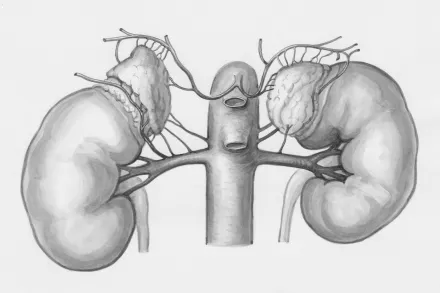
The kidneys are remarkable organs that filter waste, balance fluids, regulate minerals, and help control blood pressure, all while supporting the body's internal stability. They operate silently for years, and when problems begin, the early signs can be subtle. Recognizing these signs early is essential because it opens the door to timely evaluation, lifestyle adjustments, and potential treatments that can slow the progression of kidney disease or prevent further damage. This article explores the spectrum of early indicators, how they manifest in everyday life, and why awareness matters for people across different ages and health backgrounds. By understanding what to watch for and how these signs relate to kidney function, readers can approach kidney health with practical knowledge and a proactive mindset that supports long term wellbeing.
Healthy kidney function hinges on a complex network of filtration, reabsorption, and excretion that maintains balance within the body. When signals begin to appear, they often reflect disruptions in filtration rate, protein handling, salt and water management, or waste buildup. Early signs are frequently nonspecific and may mimic other conditions, which can make it easy to overlook them. However, persistent patterns such as changes in urine, swelling, fatigue, or skin discomfort deserve careful attention. Understanding the basics of kidney operation helps people differentiate ordinary fluctuations from signals that deserve medical assessment. In many cases, early kidney disease evolves gradually, and catching it before it advances can have a meaningful impact on outcomes and daily life. It is important to maintain a sense of curiosity about bodily changes and to seek guidance from healthcare professionals when something feels unusual or persistent.
Several factors influence how kidney disease develops and presents, including genetics, chronic conditions, lifestyle choices, and age. A family history of kidney problems, diabetes, or high blood pressure can increase vulnerability, while conditions such as autoimmune disorders or recurrent urinary infections may also play a role. Even in the absence of known risk factors, people may experience early signs that warrant attention. The key is to approach symptoms with a practical mindset, connect them with overall health status, and pursue evaluation when symptoms persist or worsen. Early recognition is not about alarm but about informed action that helps safeguard kidney function over time.
Urinary changes
Urinary changes are among the most common early indicators of kidney trouble, yet they are often subtle and fluctuate with hydration, medications, and daily routines. One of the first signals may be a perceived change in how often you need to urinate, particularly if the pattern shifts from your usual baseline. Another important clue is the appearance of urine that looks foamy or bubbly, which can reflect excess protein leaking into the urine, a hallmark of kidney stress. Color changes, such as darker urine or a noticeably pale tone, can also appear and may accompany dehydration or medications, but when these changes persist alongside other symptoms, they deserve attention. Some people notice a change in the sense of urgency or start to wake up at night to urinate more than usual, which may be connected to disrupted filtration and fluid regulation. While single symptoms alone are not proof of kidney disease, a consistent combination of abrupt or persistent urinary changes should prompt discussion with a clinician who can perform targeted tests to determine the underlying cause.
Protein in the urine, known as proteinuria, is a particularly informative sign when it appears without an obvious temporary cause. The kidneys normally keep proteins in the bloodstream, so the presence of protein in urine signals that the filtering mechanism is not performing optimally. Repeated testing that confirms proteinuria, especially along with changes in urine volume or appearance, helps distinguish temporary fluctuations from a potential chronic process. Blood in the urine is another warning signal that warrants prompt assessment, as it can indicate inflammation, stones, infections, or more serious kidney concerns. Persistent shifts in urinary patterns—whether in frequency, volume, color, or contents—should prompt a conversation with a healthcare professional who can order appropriate laboratory studies and imaging as needed. The overall message is that urinary changes deserve respectful attention rather than quick dismissal, because early evaluation can clarify the situation and guide next steps.
Swelling and fluid balance
Swelling in the feet, ankles, hands, or face is a tangible sign that the kidneys may be retaining more fluid than necessary. When filtration becomes less efficient, salt and water can accumulate in the body, leading to puffiness and weight changes that are not easily explained by diet alone. Swelling often worsens later in the day or after periods of inactivity, and it may accompany tight shoes, rings, or clothing around the ankles and wrists. While edema can be caused by several non kidney-related issues such as seasonal allergies, medication effects, or prolonged standing, persistent edema combined with other signs warrants medical evaluation. The sensation of fullness, heaviness, or tightness in the legs, especially after long flights or sedentary days, can also be connected to fluid shifts associated with kidney function. Recognizing this pattern and tracking its progression over days or weeks helps healthcare providers assess the likelihood of kidney involvement and determine the necessity for laboratory testing and management strategies.
Fluid balance is a dynamic aspect of kidney health, and subtle fluctuations may arise from dietary choices, hydration levels, and physical activity. When the kidneys do not regulate fluids effectively, not only does swelling emerge, but blood pressure can respond to these shifts. Chronic kidney disease commonly interacts with elevated blood pressure, creating a cycle that can perpetuate kidney stress if not addressed. Observing how swelling relates to other symptoms like fatigue, nighttime urination, or changes in appetite can offer clues about the underlying process. It is important to report consistent edema to a healthcare professional, who can perform assessments such as urine tests, blood tests, and imaging to determine whether kidney function is affected and to explore appropriate treatment or lifestyle interventions aimed at stabilizing fluid balance and protecting kidney health.
Fatigue and energy levels
Feeling unusually tired or weak without a clear cause can be an early sign of kidney trouble. The kidneys contribute to the production of red blood cells through signaling molecules such as erythropoietin, and when kidney function declines, the body may not produce enough healthy red blood cells to carry oxygen efficiently. This can lead to a sense of persistent fatigue, reduced exercise tolerance, and a general sense of not feeling refreshed after rest. Fatigue associated with kidney issues often persists despite adequate sleep and may worsen with physical activity or over the course of a day. It can be accompanied by dizziness or lightheadedness, especially when standing up, as well as headaches that do not have a straightforward explanation. Because fatigue is a common symptom with many possible causes, it is important to consider it in the context of other signs such as urinary changes, swelling, and appetite shifts to determine whether kidney involvement could be contributing to the overall picture.
Chronic fatigue linked to kidney concerns can also reflect electrolyte imbalances, particularly disturbances in potassium, sodium, and calcium balance. The kidneys play a key role in maintaining these electrolytes, and disruptions can affect muscle function, heart rhythm, and nerve signaling. If fatigue is coupled with muscle cramps, numbness or tingling, irregular heartbeat sensations, or persistent puffiness in the face and around the eyes, it becomes even more prudent to seek medical evaluation. Clinicians may order a panel of blood tests to evaluate kidney function, electrolyte levels, and anemia markers, along with a urine analysis to gather a comprehensive view of how the kidneys are performing and what steps might help restore balance and reduce fatigue in a targeted way.
Digestive discomfort and appetite changes
Digestive symptoms such as nausea, a metallic taste in the mouth, and a general sense of poor appetite can accompany kidney problems, even in the absence of dramatic kidney-related pain. Toxins that kidneys normally clear from the bloodstream can accumulate and affect the digestive system, leading to discomfort, a reduced desire to eat, and changes in taste. These symptoms may be subtle at first, fluctuating with hydration, meals, and overall health, but they can become more noticeable as kidney function declines. People might also experience early morning nausea or stomach upset that does not fit typical gastroenterological patterns. Understanding that these signs can be linked to kidney function helps prevent misattribution to only gastrointestinal causes and encourages a broader evaluation when signs persist over weeks or months, particularly when paired with urinary changes or swelling.
Appetite changes deserve careful attention because they often intersect with nutritional needs and energy availability. If a person begins to eat significantly less over a sustained period, or if cravings and aversions shift in a way that does not align with usual dietary patterns, it can be a signal of metabolic changes connected to kidney health. Clinicians may explore dietary intake, hydration, and metabolic signs to determine whether the digestive symptoms reflect an underlying renal process or are unrelated. In either case, maintaining open communication with healthcare providers can help identify underlying causes and guide appropriate dietary adjustments, supplements, or treatments that support kidney function and overall wellbeing while preserving enjoyment of meals and proper nutrition.
Persistent itching and dry skin
Chronic itching, or pruritus, and unusually dry skin can appear in the context of kidney disease, particularly as waste products accumulate and affect the body's systems. The exact mechanisms behind itch in kidney problems are complex and may involve changes in mineral balance, skin dryness, or inflammatory signals, but the experience is real and can be distressing. Itching may be localized or widespread and can intensify at night, interfering with sleep and mood. While dry skin is common in many environments and seasons, persistent or severe itching that coincides with other signs such as fatigue, swelling, or urinary changes should prompt consideration of kidney health. Addressing skin comfort with moisturizers, controlling environmental factors, and ensuring hydration are sensible steps, but a healthcare evaluation is important to determine whether kidney function is contributing to the symptom and to rule out other dermatologic or systemic causes.
Management of itching related to kidney concerns may involve addressing electrolyte and mineral balance, optimizing hydration, and treating any underlying metabolic disturbances. In some cases, doctors may adjust medications, propose changes to diet, or suggest therapies that specifically target itch in chronic kidney disease. Understanding the link between skin symptoms and kidney health underscores the importance of taking a holistic view of early signs, recognizing that seemingly unrelated complaints can share common roots in renal function, and pursuing a coordinated approach to care that prioritizes the person as a whole rather than isolated symptoms alone.
Shortness of breath and high blood pressure
Breathlessness is not solely a sign of lung conditions; it can arise when the kidneys are not managing fluid levels effectively, leading to fluid buildup in the lungs and chest, especially during exertion or at rest. This symptom may occur alongside swelling and fatigue and should be evaluated in the context of cardiovascular and renal health. Some individuals also notice that everyday activities feel more taxing, and this can be related to fluid shifts, anemia, or electrolyte imbalances associated with kidney stress. If breathing difficulty accompanies other signs like edema or elevated blood pressure, a medical assessment becomes particularly important to determine the source and appropriate management strategy.
High blood pressure often intersects with kidney health in a reciprocal way. Kidney disease can contribute to high blood pressure, while long-standing hypertension can damage the delicate vessels in the kidneys, creating a cycle of increasing risk. In the early stages, blood pressure may be borderline or only mildly elevated, yet this can still reflect underlying renal stress. Monitoring blood pressure regularly, noting patterns, and sharing readings with a healthcare provider helps in evaluating kidney involvement and the potential need for lifestyle changes or medications that protect both kidney and heart health. Even modest improvements in blood pressure can have meaningful benefits for renal protection and overall wellbeing over time.
Neurological and cognitive symptoms
Few people instinctively connect kidney health with cognitive function, yet the brain and kidneys share critical regulatory pathways that influence energy, clarity, and mood. When kidney function is compromised, some individuals report difficulties with concentration, memory, and decision making, as well as shifts in mood such as irritability or persistent sadness. These symptoms may be subtle and easily attributed to stress, multitasking, or aging, but when they occur alongside other signs like fatigue, sleep disturbances, or electrolyte changes, it becomes sensible to explore kidney health as part of a comprehensive assessment. Understanding that cognitive and emotional symptoms can interrelate with kidney function encourages a broader view of health and helps ensure that all potential contributing factors are considered in a timely manner.
It is important to note that cognitive symptoms can have many roots, including sleep quality, mental health, medications, and chronic illnesses. A clinician can help determine whether kidney-related factors might be contributing by reviewing medical history, performing physical examinations, and ordering tests that assess kidney filtration rate, electrolyte balance, and urine protein content. Early recognition of a pattern that includes cognitive changes, fatigue, and urinary or swelling signs supports a more accurate diagnosis and allows for a more targeted plan that can reduce kidney-related risk and improve quality of life as health professionals guide appropriate interventions.
Understanding why these signs can be subtle
Early kidney disease often does not cause dramatic symptoms. The body has a remarkable ability to compensate for gradual decline in function, masking problems until they become more pronounced. Subtle signs may appear gradually, drift from week to week, and sometimes disappear with hydration or rest, only to reappear later with greater intensity. This variability makes it easy to overlook the issue, especially in busy lifestyles where symptoms might be mistaken for temporary fatigue, a chilly evening, or a minor illness. The key is to listen to consistent patterns and to consider the whole clinical picture rather than focusing on single events. Keeping a simple daily log of any urinary changes, swelling, energy levels, blood pressure readings, and dietary adjustments can help illuminate trends that deserve medical attention and ensure that nothing important is missed as kidney health evolves over time.
Understanding the subtle nature of early signs also highlights the importance of routine health checks, especially for people with risk factors. Regular blood and urine tests can detect markers of kidney stress before symptoms become obvious, providing an opportunity for early intervention. This proactive stance is a practical approach to health that recognizes how small, persistent signals over time can accumulate into meaningful insights about organ function. By maintaining ongoing communication with healthcare providers and staying informed about kidney health, individuals can feel empowered to act promptly and responsibly when early signs appear.
Who is at risk for early kidney disease
Certain groups are more likely to develop kidney disease or to notice early signs sooner due to underlying conditions, family history, or demographic factors. People with diabetes or high blood pressure face an elevated risk because these conditions can stress the delicate filtration system of the kidneys over time. A family history of kidney disease or genetic disorders that affect renal function also increases risk, as do heart disease and obesity. Age is another factor, with kidney function naturally decreasing slightly as part of the aging process, though this does not mean that older adults inevitably develop disease. Individuals with autoimmune diseases, recurrent urinary tract infections, or a history of kidney stones may experience kidney-related symptoms earlier or more intensely than others. Recognizing risk factors helps tailor monitoring and preventive strategies to the individual, making early detection more feasible and more effective.
Beyond these medical history elements, lifestyle choices can influence risk. A diet high in salt, saturated fats, or processed foods, limited physical activity, smoking, and excessive alcohol use can contribute to conditions that impair kidney health over time. Sedentary patterns, dehydration, and poor sleep can also compound underlying risk factors. A proactive approach that combines medical care with healthy daily habits can lower the likelihood of progression and support kidney resilience. Even if someone does not have obvious risk factors, staying mindful of these considerations and undergoing periodic kidney function tests remains a prudent part of preventative health care, particularly as age advances or new symptoms emerge.
What to do if you notice signs
If you notice any combination of urinary changes, swelling, fatigue, appetite shifts, or other symptoms described above, the prudent step is to schedule a conversation with a healthcare professional. Early assessment typically involves a physical examination, questions about your medical history, and targeted laboratory tests that can evaluate how well your kidneys are filtering blood, how much protein is present in your urine, and how electrolytes are balanced. Often, a simple urine analysis and a blood test for creatinine can reveal clues about kidney function, sometimes supported by imaging studies to visualize the structure and integrity of the kidneys. The objective is to identify whether signs are due to a reversible condition, a temporary fluctuation, or the onset of chronic kidney disease, so that appropriate actions can be taken and future risk can be managed.
While waiting for appointments, consider practical steps that support kidney health. Staying well hydrated within your clinician’s guidance helps maintain urine production and waste elimination, though excessive fluid intake in certain contexts may be inappropriate. Following prescribed medical advice, including any medications or dietary recommendations, is essential for safeguarding kidney function. Reducing high-sodium foods, limiting processed products that contain phosphorus and potassium additives, and moderating caffeine and alcohol intake can contribute to a healthier internal environment that supports kidney function. If swelling is noticeable, elevating the legs and wearing compression stockings may provide temporary relief, but these measures do not replace medical evaluation when edema is present. Remember that early signs are a prompt to seek professional care, not to diagnose or treat on your own beyond basic comfort measures.
Testing and what doctors look for
In clinical practice, doctors use a combination of tests to assess kidney health and identify early disease. A blood test measuring creatinine is used to estimate the glomerular filtration rate, which reflects how well the kidneys are filtering. A lower GFR indicates reduced kidney function and can help classify the stage of kidney disease. Urine tests check for protein, blood, and other substances that may signal kidney problems or systemic conditions affecting the kidneys. Blood tests may also include measures of electrolyte balance, minerals like calcium and phosphate, and anemia markers, because kidney disease can influence multiple facets of physiology. Imaging studies such as ultrasound or, when necessary, more detailed scans can provide visual information about kidney structure, blood flow, and the presence of obstructions or abnormalities. The combination of these results helps clinicians determine the presence and extent of kidney disease, identify potential causes, and guide treatment planning or referral to a specialist if needed.
Part of the testing process involves assessing risk factors and comorbid conditions that may impact kidneys, such as diabetes management, blood pressure control, and cardiovascular health. Physicians interpret results in the context of the patient’s overall health, age, and medical history. They may also request repeat measurements to confirm a pattern rather than a single anomalous result. The goal is to establish whether early intervention can stabilize or slow progression, and to identify any urgent issues that require immediate attention. By understanding what the tests reveal, patients can engage in informed discussions about treatment options, lifestyle changes, and monitoring plans that align with their personal goals and medical needs. This collaborative approach increases the likelihood of preserving kidney function and maintaining quality of life.
Managing early kidney disease
When early signs of kidney disease are identified, a multifaceted management plan often emerges that prioritizes preventing further damage and addressing underlying causes. If hypertension or diabetes is present, achieving better control through medication, diet, physical activity, and regular monitoring can have a meaningful impact on kidney outcomes. In some cases, doctors may prescribe specific medications that protect kidney function or slow disease progression, such as agents that reduce protein leakage in urine or address abnormal mineral balance. Dietary adjustments often focus on balanced protein intake, controlled phosphorus and potassium levels, and moderated salt consumption to support filtration and fluid management. These changes are not only about protecting the kidneys but also about improving cardiovascular health, since kidney disease and heart disease frequently influence one another.
Beyond pharmacological therapy, ongoing monitoring becomes a central component of early kidney disease management. Regular follow-up visits allow clinicians to track changes in glomerular filtration rate, urinary protein, blood pressure, and electrolyte levels. These check-ins enable timely modifications to treatment plans and help prevent abrupt declines in function. Patients are encouraged to participate actively by tracking symptoms, maintaining a healthy lifestyle, and communicating any new concerns promptly. A coordinated approach that integrates medical care with personal routines—such as medication adherence, dietary planning, and activity levels—tends to yield better long-term outcomes and supports a sense of agency in managing kidney health.
Preventive steps and daily habits
Prevention and early management hinge on everyday choices that support kidney function and overall health. Prioritizing blood sugar control for diabetics, maintaining blood pressure within target ranges, staying properly hydrated, and following a kidney-friendly diet can collectively reduce the risk of progression. A balanced diet emphasizes fresh fruits and vegetables, lean proteins, and whole grains while limiting highly processed foods, sodium, and additives that may burden the kidneys. Regular physical activity helps with weight management, blood pressure, and metabolic health, which in turn protects renal function. Adequate sleep supports hormonal balance and tissue repair, contributing to a healthier baseline for kidney health. These habits are not merely protective measures but practical steps that empower individuals to influence their health trajectory in meaningful and measurable ways.
Education and informed choices play a crucial role in prevention. Understanding the impact of smoking or excessive alcohol use on kidney health, recognizing how dehydration interacts with kidney function, and learning to interpret simple home measurements such as blood pressure and hydration cues can be instrumental in maintaining early kidney health. Engaging with healthcare providers about personalized risk assessments, particularly for those with diabetes, hypertension, or a family history of kidney disease, creates opportunities to tailor prevention strategies that fit each person’s unique circumstances. The combination of evidence-based medical guidance and mindful daily living forms a robust framework for protecting kidney function over the long term.
Communication with healthcare providers and ongoing care
Open communication with clinicians is essential when signs arise or risk factors are present. Bringing up concerns promptly—whether they relate to urinary changes, swelling, fatigue, or other symptoms—helps ensure that the evaluation captures a complete and accurate health picture. Patients benefit from asking questions about what tests are planned, what the results mean, and how lifestyle changes or medications can influence kidney health. Regular check-ins, even in the absence of symptoms, can detect subtle trends in kidney function that might not be noticeable without laboratory data. A trusting patient-provider relationship supports shared decision making, fosters adherence to treatment plans, and enhances the ability to implement effective, individualized strategies for maintaining kidney health over time.
In addition to direct medical care, practical support from family, caregivers, and community resources can strengthen a person’s capacity to manage early kidney disease. Access to nutrition counseling, physical activity guidance, and mental health resources can improve overall well being and complement medical treatments. Educational materials, reputable online sources, and patient support groups can provide reassurance, reduce uncertainty, and offer strategies that have helped others facing similar health challenges. When patients feel informed and supported, they are more likely to engage in proactive health behaviors and to maintain the discipline needed for long term kidney protection and improved daily functioning.
Living with early kidney disease: daily routines and monitoring
For many, early kidney disease becomes part of a daily health routine rather than an abrupt crisis. Establishing a structured plan that includes consistent medication timing, regular meal planning aligned with dietary recommendations, and predictable sleep patterns can support stability and reduce symptom fluctuation. Keeping a simple health journal that tracks urinary patterns, edema, blood pressure readings, energy levels, and any signs of progression helps patients and clinicians detect subtle improvements or declines and adjust treatment accordingly. This proactive approach is not about perfection but about steady, informed choices that preserve kidney function and enhance quality of life as health needs evolve over time.
Integrating kidney health into broader wellness goals fosters resilience and reduces the risk of complications. Strategies such as maintaining a healthy weight, quitting smoking, moderating alcohol intake, and staying physically active within personal tolerance levels contribute to a healthier metabolic and cardiovascular profile, directly benefiting kidney function. In addition to physical health, attention to mental well-being supports adherence to care plans and the ability to manage stress, sleep, and daily demands. A comprehensive, patient-centered approach that values prevention, early detection, and collaborative management serves as a practical blueprint for living well with or without diagnosed kidney disease while protecting future health.
Final considerations for awareness and empowerment
Awareness of early signs is a powerful tool for individuals and communities. By cultivating a habit of listening to the body, seeking evaluation when signals persist, and engaging in preventive practices, people can influence the course of kidney health in meaningful ways. Education about potential risk factors, how to interpret common symptoms, and the importance of regular medical checkups helps demystify kidney care and reduces hesitation around seeking help. The overarching message is balanced and hopeful: with timely information, supportive healthcare, and consistent healthy living, many people can manage kidney health effectively and maintain a high quality of life.