Brightening the skin refers to restoring a healthy glow, evening out uneven tones, reducing the appearance of dullness, and diminishing visible discoloration over time. It is not about turning the skin into a uniform or unnatural shade, but about encouraging light reflection, improving texture, and supporting a more vibrant underlying complexion. Achieving brightness involves a blend of daily protective habits, gentle exfoliation, and ingredients that target pigment irregularities while preserving the skin barrier. The idea is to create a stead...
Beauty & Cosmetology

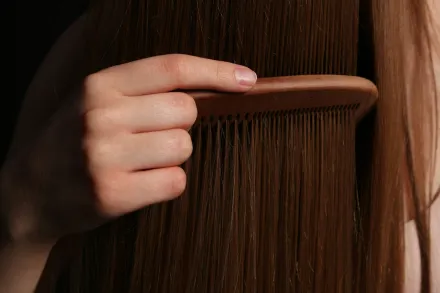
Hair texture refers to the natural surface feel and appearance of the strand, and smooth texture describes strands that lie flat, reflect light evenly, and resist frizz and pilling or roughness along the cuticle. Achieving this look is not just about one product or a single routine; it is a holistic approach that respects the biology of hair, the health of the scalp, environmental influences, and the way daily habits interact with moisture, heat, and mechanical stress. When the cuticle layers lie smoothly and align in the direction of the stran...

Dead skin cells are a natural part of the body's renewal process, a constantly shifting layer that protects the living tissues beneath. Over time, these cells can accumulate, leading to a dull complexion, rough patches, or clogged pores. Understanding the biology behind shedding and renewal helps readers approach exfoliation with insight rather than guesswork. In this exploration, we will consider how to identify when dead skin cells become a concern, how different methods work, and how to tailor routines to various skin types and environments....
Nail damage is a common concern that touches many people at various stages of life, from busy professionals who type for long hours to avid gardeners who expose their hands to rough elements. The process of repair is not a single event but a careful, patient journey that combines proper diagnosis, gentle handling, and a sustained routine. The goal is to restore strength, flexibility, and a natural, healthy appearance while reducing the risk of further cracking, splitting, or discoloration. The nails reflect both internal health and external car...
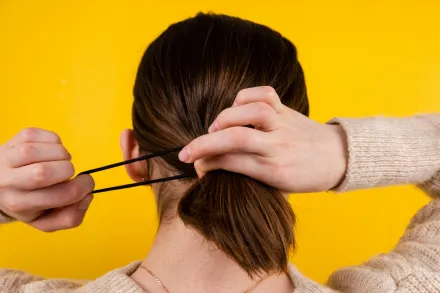
The health of the hair you see on top is rooted in a complex system that begins deep beneath the surface of the scalp, where each strand is anchored by a follicle that acts as a tiny living engine. Within this environment the root receives a continuous supply of blood, nutrients, and growth signals that influence the density, resilience, and overall vitality of the hair you style every day. When the roots are strong, the shaft grows with a steady rhythm, resisting common stresses like brushing, environmental exposure, and occasional chemical pr...
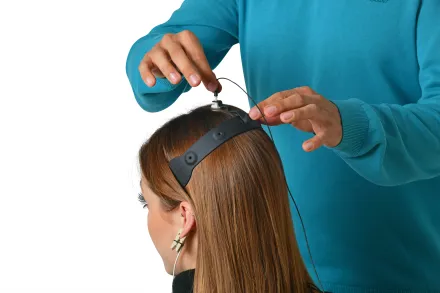
The scalp is a skin surface with its own unique balance, hosting a ecosystem of oil-producing glands, hair follicles, sweat glands, and a diverse array of microorganisms. When we talk about scalp health, we are really describing the harmony between these elements and how they interact with the environment, personal habits, and the products we use. The scalp requires moisture, protection, and gentle stimulation just as the rest of the skin does, but it also benefits from a regular rhythm that respects its natural cycle. A healthy scalp supports ...
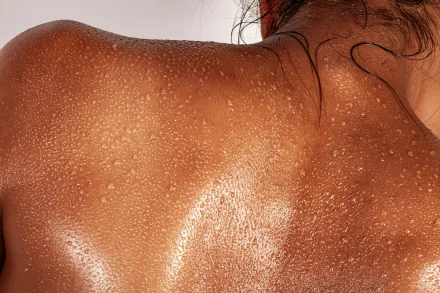
Oily skin is characterized by excess sebum production that can give a shiny complexion and challenge with pore visibility. While some level of oil is natural and helps protect the skin, an imbalance can lead to clogged pores, shine, and breakouts. Many people with oily skin assume they should simply strip away all moisture, but the right approach balances cleanliness with hydration, and supports the skin's barrier rather than undermining it. Understanding what drives oil production—hormonal fluctuations, climate, stress, diet, and even the prod...
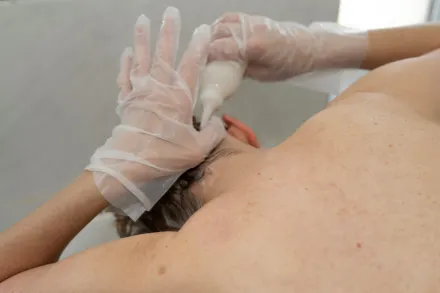
Exfoliation is the deliberate removal of dead skin cells from the surface of the epidermis, a practice that many dermatologists and skincare professionals regard as a foundational step for achieving a smoother texture and a healthier glow. The skin renews itself in cycles, but a combination of aging, environmental stressors, sun exposure, and lifestyle choices can slow this renewal process, resulting in a complexion that looks dull, uneven, and sometimes rough to the touch. By gently encouraging the shedding of the outermost layer, exfoliation ...

Dark circles are not a single uniform problem but rather a combination of several factors that can create the appearance of shadowed skin under the eyes. In many people the skin is thinner in this delicate area, which allows underlying blood vessels to show through and cast a bluish or purplish tint. In others pigmentation can accumulate, giving a brown or grayish veil over the under-eye region. Genetics often plays a primary role, determining how thin the skin is, how compressed the capillaries appear, and how much melanin or pigmentation is d...
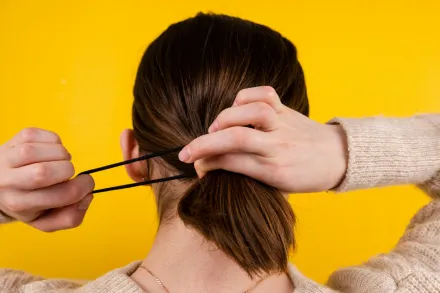
Hair care is a daily ritual that can shape the vitality, shine, and resilience of hair in surprising ways. Many people begin with enthusiasm and then stumble into a set of habits that seem small in isolation but accumulate over time into noticeable thinning, frizz, or dullness. The purpose of this article is not to shame or scold but to illuminate the missteps that quietly undermine goals of healthy, vibrant hair and to offer thoughtful alternatives grounded in realistic routines. Hair, after all, is a living fiber that responds to the environm...