Hair texture refers to the natural surface feel and appearance of the strand, and smooth texture describes strands that lie flat, reflect light evenly, and resist frizz and pilling or roughness along the cuticle. Achieving this look is not just about one product or a single routine; it is a holistic approach that respects the biology of hair, the health of the scalp, environmental influences, and the way daily habits interact with moisture, heat, and mechanical stress. When the cuticle layers lie smoothly and align in the direction of the strand, light reflects more evenly and the hair feels silkier to the touch. This smoothness is often linked to balanced moisture, gentle cleansing, low friction, and protective measures that minimize damage over time.
In practical terms, smooth texture emerges when the hair’s outermost layer remains intact and hydrated while the cortex inside stays healthy. Damage from harsh surfactants, excessive heat, chemical treatments, or rough handling disrupts the cuticle and creates a rough surface that catches light unevenly and feels coarse. A key concept is that moisture acts as a natural lubricant. When moisture is retained inside the hair shaft and the surface is sealed, friction decreases, resulting in less tangling, easier detangling, and a more uniform surface. People with naturally wavy or curly hair often pursue smooth texture as a goal, but even very fine or straight hair benefits from a disciplined plan that protects and nourishes each strand.
Although there are many commercial products, the underlying principle remains consistent: prioritize clean, healthy scalp conditions, choose moisture-balanced formulas, and protect the cuticle from damage while supporting its natural resilience. The aim is not to flatten hair forcibly but to support the hair’s own structure so that the texture appears smooth without sacrificing movement or body. This approach often leads to better manageability, less static, and a more polished overall appearance. It helps to view hair care as a long-term investment where small, consistent steps accumulate into lasting smoothness rather than chasing short-term fixes that may backfire over time.
The cleansing routine sets the stage for smooth texture by removing buildup that can weigh hair down and by preserving the lipid layer on the scalp. When cleansing products are chosen with attention to your hair type and scalp condition, they cleanse effectively without stripping essential oils or over-drying the surface. A balanced cleanser should create a gentle lather and rinses that leave the hair feeling clean rather than squeaky or desiccated. For many individuals, using a mildly cleansing shampoo a few times per week and a lighter, sulfate-free option on other days helps maintain a healthy equilibrium that supports sheen and smoothness.
In addition to choosing a suitable cleanser, consider the order of application and the rinse temperature. Lukewarm water is generally kinder to the cuticle, encouraging it to lie flat rather than opening up aggressively under hot water. Rinsing thoroughly removes residues that can accumulate and create friction on the surface, which often translates into a dull or textured feel. It is also beneficial to periodically clarify hair if you use heavier leave-in products, silicones, or mineral-based hard water to prevent buildup that compromises smoothness. The goal is a clean base that allows moisture to penetrate without creating a slick or weighed-down finish.
After washing, some individuals notice improvement by patting the hair dry with a soft towel rather than rubbing vigorously, which minimizes cuticle disruption. Gentle handling during washing helps reduce friction and preserves the natural structure of the strand. If you rely on air drying, consider the direction in which you dry and embrace a method that minimizes tugging or stretching. The method should feel comfortable and controllable, supporting a smooth texture rather than creating tangles or knit points along the hair shaft. The cleansing step, when done with intention, can set the stage for the glossy, even texture that follows in the subsequent steps.
Conditioning is the heart of achieving and maintaining a smooth texture. A well-formulated conditioner replenishes proteins, lipids, and humectants that help the cuticle lay down gently and resist frizz. When selecting conditioners, look for ingredients that address both surface integrity and internal moisture needs. Proteins can help reinforce the fiber, while humectants such as glycerin or plant-derived sugars attract moisture from the air to the shaft. However, too much humectant in a dry environment can lead to weight or stickiness, so balance is essential. Oils and silicones can contribute to slip and coating, which reduces friction and supports a sleek finish, but the dose should be calibrated to your hair’s porosity and styling goals.
A practical approach is to apply conditioner primarily to the mid-lengths and ends, avoiding the scalp unless the product is designed for scalp use. Deep conditioning sessions, scheduled periodically, can replenish deeper layers of the hair and restore elasticity, especially after chemical processing or heat styling. When conditioning, allow the product to sit for a few minutes to maximize absorption, then rinse with cool water to help seal the surface. A good rinse temperature is warm enough to open the cuticle during cleansing but cool enough during conditioning to seal moisture and lock in shine. The conditioning routine should feel nourishing rather than heavy, leaving the hair with a soft rebound and a surface that glides smoothly when touched or styled.
For ongoing upkeep, a light leave-in conditioner or a hydrating spray can maintain moisture between washes. A leave-in product should be chosen for its ability to balance moisture without creating a greasy or weighed-down feeling. If your hair tends toward fine or low-porosity textures, apply lighter products closer to the ends and avoid layering multiple heavy formulas at once. Those with high-porosity hair might benefit from slightly richer formulations and occasional sealants to prevent rapid moisture loss. The essence of smooth texture lies in steady hydration, controlled protein intake, and a seal that minimizes moisture exchange with the air while still allowing natural movement and breathability.
Oils and serums can be powerful allies in reducing friction and enhancing slip. A small amount applied to the ends after drying can help seal the surface, enhance shine, and prevent flyaways. The choice of oil matters; some people respond better to lightweight options such as argan, grapeseed, or apricot kernel oils, while others may prefer richer formulas with circulatory benefits for damaged or very dry hair. Applied sparingly, oils should not create an oily residue or flatten the natural texture. The aim is to add a protective layer that reduces breakage and keeps the cuticle aligned, producing a smoother finish over time.
In addition to oils, specialized serums designed to smooth the surface can be used as a finishing touch. Serums may contain silicones or natural conditioning agents that fill in tiny gaps on the cuticle, creating a nearly glassy surface that reflects light more evenly. When used correctly, serums can dramatically reduce frizz and static, especially in humid environments or during seasonal transitions. It is important to start with a small amount and build gradually, testing how your hair responds to avoid a heavy, lank texture that weighs the strands down. The right balance between moisture, oil, and sealant plays a crucial role in achieving lasting smoothness without sacrificing body or movement.
Establishing a simple routine that includes a nourishing conditioner, a lightweight leave-in, and a carefully chosen finishing product can deliver reliably smooth texture for many hair types. Experimentation with different formulations to suit your climate and hair history is a sensible approach, as is listening to the hair’s response to moisture and friction. The goal is a consistent, comfortable feel under your fingers and a refined appearance that looks healthy and vibrant rather than flat or dull. With patience and thoughtful product pairing, the surface of each strand can achieve a polished, smooth finish that persists throughout the day.
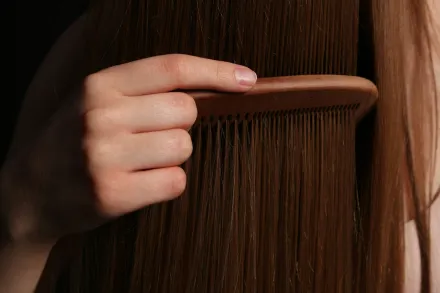
Detangling is a critical moment in preserving smooth texture. Brutal or careless combing creates microtrauma that roughens the cuticle, leading to friction, snagging, and a matte look. A gentle detangling approach starts in the shower when the hair is damp and more pliable. A wide-tooth comb or a brush designed for wet hair helps minimize tugging. Work in sections, beginning at the ends and gradually working your way up to the roots with patience and care. The goal is to disentangle knots without creating new breakage or disrupting the cuticle alignment that supports smoothness. With each careful stroke, the surface remains intact, which translates into a longer-lasting layer of smooth texture.
For those with tightly coiled or very tangled hair, using a detangling spray or a leave-in conditioner that provides slip can change the experience dramatically. A product that offers hydration and lubrication reduces the force required to separate strands, lowering the risk of snapping or thinning the cuticle. After detangling, a light blow-dry or air-dry approach that continues to protect the cuticle ensures that the hair finishes in a state that feels smooth to the touch and looks luminous because the surface reflects light uniformly. A mindful detangling technique makes a long-term difference in texture by preserving the integrity of the cuticle and supporting consistent sleekness.
Heat is a common ally in achieving smooth texture when used judiciously. It bends and shapes the hair, smoothing the surface temporarily, but it also carries the risk of damaging the cuticle if left unchecked. A robust heat protection strategy includes applying a heat-protectant product before styling, using the lowest effective heat setting, and limiting the duration of exposure. When possible, allow hair to air-dry part of the way before using hot tools, and adopt styling methods that minimize repetitive high-heat passes over the same area. The idea is to achieve the desired shape while keeping the cuticle intact and resilient, which in turn preserves a smoother texture for a longer period.
Additionally, consider the frequency of heat styling. If you rely on straightening or curling technologies, alternate with heat-free techniques like smoothing with a brush and diffuser or setting with rollers. Maintaining a balance helps reduce cumulative damage, and the hair gradually adapts to a healthier baseline where smooth texture becomes more of a natural outcome rather than a constant maintenance task. The broader objective is to protect the hair’s integrity while still achieving the refined, smooth appearance that you desire, ensuring that styling is a controlled, mindful process rather than a trial-and-error routine performed under high stress.
Internal factors influence hair texture as much as external care does. Adequate hydration, balanced meals, and consistent sleep support the scalp environment and the hair follicles that produce the strands. Nutrients such as protein, omega fatty acids, biotin, and minerals play roles in maintaining the strength and resilience of hair. While supplements are not a universal solution, a well-rounded diet that emphasizes lean proteins, healthy fats, and a variety of fruits and vegetables provides the building blocks for healthier hair. Hydration aids in keeping the hair shaft pliable and less prone to brittleness, which can help the surface stay smooth and less prone to frizz or breakage over time.
It is also important to align lifestyle with hair care goals. Excessive stress, poor sleep, and erratic routines can trigger changes in hair texture, volume, and shine. By cultivating habits that support hormonal balance and steady growth cycles, people often notice improvements in the smoothness of their hair. Mindful routines, such as winding down without screens before bed, regular physical activity, and strategies to manage stress, contribute to a healthier scalp and a more polished hair surface. In the realm of texture, what you feed your body often translates into how your hair feels at the strand level, making nutrition a foundational element of a comprehensive smoothing plan.
Seasonal shifts affect humidity, temperature, and the way moisture moves in and out of the hair. In humid conditions, frizz can be a persistent challenge, while in dry environments, moisture loss can create a rough texture. Adapting your routine to the season helps maintain smoothness. In wetter months, focusing on humectant-lighteners and protective oils may help seal the cuticle against humidity-driven swelling. In drier seasons, richer masks and leave-ins provide an extra layer of moisture retention, helping the cuticle stay aligned. The goal is to adjust moisture levels gradually rather than making abrupt changes that confuse the hair’s natural balance.
Another factor is sun exposure. UV rays can damage the cuticle and degrade color, leading to increased roughness and dullness. Wearing hats or using UV-protective hair products can mitigate this damage while preserving smoothness. Wind, salt, and chlorine also play a role in texture; rinsing after swimming, using protective products, and rehydrating with a light conditioner can prevent a rough, tangly feel that emerges after exposure to these elements. By acknowledging seasonal drivers and adjusting routines accordingly, smooth texture can be preserved through the entire annual cycle without sacrificing comfort or resilience.
Understanding your hair type and porosity helps tailor a smoothing routine that fits exactly. Low-porosity hair tends to resist moisture and can feel heavier with too much product; a lighter hand and occasional clarifying routines are beneficial. High-porosity hair accepts moisture quickly but loses it easily, often requiring richer sealants and more regular conditioning to maintain smoothness. Medium porosity is more forgiving but still benefits from consistent care that balances hydration and sealing to maintain a sleek surface. By identifying your hair’s porosity, you can choose cleansers, conditioners, and sealing products that maximize smoothness without oversaturation or buildup.
Texture varies with length, density, and the natural pattern of the hair. Shorter cuts may respond quickly to a few targeted products, while longer, thicker hair may require a more layered approach to avoid heaviness. The principles of smoothness—gentle cleansing, balanced moisture, careful detangling, protective styling, and prudent heat use—apply across the spectrum, but the specifics can be refined to suit your exact needs. It is possible to craft a signature routine that respects your individuality, delivering consistent smooth texture with comfort and ease rather than rigidity or frustration.
When selecting products, consider ingredients that align with your goals. Look for gentle cleansers that preserve the lipid barrier, conditioners that provide a balanced blend of proteins and moisturizers, and finishing products that offer slip, shine, and a protective film without creating a heavy or greasy feel. Ingredients to watch for include natural oils, cationic conditioning agents that reduce static, and supportive polymers that help the cuticle lie flat. A thoughtful combination, adjusted over time as hair responds, builds a durable foundation for smooth texture that looks healthy and feels comfortable in daily life.
A cohesive routine is a sequence of steps that builds toward smoothness without abrupt changes or conflicting actions. Consistency matters because hair responds to regular patterns of care. When cleansing, conditioning, treating, and protecting are integrated into a predictable rhythm, the cuticle can adapt to the routine and reveal a smoother surface. This does not require perfection or obsessive repetition; it means aligning products, techniques, and timing so that each step complements the others. A gentle, repeatable sequence yields the most reliable and lasting smooth texture across different days and activities.
To maintain cohesion, consider the order of products and the purpose of each step. Start with a suitable cleanser that respects your scalp, follow with a conditioner that provides targeted moisture, and finish with a light leave-in or serum that enhances slip and protection. If you decide to use heat styling, always integrate a heat protectant. If you skip a day or adjust the routine, ensure the adjustments remain within the framework of balance that supports the cuticle. The beauty of a well-designed routine is that it requires minimal guesswork while offering maximum control over texture and shine.
When styling, aim for methods that preserve smoothness and minimize friction. Techniques like trimming split ends regularly, avoiding tight hairstyles that pull at the crown, and choosing fabrics and accessories that reduce snagging all contribute to smoother texture over time. Even the way you sleep can influence texture; using a satin or silk pillowcase reduces friction and preserves the surface alignment of the cuticle while you rest. Gentle handling during the night supports lasting smoothness and can reduce morning frizz or tangles.
The choice of styling tools matters as well. Opt for brushes designed to glide through the hair with minimal resistance, and consider brushes with rounded bristles that distribute pressure evenly. In the realm of DIY routines, a simple daily ritual such as lightly brushing from ends to roots with a smoothing brush can help maintain a sleek surface. By combining careful tool selection with mindful techniques, you reinforce the smooth texture you work so hard to achieve during washing and conditioning, turning it into a seamless part of your daily beauty routine.
Ultimately, achieving smooth texture is about harmony among moisture, protection, and gentle handling. Each person’s hair has a unique history of exposure to heat, chemical treatments, and environmental conditions, so the path to smoothness is personal and iterative. Start with a foundation of clean scalp health, balanced moisture, and a light, protective finishing approach. Then observe how your hair responds to small adjustments and refine accordingly. The most reliable outcomes come from patient experimentation, consistent routines, and an emphasis on hair health as the core value rather than chasing superficial finishes alone.
As you implement these ideas, remember that less can be more. A streamlined set of high-quality products used with intention often yields better, longer-lasting smooth texture than a crowded cabinet of products with overlapping functions. Celebrate gradual progress and the visible improvements in shine, slip, and manageability that accompany a well-structured routine. With ongoing care and mindful choices, smooth texture becomes a sustainable and enjoyable aspect of your hair’s natural beauty, reflecting a healthy scalp, well-nourished strands, and a daily habit that supports resilience, glow, and ease in styling.