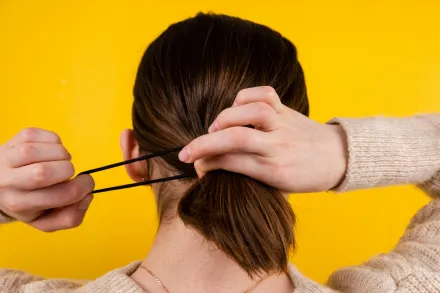
Understanding Hair Roots and Why They Matter
The health of the hair you see on top is rooted in a complex system that begins deep beneath the surface of the scalp, where each strand is anchored by a follicle that acts as a tiny living engine. Within this environment the root receives a continuous supply of blood, nutrients, and growth signals that influence the density, resilience, and overall vitality of the hair you style every day. When the roots are strong, the shaft grows with a steady rhythm, resisting common stresses like brushing, environmental exposure, and occasional chemical processing. People often underestimate how much the scalp and the follicles contribute to lasting length and shine because the visible portions of hair can obscure the biology happening beneath. A healthy root system is not simply the absence of breakage; it is an active, dynamic network that responds to care, nourishment, and gentle handling. The root sits in a protective pocket called the hair follicle, and the bulb at the bottom of this follicle houses living cells that divide and push down the shaft as new cells form. When nourishment flows consistently and the scalp environment remains balanced, these cells renew themselves with less interruption and the resulting hair emerges as stronger from root to tip.
Understanding the root’s role invites a holistic approach to hair care that goes beyond the surface. It means recognizing factors such as scalp condition, circulation, and the presence of supporting nutrients that reach the follicle through a healthy dermal layer. A balanced scalp environment promotes robust anchoring, reduces the risk of shedding, and supports a steady growth cycle. While genetics sets a baseline for how much growth a person might experience, environmental conditions, daily routines, and treatment choices can significantly influence how well those follicles perform. This perspective shifts attention from quick fixes to sustainable habits that strengthen the foundation of every strand. By focusing on the root, you can influence how hair behaves closer to the scalp, which often translates into improved manageability, reduced frizz, and a more resilient silhouette across seasons. The goal is not to create miracles overnight but to cultivate a steady path toward healthier roots that sustain length and vitality over time.
Another layer to consider is the hair growth cycle, a natural rhythm that moves hair through phases of growth, rest, and shedding. The anagen phase represents active growth, the catagen phase marks a transitional period, and the telogen phase signals shedding before a new cycle begins. Individual variation is shaped by age, hormonal balance, nutrition, stress levels, and inflammatory states in the scalp. When you nurture the roots with care, you encourage a healthy proportion of hair to remain in the growth phase for longer periods, leading to a fuller appearance and less dramatic shedding. Conversely, neglect or harsh treatments can push follicles toward premature shedding or shorten the growth window. This biological framework reinforces why consistent, gentle practices that promote scalp comfort and periodic stimulation matter for long-term root strength as well as for the appearance of the hair as it grows out from the scalp.
Gentle Cleansing Habits to Respect the Scalp
A foundation of healthy roots begins with a cleansing routine that respects the delicate balance of the scalp. Cleansing removes excess sebum, sweat, and environmental debris, but aggressive washing or harsh formulations can strip away natural oils that protect the follicle and surrounding skin. A cautious approach involves selecting a cleanser with a mild formulation that cleans without over drying, complemented by water temperatures that are comfortable rather than extreme. When washing, focus on the scalp rather than the full length of the hair to ensure the roots receive most of the benefits of cleansing while the ends benefit from the conditioner. The texture and sensitivity of the scalp vary from person to person, so adapting the routine to personal needs is essential. A routine that respects the scalp’s microbiome can improve resilience, reduce itchiness, and help maintain an ideal environment for root health without provoking unwanted irritation. It is beneficial to observe how the scalp responds to different products and adjust frequency to balance cleanliness with moisture preservation. The aim is a clean, calm scalp that supports steady follicular performance rather than a stripped, inflamed surface that could compromise hair roots over time.
Color treatments, chemical processing, and heat styling can temporarily disrupt the barrier function of the scalp if not done with care. When choosing cleansers, look for gentle surfactants and minimal fragrance if sensitivity is a concern. A daily or every-other-day washing pattern can work well for many people, while others may prefer less frequent cleansing with a lighter touch in between. It is important to avoid washing with hot water because high temperatures can lift oils from the scalp and increase dryness in the surrounding tissue. A comfortable lukewarm temperature supports a balanced environment where the roots remain moist enough to stay pliable and less prone to breakage. Conditioning after cleansing should target the mid-lengths and ends, but the scalp can also benefit from a light touch of product if it tends to be dry or itchy. Using a product that helps regulate sebum production without clogging the pores is a prudent choice for preserving the roots’ vitality while maintaining a fresh overall feel to the scalp.
When applying any cleansing product, the technique matters as much as the formula. Gently massaging the scalp with the pads of the fingertips facilitates a mild exfoliation, boosts circulation, and helps distribute the cleanser evenly. Vigorous scrubbing can irritate the skin and push the scalp into a state of chronic irritation, which is detrimental to root health. A calm, even pressure that follows circular motions encourages a more balanced environment for the follicles and the surrounding tissue. After cleansing, allow the scalp to air dry or use a soft towel to pat gently rather than rub aggressively. A minimal amount of product used with careful distribution across the scalp is often more effective than a heavy application that can accumulate at the roots and weigh the hair down. The ultimate objective is a thoroughly clean scalp that remains calm and free of residue, while the hair receives the moisture and protection it needs from the ends up to the roots in a way that supports long-term root strength.
Nutrition and Hydration as Foundations for Strength
A strong foundation for hair roots starts with what is consumed daily, because nutrients journey from the bloodstream to the scalp and into the follicle. Protein provides the essential building blocks for keratin, the structural protein that gives hair its strength. Adequate protein intake supports the rapid cell turnover in the follicle and reduces the likelihood of brittle, slow-growing strands. Mineral companions such as iron, zinc, and selenium play critical roles in oxygen transport, enzyme activity, and antioxidative defenses that protect follicular cells from stress. The B vitamins, especially biotin, can influence the health of hair and nails in the context of overall nutrition, though their effects are nuanced and depend on the individual's baseline status. A well-rounded diet also benefits hair roots by delivering omega-3 fatty acids that can improve scalp lubrication and reduce dryness, along with antioxidants that defend the skin against environmental damage. Consistent hydration ensures the scalp remains supple and resilient, supporting the delicate tissues around each follicle as blood vessels deliver nourishment to a growing strand. A varied plate that includes lean proteins, leafy greens, whole grains, and colorful fruits provides a broad spectrum of micronutrients that contribute to fuller, stronger roots over time.
Hydration is not only about water intake; it is also about moisturization of the scalp and the retention of moisture within the hair shaft. When the scalp maintains an adequate water content, follicular cells operate more efficiently, and the hair emerges from the root with a firmer anchor. Hydration supports elasticity in the hair as it grows, reducing the risk of breakage near the root where the follicle may be more vulnerable to sudden traction or heat exposure. Some individuals notice improvements in scalp softness and a decrease in itching when hydration is optimized. This can be achieved through a balanced drink regime and by using lightweight moisturizers or scalp serums that absorb quickly and leave no heavy residue that could irritate pore openings. A mindful approach to hydration, nourishment, and a balanced diet can create a favorable internal environment that enhances the strength and resilience of hair roots in a sustainable way, rather than relying solely on topical products to patch over underlying nutritional gaps.
In addition to macronutrients, trace minerals and vitamins can influence the integrity of the hair shaft and the health of the follicle. Iron and ferritin levels correlate with hair vitality, particularly in individuals who show signs of thinning related to iron deficiency. Zinc supports the activity of enzymes involved in tissue growth and repair, and a modest intake supports a healthy follicle turnover. Vitamin D receptors have been associated with hair follicle cycling, and deficiencies may relate to slower growth or shedding patterns. Vitamin A, when consumed in appropriate amounts, supports sebum production, which can help keep the scalp lubricated, though excess intake can have the opposite effect. A thoughtful approach to supplementation should be guided by a healthcare professional who can assess blood levels and tailor recommendations to the individual’s needs. Ultimately, a nourishing diet paired with sufficient hydration strengthens the internal systems that supply the roots with fuel, enabling hair to rise from the scalp with greater resilience and a more confident appearance as it grows outward.
Scalp Massage and Stimulation Techniques
Regular scalp massage is a simple practice that can positively influence blood flow, temperature, and the delivery of nutrients to the follicles. The practice does not require special tools; the fingertips are often enough to create a gentle, consistent pressure that stimulates the microcirculation beneath the skin. A careful routine that covers the entire scalp with slow, circular motions can reduce tension in the scalp, balance oil production, and promote a calm environment for hair roots. Massage sessions can be integrated into daily care, either during cleansing or while applying leave-in treatments. The key is to keep pressure moderate and avoid harsh scrubbing, which can irritate the skin and potentially compact follicles with excessive friction. Even brief sessions lasting a few minutes can yield benefits, especially if performed regularly and in combination with a clean, well-balanced scalp environment. In addition to convenience, scalp massage may help distribute natural oils more evenly along the hair shaft, which can contribute to a more uniform feel from root to tip and a perception of greater hair strength at the base of each strand.
Some individuals choose to incorporate light oils into a massage routine, taking care to avoid heavy applications at the root that can clog follicles or weigh the hair down. When using oils, opt for those with a lighter texture or apply a thin layer around the crown and mid-scalp rather than directly at the follicular opening. The goal is to enhance glide for the fingertips and to support a serene scalp environment rather than to coat the roots with a heavy film. A nurturing approach can include time for mindful breathing and relaxation during the massage, which helps reduce stress hormones known to influence scalp tension and health. A calm, focused routine that respects the natural rhythm of the scalp can be a valuable companion to other root-strengthening practices, reinforcing a sense of balance and wellbeing that echoes through the appearance and feel of the hair as it grows.
As with any routine, consistency matters more than intensity. The effect of scalp massage accumulates over weeks and months, with gradual improvements in comfort, ease of detangling, and perceived thickness near the scalp. For those experiencing sensitive scalps or conditions such as dermatitis, a careful approach guided by a dermatologist or trichologist is advisable. Gentle techniques and appropriate products can maintain a supportive environment for the roots while minimizing the risk of irritation. When combined with a healthy cleansing and nourishing regimen, scalp massage can become a simple, enjoyable habit that contributes to stronger roots and more resilient hair growth without requiring expensive equipment or elaborate protocols.
These Practices for Fortifying Follicles
Protecting the follicles from mechanical stress is a practical pillar of root strength. Tight hairstyles, frequent heat exposure, and aggressive towel drying can create tension at the base of the hair, potentially weakening the root and leading to traction-related shedding over time. Choosing looser updos, gentle drying methods, and heat-protective strategies helps maintain a stable anchoring environment for the follicles. Hair that is regularly pulled into tight styles can experience localized stress at the hairline and crown, which may contribute to thinning in those zones. Instead, consider styling that keeps tension evenly distributed and avoids pulling the hair into sharp angles. When heat styling is necessary, use the lowest effective temperature, protect the hair with a serum or spray designed to withstand high heat, and limit the number of passes over the same area to reduce cumulative damage near the roots. Protective styling not only preserves the integrity of the follicle but also tends to improve the overall appearance of density and volume by preventing unnecessary root damage that can compromise strength over time.
Environmental exposures, such as sun, wind, and pollution, can have an accumulative effect on scalp health and the condition of the hair near the roots. The scalp’s outer layer acts as a shield, and repeated exposure to harsh elements without protection can lead to dryness, irritation, and a less supportive environment for the follicles. When practical, shielding the hair from sun exposure with hats or breathable fabrics can help preserve the integrity of the scalp and reduce moisture loss at the root level. Similarly, using filtered water for washing or reducing exposure to hard minerals can influence the scalp’s moisture balance, which in turn supports stronger roots. Simple, protective habits can be integrated into daily routines, leading to modest but meaningful differences in root health over the course of weeks and months. The takeaway is that fortifying the follicles requires thoughtful attention to both internal nourishment and external protection, creating a holistic environment in which roots can anchor the hair with greater vigor and longer-lasting stability.
The choice of brushes and styling tools also matters for root health. Abrasive brushes or combs with coarse teeth can snag at the root area and cause microtrauma that accumulates over time. Opting for brushes designed to glide through hair with minimal friction, along with wide-toothed combs for detangling, can reduce stress at the root and help maintain a smooth, even distribution of oils from the scalp outward. When detangling after washing, working from the ends upward toward the roots is a widely recommended practice that minimizes tugging on the vulnerable base of the hair. In addition, brushing routines that occur at a period when the scalp is well-moisturized but not overwhelmed by product residues can improve root resilience and support a healthier overall hair structure. Such careful handling, combined with a balanced cleansing and nourishing regimen, contributes to stronger roots and a more confident silhouette for hair that grows with less breakage at the base.
Choosing the Right Shampoo and Conditioner for Root Strength
The products chosen for cleansing and conditioning can profoundly influence the strength of hair roots. A shampoo designed for sensitive scalps or one with mild surfactants can support a calm scalp environment while still providing effective cleansing. For many, formulas that balance cleansing power with conditioning ingredients help preserve the natural oils that protect the roots, reducing the likelihood of dryness that can lead to fragility around the follicle opening. The conditioner chosen should offer moisture and slip without leaving a heavy residue that can weigh the roots down or clog follicles. Lightweight, silicone-free options are commonly recommended for those seeking to maintain a clean scalp while still delivering nourishment along the hair shaft, but individual needs vary. A conditioner that contains humectants and minimal heavy oils can help retain moisture at the mid-lengths and lengths without compromising root health. The pH level of cleansers and conditioners also plays a role; a pH closer to the natural scalp environment can support better cuticle alignment and reduce friction at the hair’s surface, contributing to stronger hair emerge from the roots with a smoother glide along the entire length.
There is value in choosing products with ingredients that support scalp health and follicle vitality. Soy or wheat proteins can provide temporary reinforcement to the hair shaft by filling minor gaps in the cuticle, while compounds such as niacinamide may support barrier function on the scalp. Botanical extracts with soothing properties can calm irritation and reduce redness that might otherwise divert energy away from growth processes. It is wise to read labels for fragrance content and preservatives, especially if sensitivity is a concern. If a scalp reacts negatively to any component, discontinue use and consult with a professional to identify a safer alternative. The principle remains consistent: use products that clean effectively yet respect the scalp’s ecosystem and provide nourishment that travels efficiently to the roots without creating a heavy film or clogging the pores around the follicle openings.
For those who color or chemically treat their hair, selecting color-safe, bond-strengthening formulations can help protect the structural integrity of both the shaft and the root area. Some advanced products include ingredients intended to bolster the cuticle and the matrix surrounding the follicle, which may contribute to a perception of greater density and resilience near the scalp. When integrating new products into a routine, introduce one product at a time and observe how the scalp and hair respond over a few weeks. The objective is to build a stable, cohesive regimen that supports root health without provoking irritation, while providing the hair with the nutrients and protection it needs to respond well to styling and daily use near the scalp.
Hair Treatments and Leave-In Essentials
In the realm of at-home care, treatments and leave-ins can dramatically influence the state of the roots by delivering targeted nourishment and protection where it matters most. A weekly or biweekly mask that focuses on moisture, pH balance, and gentle repair can complement daily routines by reinforcing the hair near the scalp while maintaining the root environment. Leave-in products designed to protect against heat and environmental stressors often contain polymers that help seal the hair cuticle and reduce moisture loss, which can translate into a more stable root environment as the hair grows. However, caution is warranted to avoid heavy formulations at the scalp itself, as overly dense products may accumulate around the follicle openings and hinder breathability. The best practice is to apply leave-ins primarily to the mid-lengths and ends, with a lighter touch at the roots when necessary, ensuring that the scalp remains comfortable and unblocked by product buildup. The result is a more streamlined path for nutrients to reach the follicle and a healthier, more resilient base for hair growth.
Natural oils can offer targeted benefits when used in moderation, but overuse near the scalp can lead to clogged pores and follicular stress. Light, non-greasy oils can moisturize the hair shaft and help in detangling, while avoiding heavy deposits at the root. Oils and serums that mimic the scalp’s natural oil production can create a more harmonious environment, promoting softness and fullness at the base of each strand. If you choose to use oils, apply sparingly to the ends and mid-lengths or use on the scalp only during nights when the regimen is followed by a thorough cleansing in the morning. A gentle, consistent approach to conditioning and treatment can help the roots maintain a stable anchor, supporting hair that grows with greater strength and resilience into each new cycle.
Keratin treatments, if used, should be approached with care and in moderation, as they can alter the hair’s internal bonds and influence how the shaft behaves at the root. When contemplating professional or at-home keratin-infused regimes, consider the impact on your scalp health and how the product’s chemistry interacts with existing root conditions. If the scalp remains calm and the hair feels strong without signs of irritation or sensitivity, a carefully chosen treatment that aligns with your goals may be appropriate. The overarching principle is that any intensive treatment should be balanced with supportive cleansing, proper hydration, and conservative use near the root to preserve the natural integrity of the follicle environment. The aim is not to over-design the root area but to provide a gentle, fortified base that sustains healthy growth and reduces breakage at the root line over time.
Protecting Hair From Damage and Breakage
Damage prevention is a practical facet of root care that complements nourishment and cleansing. The more durable the follicle anchor, the less likely it is to fail under routine stress such as brushing, washing, or styling. Protective strategies include reducing the frequency of high-heat styling, using heat protectants, and avoiding aggressive mechanical manipulation around the scalp. Even routine activities like towel drying can be refined to minimize friction; using a soft, absorbent towel to pat the hair gently helps preserve root integrity. A modest approach to styling that minimizes tension at the crown and along the hairline can reduce the risk of traction-related shedding, particularly for individuals with finer hair or a predisposition toward thinning around the edges. The combination of careful handling, gentle cleansing, and thoughtful product choices creates a safer path for roots to anchor hair longer and with less compromise at stress points along the shaft.
When detangling, begin at the ends and work upward, avoiding fast, forceful pulls that can stress the follicle base. A wide-tooth comb or a brush designed for wet hair can reduce snagging and friction near the roots, especially when hair is damp and more prone to stretching. Using a satin pillowcase or silk head covering can minimize friction during sleep, which is another practical step toward preserving root integrity and preventing excessive shedding overnight. Protective sleep gear helps maintain a calm, low-stress environment for the roots, which can contribute to a more consistent growth pattern. With patience and consistency, these damage-prevention measures accumulate to yield a stronger root system over time, supporting hair that grows with steadier density and fewer breaks close to the scalp.
Regular scalp checks are a practical habit that can help you notice signs of imbalance early. If you observe persistent itchiness, redness, or unusual flaking, consider consulting a skincare or dermatology professional who can assess whether there is an underlying condition that requires treatment. In many cases, addressing scalp health directly aligns with root strength, as a calm and well-nourished scalp provides a stable foundation for follicles and the hair that grows from them. The collaboration of gentle cleansing, protective styling, mindful hydration, and appropriate professional guidance becomes a practical, comprehensive approach to sustaining strong roots and healthy growth over the long term.
Lifestyle Factors That Influence Root Health
Beyond the bathroom routine, everyday lifestyle choices influence the scalp and roots. Chronic stress can affect hormonal balance, inflammation, and overall circulation, which in turn can impact hair growth and root resilience. Prioritizing sleep quality and adopting stress management practices supports a healthier internal environment that your follicles rely on to function optimally. Regular physical activity promotes improved circulation, delivering oxygen and nutrients more efficiently to the scalp. While it is tempting to chase rapid results, the most reliable improvements come from consistent, sustainable habits across sleep, nutrition, hydration, and care routines. A balanced lifestyle not only benefits hair roots but also enhances mood, energy, and general wellbeing, creating a positive feedback loop that supports longer periods of strong, healthy growth.
Exposure to pollutants and environmental toxins also deserves thoughtful consideration. When possible, limiting prolonged exposure to harsh chemicals, airborne toxins, and overheated environmental conditions can help maintain a calmer scalp environment. Protective measures such as wearing a hat in strong sun or using breathable barrier products can support root health by reducing cumulative irritation and drying effects. Regardless of external conditions, maintaining a steady routine that emphasizes gentle care, proper cleansing, and nourishment can help keep roots resilient and ready to anchor each new strand. The combination of personal habits and mindful product choices builds a robust framework for hair that not only looks healthy but grows in a way that preserves its strength from the root outward.
Quality sleep and mindful stress reduction techniques, such as mindfulness, breathing exercises, or gentle movement, contribute to hormonal balance and a calmer body, both of which have subtle yet recognizable effects on hair health. People who maintain routine sleep schedules and moderate stress levels often report improvements in hair texture, shininess, and perceived fullness. While the changes may be gradual, the cumulative effect of these lifestyle practices supports a healthier scalp and follicles over time, reinforcing the root structure that carries each strand through its growth cycle. The integration of sleep, nutrition, hydration, and careful scalp care forms a comprehensive plan that addresses the root health from multiple angles, increasing the likelihood of sustained strength and vitality in hair growth.
Common Myths About Hair Roots Debunked
There are many beliefs about hair roots that persist despite evolving scientific understanding. One popular myth is that hair can become permanently damaged at the root stage and will never recover after a period of poor care. In reality, hair growth is a dynamic process and roots can respond positively to improved conditions, often showing measurable improvements over weeks and months when care is consistent. Another misconception is that frequent conditioning near the scalp weakens roots or causes buildup; in truth, balanced conditioning can support the hair’s moisture and elasticity without compromising root health when used appropriately. A third misconception holds that root strength is entirely determined by genetics and cannot be influenced by everyday choices. Genetics sets a framework, but the environment around the follicle, nutrition, scalp health, and careful management of heat and tension all contribute to how robust the roots become over time. The final myth is that scalp massage is merely a luxury with little biological impact. While a massage may feel soothing, it also stimulates circulation and helps maintain a favorable environment for root health, particularly when combined with a clean scalp and nourishing products. Dispelling these myths helps people pursue practical, evidence-aligned efforts to support root strength without chasing unrealistic claims.
Another frequent misbelief concerns hair loss and root health being the same issue. Hair loss can be influenced by several factors, including genetics, hormonal changes, medical conditions, medications, and systemic health. While root health can support overall growth and reduce breakage near the scalp, addressing underlying causes of shedding may require medical guidance. Understanding the distinction between shedding due to lifestyle and shedding due to health concerns is essential for choosing the right course of action. By focusing on scalp health, gentle care, and balanced nourishment, you set the stage for stronger roots and better growth potential, while acknowledging that some situations require professional evaluation for optimal outcomes. This nuanced approach helps keep expectations realistic and emphasizes a long-term, sustainable path toward stronger roots and healthier hair overall.
Long-Term Routines and Tracking Progress
Establishing a long-term routine for root health involves setting a flexible plan that can adapt to seasonal changes, evolving hair type, and life circumstances. A stable baseline may include a clean scalp regimen, regular nourishment through diet, strategic use of leaves-in products, and mindful protection during styling and sleep. To gauge progress, consider simple qualitative observations such as how the hair feels at the roots, how easily it detangles near the scalp, and whether there is a noticeable difference in root density over time. When possible, keep a journal or a digital log of routine changes, product usage, and any subjective improvements. Documenting concerns such as persistent itchiness, sensitivity, or unusual shedding can help identify trends and inform adjustments that optimize root health. A patient, continual effort with a focus on gradual changes yields meaningful improvements and a more resilient hair foundation as the hair grows through successive cycles.
Consistency in routines is often the most impactful factor in strengthening hair roots. A predictable schedule that emphasizes gentle cleansing, nourishment, protection from damage, and healthy lifestyle choices tends to produce the best results. Instead of chasing dramatic short-term shifts, cultivate a rhythm that honors the natural growth cycle and supports the follicles through each phase. This approach reduces stress around hair care decisions, fosters a deeper awareness of how choices influence root health, and increases the likelihood that any positive changes become lasting advantages rather than fleeting trends. A measured, informed, and patient strategy ensures that your roots receive reliable support, and your hair can grow with steadier strength and healthier movement from the scalp outward across many years.
Ultimately, the goal of these practices is not to invent new biology but to create an environment in which the follicles can function optimally. By combining moisture balance, nutrient-rich feeding, careful handling, protective styling, and targeted scalp care, you can cultivate stronger roots that anchor each strand more securely and contribute to a hair profile that looks vibrant and feels resilient. The journey toward stronger roots is personal and gradual, yet with attention to the foundational steps outlined here, you can build a durable base for healthier growth that stands up to daily styling, seasonal changes, and the natural rhythm of your hair. The story of your hair’s strength begins at the root, where thoughtful care, science-informed choices, and steady dedication converge to shape the long-term health and beauty you experience in every strand.