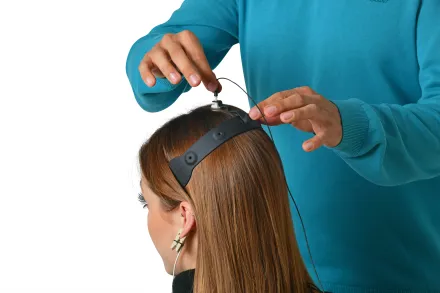
The scalp is a skin surface with its own unique balance, hosting a ecosystem of oil-producing glands, hair follicles, sweat glands, and a diverse array of microorganisms. When we talk about scalp health, we are really describing the harmony between these elements and how they interact with the environment, personal habits, and the products we use. The scalp requires moisture, protection, and gentle stimulation just as the rest of the skin does, but it also benefits from a regular rhythm that respects its natural cycle. A healthy scalp supports strong, resilient hair and a comfortable sensory experience, free from itch, excessive oiliness, or flaking. Understanding that the scalp is part of the body’s larger system helps you make decisions that promote long-term well-being rather than quick fixes that may provide temporary relief but disrupt balance over time.
Within the skin of the scalp, the uppermost layer is constantly renewing, and the follicles beneath are intimately connected to the scalp’s microenvironment. Sebaceous glands produce sebum, which helps to create a protective film but can become overactive in some people or underactive in others. The microbiome that resides on the scalp includes bacteria, fungi, and yeasts that normally coexist with us, contributing to barrier integrity and immune signaling. When this delicate balance is disturbed by harsh cleansing agents, heat, extreme weather, or aggressive styling, the scalp can respond with itching, redness, flaking, or irritation. A thoughtful approach to care recognizes these natural processes rather than simply chasing symptoms, and it centers on consistent routines, gentle products, and attentive observation of how your scalp responds over time.
Daily habits, sleep, diet, and stress levels all influence scalp health in meaningful ways. Hydration and nutrient intake contribute to the skin’s resilience, while sleep patterns affect the body’s restorative processes, including the repair of skin tissue. Regular physical activity can improve circulation, which helps nutrients reach hair follicles. Stress, when chronic, can alter hormonal balance in ways that manifest as oily skin for some and dry skin for others, including the scalp.With this in mind, the goal is to cultivate a routine that respects the scalp’s needs without overloading it with products or irritants. A calm, consistent approach—emphasizing mild cleansing, selective hydration, and protection from environmental stressors—often yields noticeable improvements in comfort, clarity, and confidence over the course of weeks and months. Such an approach also supports longevity of hair health, because the foundation of good hair starts with a well cared for scalp.
Understanding the role of cleansing in scalp health
Cleansing the scalp is not just about removing visible dirt or oil, but about balancing moisture, maintaining barrier function, and preserving the scalp’s microbiome. The ideal cleanser should be gentle, sulfate-minimal or sulfate-free for many people, and formulated to respect the scalp’s slightly acidic pH. When cleansing is too harsh or too frequent, the skin can become irritated, leading to itching and shedding or an overcompensating increase in oil production as the scalp attempts to protect itself. Conversely, cleansing too infrequently can allow buildup that traps sweat, pollution, and dead skin cells, potentially offering a substrate for micro irritants to cling to. The goal is a clean environment that does not strip the skin of its natural oils, leaves it comfortable, and supports a balanced microbial community. The method of cleansing matters as well: gentle massage with the fingertips, avoiding aggressive rubbing, and allowing cleanser to work for a brief period before rinsing can improve effectiveness while reducing irritation.
Choosing the right product requires attention to ingredients and how they interact with your scalp type. For many people, a mild shampoo with a hydrating base can provide adequate cleansing without drying the scalp. Individuals dealing with excess oil might benefit from products with light clarifying properties, but these should be used sparingly to avoid disruption of barrier function. Those with dry or sensitive scalps may prefer richer formulas that deliver moisture more deeply, sometimes including humectants and emollients that help to lock in hydration without creating heaviness. Finally, certain scalp concerns may call for targeted care under professional guidance, such as medicated shampoos that address dandruff, fungal overgrowth, or inflammatory conditions. Clarity about your own scalp’s rhythm and tolerance helps in choosing products that support ongoing balance rather than offering only a momentary sensation of cleanliness.
Building a sustainable washing routine that respects the scalp
Developing a sustainable washing routine means listening to your scalp’s signals and adapting to seasonal changes, activity level, and lifestyle. In warmer months or during periods of higher physical activity, you may notice the scalp becoming oilier more quickly, which can be managed with slightly more frequent cleansing or a lighter product that does not weigh hair down. In cooler, drier seasons, a gentler approach may be beneficial, focusing on hydration, reduced friction, and the use of conditioners that help maintain barrier integrity. The frequency of washing is not universal; what matters is consistency and a routine that minimizes disruption to the scalp’s balance while providing comfort and cleanliness. It is also helpful to consider the overall hair care regimen, including how you rinse, the temperature of water, and the cadence of conditioning, as these factors interact with how the scalp responds to cleansing over time.
Technique matters. Use warm water rather than hot, which can strip oils and irritate the skin. Apply cleanser primarily to the scalp rather than the hair lengths, and work the product through with your fingertips using light, circular motions. Spend just enough time to disentangle oils, perspiration, and dead skin cells without provoking friction that can irritate follicles. Rinse thoroughly to avoid residue that could cause buildup, as leftover product can clog follicles or dull the scalp’s natural texture. When possible, allow the scalp to air dry or use a gentle pat from a soft towel rather than vigorous rubbing that can create microabrasions. This approach contributes to long-term comfort and helps maintain an environment where hair can grow without unnecessary hindrance or irritation.
Dealing with common scalp concerns with care and patience
Many people encounter issues such as flaking, itching, redness, or irritation at some point, and these signals deserve careful attention rather than quick fixes. Dandruff, for instance, often represents a delicate imbalance in the scalp’s renewal process and the resident microbiome. It may respond to gradual adjustments in cleansing frequency, ingredient choices, and hydration rather than to abrupt, aggressive treatments. It is important to differentiate between simple dryness and more complex inflammatory conditions, recognizing that chronic symptoms can reflect an underlying condition that benefits from professional evaluation. A patient, measured approach that emphasizes gentle hydration, barrier-supporting ingredients, and avoidance of irritants tends to yield better outcomes than rapid but unsustainable interventions. When scaling up treatment for persistent or severe symptoms, seeking guidance from dermatologists or trichologists can be a wise step toward diagnosing and addressing root causes while avoiding unnecessary exposure to potentially irritating products.
Conditions such as seborrheic dermatitis or psoriasis may require specialized care. In these contexts, consistent routines that support barrier function and deliver anti-inflammatory effects, alongside professionally guided therapies, often provide the most reliable improvements. In the meantime, maintaining a routine that focuses on mild cleansing, balanced hydration, and careful product selection can help reduce flare-ups and support overall comfort. It is possible to nurture the scalp through a combination of education, patience, and a willingness to adjust practices based on how your skin responds over time, rather than chasing a single definitive solution. This flexible mindset is a practical tool in maintaining scalp health across seasons and life stages.
Seasonal shifts and environmental influences on the scalp
Seasonal changes introduce a cascade of factors that influence scalp health. In dry, cold winters, the air carries less humidity, and indoor heating further depletes moisture from the skin and scalp. This combination can lead to tightness, itching, and a tendency toward visible flaking if hydration strategies are not adjusted. In hot, humid summers, sweat and oil production can rise, and the risk of buildup increases, sometimes triggering discomfort or irritation if cleansing is insufficient. UV exposure, wind exposure, and pollution can also impact the scalp, contributing to sensitivity or oxidative stress that ages the skin and makes follicles more susceptible to irritation. Recognizing these patterns supports proactive care: adjusting cleansing frequency, choosing products with conditioning and barrier-supporting ingredients, and protecting the scalp from environmental stressors through physical barriers or absorbent fabrics when appropriate.
Adapting routines to seasonal realities does not require a dramatic overhaul. Instead, it can involve small, consistent shifts such as slightly adjusting washing cadence, selecting slightly different formulations that emphasize hydration or control oil, and ensuring that scalp protection aligns with outdoor exposure. Mindful changes reduce the perception of discomfort and enhance resilience over time. The goal is to maintain comfort and balance regardless of weather while preserving the integrity of hair follicles and surrounding skin. A thoughtful approach to seasonality also includes paying attention to how sleep, exercise, and nutrition interact with environmental stresses, creating a comprehensive plan that supports long-term scalp vitality.
Moisture management: oils, humectants, and barrier support
Moisture management is central to scalp comfort. The scalp benefits from maintaining an optimal level of hydration without becoming overly slick or greasy. Humectants such as glycerin or certain plant-derived extracts can attract moisture to the outer layers of the skin, supporting pliability and barrier function. At the same time, emollients like light natural oils or silicone-free conditioners can help seal moisture within the stratum corneum and reduce transepidermal water loss. The balance between hydration and occlusion is delicate; too much oiliness can clog follicles or contribute to buildup, while too little hydration can leave the skin dry and prone to irritation. The right combination of humectants and emollients depends on your scalp’s unique needs, which may evolve with climate, activity, or hormonal changes. A measured approach, opting for products that emphasize gentle hydration and barrier protection, tends to yield the most sustainable results.
It is also important to consider oils themselves. Some individuals benefit from light, non-greasy oils that can be absorbed without leaving residue, while others may require richer formulations for deeper conditioning. When applying oils, focus on the scalp sparingly and avoid heavy layering on days when the scalp already feels oily. For those who prefer not to use oils directly on the scalp, applying a small amount along the ends of the hair can reduce breakage without disrupting the root environment. The overarching principle is to support a stable barrier and maintain a comfortable, balanced sensation on the scalp rather than attempting to eradicate every trace of moisture through aggressive measures.
Nutrition, hydration, and internal factors that influence scalp health
Your scalp’s health reflects not only external care but also internal nourishment. A diet that provides adequate hydration, essential fatty acids, and micronutrients supports skin integrity and follicle vitality. Omega-3 fatty acids, found in fatty fish, flaxseeds, and walnuts, contribute to the anti-inflammatory environment that underpins healthy skin. Antioxidant-rich fruits and vegetables help protect skin from oxidative stress and support immune function. Adequate protein provides the building blocks for keratin, the protein that makes up hair, while minerals such as zinc and iron play roles in hair growth and follicle function. Hydration is essential; water helps maintain tissue turgor and supports diffusion of nutrients to the scalp. Adequate sleep and stress management complement dietary strategies by reducing hormonal fluctuations that can affect scalp oil production and skin sensitivity. Rather than relying on a single magical remedy, a holistic approach that includes balanced nutrition, hydration, rest, and physical activity tends to yield the most reliable improvements in scalp comfort and resilience over time.
Some individuals notice that certain foods or beverages appear to affect scalp symptoms, perhaps by altering inflammation or oil production. If you observe patterns, keeping a gentle diary can help you identify correlations and adjust accordingly. This approach supports sensory awareness without becoming obsessive. The aim is to nourish the scalp from within in a way that aligns with overall health, rather than treating the scalp as an isolated problem. When combined with a gentle external routine, dietary strategies can help maintain a steady state of scalp well-being that endures through seasonal and life changes.
Sleep environment, pillow hygiene, and scalp comfort during rest
Sleep quality and the conditions in which you rest influence scalp comfort. A clean sleeping surface minimizes exposure to dust, sweat, and oils that can accumulate on the pillow and transfer to the hair and scalp during the night. Choosing breathable fabrics for pillowcases, regularly washing linens with a mild detergent, and avoiding harsh chemicals on fabrics can reduce irritation risk. For those who experience itching or sensitivity at night, ensuring the sleep surface does not irritate the skin and remains comfortable can significantly improve overall rest and, as a result, scalp recovery. Regularly washing pillowcases and ensuring that sheets are free from allergens contributes to a calmer scalp environment and supports a restorative night’s sleep, which, in turn, supports immune function and skin repair processes that occur during rest.
The act of sleep itself also promotes circumstantial changes in the scalp’s microenvironment, including subtle shifts in fluid balance and temperature. A calm, cool, and dark sleep environment reduces stress on the body and helps maintain a balanced hormonal milieu that supports skin well-being. In addition, avoiding tight headgear or rough fabrics during sleep reduces friction that could irritate the scalp overnight, especially for individuals with sensitive skin or those prone to flaking. Thoughtful adjustments to sleep conditions can be a quiet but meaningful contributor to scalp health that complements daytime routines and product choices.
Scalp massage and stimulation as a routine for circulation and comfort
Gentle scalp massage can be a pleasing and practical part of scalp care. It can improve blood flow to the scalp, help distribute natural oils, and promote relaxation. Massaging with clean hands and using minimal pressure can yield benefits without provoking irritation. A consistent practice, performed with patience and a calm rhythm, can become a meditative part of daily self-care. Some people find that adding a small amount of a conditioning oil to the fingertips can ease glide and reduce friction during the massage, but this should be used sparingly to avoid buildup on the scalp. The benefits of massage arise from consistency and gentleness, rather than forced manipulation, and it can be integrated into a broader routine of cleansing and conditioning to support ongoing health and enjoyment of the hair and scalp.
When performing scalp massage, it is helpful to vary the zones of the scalp to ensure even stimulation while avoiding overworked areas that may be sensitive. Use the tips of the fingers rather than the nails to prevent micro-tears in the skin. After a massage, some individuals like to apply a light, scalp-friendly product to help seal the surface and maintain a comfortable, hydrated feel. The key is to observe how your scalp responds to massage and adjust pressure, duration, and frequency accordingly, keeping the experience relaxing and beneficial rather than stressful or irritating.
Product ingredients to seek and to approach with caution
Product selection should be guided by an understanding of ingredient roles and your scalp’s tolerance. Gentle cleansers that avoid aggressive surfactants, fragrance load, and high concentrations of additives are often better for sensitive scalps. Look for ingredients that support barrier function, such as ceramides, glycerin, and certain fatty alcohols, which can help maintain moisture and reduce transepidermal water loss. For individuals dealing with excess oil or dandruff, actives such as zinc pyrithione or ketoconazole are sometimes recommended, but these should be used under guidance to prevent disruption of the scalp’s natural balance. Tea tree oil and salicylic acid can be helpful in some cases, yet they may not be suitable for everyone and can cause irritation in sensitive individuals if used too frequently or in high concentrations. Reading labels, performing patch tests on a small area, and gradually incorporating new products can reduce the risk of adverse reactions while allowing you to explore beneficial options for your specific needs.
In addition to cleansers, conditioners, serums, and leave-in treatments should be chosen with care. Lightweight, non-irritating formulations that focus on hydration, barrier support, and scalp comfort are often ideal for daily use. Heavy or waxy products may contribute to buildup and clog follicles, especially if not rinsed thoroughly. A thoughtful approach to ingredients—favoring soothing agents, non-irritating fragrances, and non-comedogenic textures—helps maintain a calm scalp environment and supports long-term comfort and vitality of the hair. When choosing products, consider how scent, texture, and residue interact with your routine and environment, and aim for consistency rather than complexity in your regimen.
Styling practices that protect the scalp and promote comfort
Styling choices can significantly impact scalp health. Heat styling, tight ponytails, heavy gels, and certain dyes can contribute to irritation, friction, and traction on the scalp if used aggressively or over extended periods. Protecting the scalp begins with gentleness and restraint: allowing hair to air dry when possible, using heat protectants for heat styling in moderation, and giving the scalp time to rest from constant styling pressures. Choosing hairstyles that minimize tension on the hairline and scalp can reduce the risk of traction-related discomfort, breakage, and follicular stress. When you do use styling products, apply them primarily to the hair shaft rather than the scalp to avoid clogging follicles. If you notice irritation, excessive oil, or itching after a styling session, it may be wise to re-evaluate the product choice, application method, or frequency of use to ensure that styling remains a contributor to confidence and comfort rather than a source of disruption to scalp balance.
Natural textures benefit from light care that emphasizes moisture balance and gentle handling. For individuals with curly or coiled hair, maintaining scalp-friendly practices requires attention to how the hair’s geometry affects sebum distribution and air circulation near the scalp. Regular cleansing that respects the scalp’s needs, combined with light, non-irritating conditioning, can help maintain definition and reduce friction that can irritate the scalp during styling. As with other aspects of scalp care, the emphasis is on sustainable routines that support balance and minimize stress on the scalp and follicles. This approach helps ensure that styling enhances appearance while maintaining comfort and scalp health over time.
Monitoring scalp health and knowing when to seek professional guidance
Ongoing monitoring is a practical habit for maintaining scalp health. Regular self-checks for redness, flaking beyond what is typical for your skin type, persistent itch, unusual hair shedding, or sores near the follicles are important signals. If scalp problems persist despite a gentle, balanced routine, or if symptoms intensify, a professional evaluation can help identify underlying conditions such as inflammatory dermatitis, fungal overgrowth, autoimmune triggers, or other dermatological concerns. Early diagnosis and targeted treatment can prevent progression and reduce discomfort, making professional guidance a wise complement to at-home care. Documentation of symptoms, product changes, and responses to treatments can help clinicians tailor recommendations more precisely to your situation and support a smoother, more effective care plan.
When consulting professionals, you may encounter recommendations for medicated shampoos, topical treatments, or procedural therapies designed to address root causes rather than merely masking symptoms. A collaborative approach that combines medical insight with a patient-centered routine often yields the best long-term outcome. In the meantime, continuing with a gentle cleansing method, barrier-supporting hydration, and mindful product choices helps maintain a stable base while you pursue professional care. The aim is to empower yourself with knowledge, maintain comfort, and sustain scalp health so that daily life remains free from distraction and discomfort.
The practice of healthy scalp care is ultimately about listening to your body and honoring its signals. A consistent routine built on gentle cleansing, thoughtful moisture management, and protection from environmental stressors creates a stable foundation for scalp well-being. By prioritizing nourishment from within, ensuring adequate hydration, and making informed choices about products and styling, you establish a proactive framework that supports enduring comfort and confidence. This patient, informed approach does not seek dramatic miracles but favors steady, reliable progress that respects the biology of your scalp. In time, you may find that small, sustained adjustments yield meaningful improvements in how the scalp feels, how hair behaves, and how you experience daily life with less distraction and more ease.
Ultimately, healthy scalp care is a journey rather than a single destination. It involves curiosity about how your scalp responds to different products, climates, and routines, and a commitment to adapt thoughtfully rather than react impulsively. By combining gentle cleansing, balanced hydration, mindful styling, and a willingness to seek expert guidance when needed, you can cultivate a scalp environment that supports comfort, resilience, and hair vitality across years and seasons. This approach aligns with a broader perspective on personal care that values consistency, patience, and respect for the skin that covers and shields the head, allowing you to move through life with confidence in your scalp’s well-being.