Cortisol is a steroid hormone produced by the adrenal glands as part of the body’s natural response to stress, and it plays a crucial role in maintaining energy balance, regulating blood sugar, and supporting immune function. In healthy amounts, cortisol follows a predictable daily rhythm, rising in the morning to help wakefulness and gradually falling as the day progresses. When stress becomes chronic or overwhelming, this delicate rhythm can become disrupted, leading to elevated levels that may contribute to fatigue, mood disturbances, weight...


In the human body, stress is a biological signal that triggers a cascade of chemical messages designed to mobilize energy and protect the organism. The main hormonal actors in this drama are cortisol, adrenaline, and norepinephrine, released by the adrenal glands as the brain perceives a need to respond quickly. When stress is acute, these hormones help sharpen focus, increase heart rate, and make glucose more available to muscles. When stress becomes chronic, however, persistent elevations in cortisol and related signals can disrupt sleep, sup...
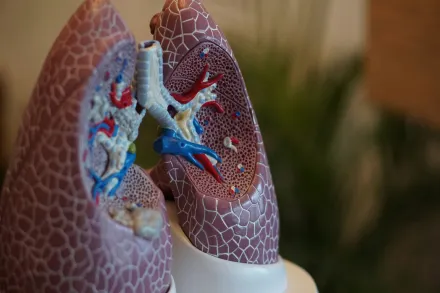
Lung cancer often grows silently and presents symptoms only after it has advanced, which makes timely detection crucial. Readers who are attentive to changes in breathing, cough patterns, or chest sensations can gain an opportunity to seek evaluation before disease progresses. The goal of this guide is to present a clear, patient centered overview of early signals and practical steps to pursue care in a responsible, informed way. By understanding the signs, risk factors, and available screening options, individuals can participate more actively...

Reiki is a tradition that traces its roots to early twentieth century Japan, and its modern form presents a gentle framework for approaching well being through the sense that life energy flows through and around the human body. Within this tradition, practitioners speak of a universal life force that can be channeled through the hands to support balance, harmony, and relief from distress. The names and symbols that are part of training are less important than the experiential quality of attention, nonjudgmental presence, and an intention to eas...

In everyday life many people encounter foods that provoke reactions ranging from mild discomfort to dramatic emergencies. The landscape of how the body responds to what we eat includes two broad categories that are often discussed together but are fundamentally different in their causes and their management: food allergies and food intolerances. This distinction matters because it shapes how a person experiences symptoms, how a clinician investigates the issue, and what kinds of strategies are best suited to reduce risk while maintaining a nour...

When the body carries excess weight, every step imposes a larger mechanical demand on the joints that bear the most load, primarily the knees and hips. The knee joint, with its complex geometry and exposed cartilage, absorbs shock as the foot contacts the ground and the leg rotates in stance. In obesity, the total load transmitted through the knee during walking or stair climbing increases by a significant margin compared with normal weight, leading to accelerated wear of cartilage and changes in the subchondral bone. This mechanical overload c...
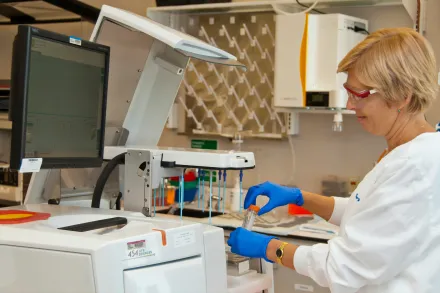
AI-Powered Diagnostics for Early Disease Detection
16 February 2026
In modern medicine, the promise of artificial intelligence to illuminate subtle signals within complex biological data has become a central axis around which many conversations about early disease detection revolve. The landscape expands beyond a single technology or a narrow clinical application and extends into a broad ecosystem that includes imaging, genomic evaluation, wearable sensors, electronic health records, laboratory analytics, and patient-reported outcomes. The core idea is not merely to identify disease when symptoms become apparen...

In medicine, digital twins denote highly personalized, computation based representations of patients, organs, or clinical workflows that evolve over time as new information becomes available. The aim is to create a virtual mirror that can simulate biology, disease progression, and the effects of interventions with the purpose of informing diagnosis, treatment planning, and ongoing monitoring. At its core, a digital twin blends data from diverse sources, mathematical models, and often artificial intelligence to generate predictions that are rele...

The experience of Chronic Fatigue Syndrome, commonly abbreviated as CFS and also referred to as myalgic encephalomyelitis in some contexts, lies at the intersection of biology, medicine, and lived experience. This condition is not simply a heavy feeling of tiredness that comes and goes; it is a persistent, pervasive fatigue that is not relieved by rest and is accompanied by a constellation of other symptoms that can vary in intensity from day to day and from person to person. In many patients, the fatigue is accompanied by cognitive difficultie...

Our self-image is the internal mirror we carry around, reflecting not only how we see ourselves but how we expect others to see us. It is shaped by early feedback, cultural stories, successes and failures, and the ongoing stream of messages we tell ourselves when no one else is watching. The image comprises more than looks; it includes a sense of worth, a perception of competence, and a narrative about what is possible for us in relationships, work, and personal growth. Because this picture lives primarily in the mind rather than on the skin, i...