Men’s skin often carries distinct characteristics shaped by hormones, daily activity, and lifestyle choices, and recognizing these differences helps tailor an effective routine. The presence of higher sebum production in many men can lead to a tendency toward oilier t zones, which means cleansing and balancing products should be chosen with care to avoid leaving the skin feeling tight or dry. The thicker epidermis that some men have can offer resilience, yet it may mask issues that still need attention, such as clogged pores, uneven texture, or...

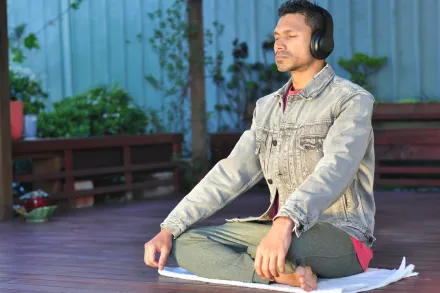
In a world saturated with stimuli and rapid shifts in mood, many people seek a steady inner weather to keep their days productive and relationships healthy. Meditation offers a pathway to emotional balance that does not rely on willpower alone, but on training attention, noticing thoughts without judgment, and choosing responses rather than reflexes. When practiced regularly, meditation becomes a quiet ally that helps the nervous system settle, the breath slow, and the mind turn its gaze inward to understand what is happening inside. This intro...

Across the modern world, chronic disease represents a formidable burden that shapes the length and quality of life for millions of individuals. Cardiovascular conditions, type 2 diabetes, several forms of cancer, chronic respiratory diseases, and a growing spectrum of mental health challenges collectively account for a substantial share of premature mortality and disability. In many regions, sedentary lifestyles and insufficient physical activity amplify the risk of these diseases, while aging populations and urbanization interact with social d...
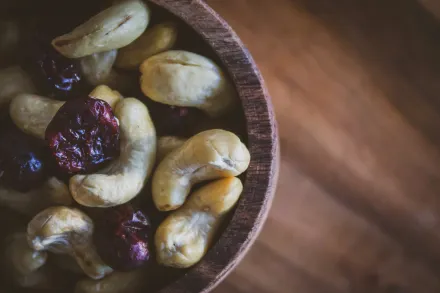
Fermentation is a humble yet powerful biological process that has shaped human diets for millennia. It involves the transformation of raw ingredients by microscopic organisms such as bacteria, yeasts, and molds, which modify sugars, proteins, and fats to create new flavors, textures, and chemical compounds. In many cultures, fermented foods are not only a source of nourishment but also a cultural memory, passed down through generations with regional varieties that reflect local climates, crops, and culinary traditions. The modern embrace of fer...

The liver stands as a remarkable organ at the center of metabolism, detoxification, and nutrient processing. Its health is intricately linked with the foods we choose, the timing of meals, and the balance of macro and micronutrients we provide on a daily basis. Nutritional therapy for liver health seeks to support the liver’s natural pathways, reduce sources of excessive strain, and supply the substrates the liver needs to perform its essential tasks with resilience. This approach emphasizes whole foods, individualized assessments, and a long v...

Bodyweight exercises are a practical gateway to fitness because they rely on your own weight as resistance rather than external equipment. When done consistently, they build strength, improve mobility, enhance balance, and boost cardiovascular health without requiring a gym membership or heavy gear. The idea of incorporating such training daily is not to push through a brutal workout each day, but to weave movement into ordinary routines so that the body remains active and the mind stays engaged. The key is to respect your current capabilities ...

Airborne germs are microscopic particles that can travel through the air in various forms, including respiratory droplets and smaller aerosol particles that linger in enclosed spaces after a person speaks, breathes, coughs, or sneezes. These particles vary in size, in composition, and in how long they can remain suspended in the air, influenced by factors such as temperature, humidity, air movement, and the presence of surfaces that can trap or redirect them. When people gather indoors, the concentration of these particles can rise if ventilati...
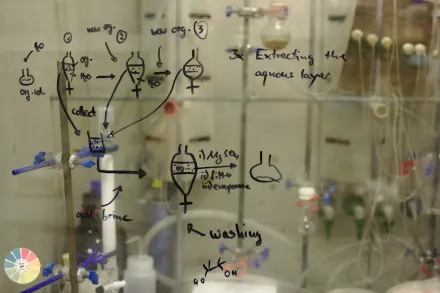
Phytonutrients are a vast and diverse class of compounds produced by plants that play essential roles in the life of the plant itself, helping it resist pests, survive environmental stress, and communicate with its own microbiome. When humans consume plant foods that contain these compounds, the benefit often goes beyond basic calories and essential vitamins, shaping how our cells respond to stress, how our immune system functions, and how our bodies regulate processes such as inflammation and metabolism. The concept of phytonutrients emphasize...
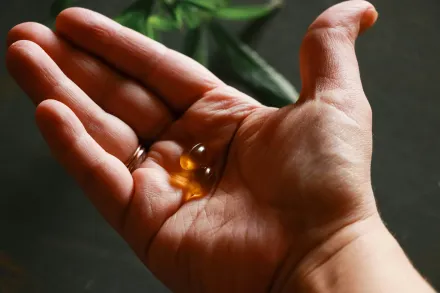
In recent years a growing number of people have explored herbal supplements as a complement to traditional mental health care. This interest reflects a broader shift toward holistic approaches that consider lifestyle, nutrition, sleep, stress management, and social connection as integral parts of emotional well being. Herbal products are appealing to many because they come from natural sources, carry a sense of historical wisdom, and are often accessible in various forms such as capsules, tinctures, teas, and extracts. At the same time the fiel...

Cooking healthier versions of your favorite meals is less about losing the comfort and satisfaction you love and more about rebalancing the elements that make those dishes nourishing and sustainable in your daily life. It is about understanding what changes can preserve texture, aroma, and heartiness while shifting the emphasis toward ingredients that support energy levels, digestion, and long term well being. When you approach meals with curiosity rather than rigidity, you can discover subtle adjustments that enhance nutrition without diminish...