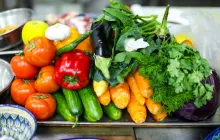
Cooking healthier versions of your favorite meals is less about losing the comfort and satisfaction you love and more about rebalancing the elements that make those dishes nourishing and sustainable in your daily life. It is about understanding what changes can preserve texture, aroma, and heartiness while shifting the emphasis toward ingredients that support energy levels, digestion, and long term well being. When you approach meals with curiosity rather than rigidity, you can discover subtle adjustments that enhance nutrition without diminishing the memories and rituals tied to those dishes. In this exploration you will learn how to evaluate core ingredients, adjust cooking methods, integrate more vegetables, and embrace flavors that satisfy the palate in a balanced way. The goal is to create meals that feel indulgent and satisfying while providing steady fuel for body and mind, so that your favorites remain a source of joy and not a source of guilt or fatigue.
Setting a thoughtful baseline
A thoughtful baseline begins with awareness of portion sizes and overall plate composition. If a beloved dish tends to arrive at the table heavy in refined starches and saturated fat, consider approaching it with a gentle shift rather than a dramatic overhaul. Begin by imagining the plate as a canvas where vegetables and whole grains form the foundation, proteins contribute texture and sustenance, and a modest amount of flavor boosters ties the dish together. This approach does not require you to abandon your cherished recipe but to experiment with small, practical modifications that accumulate over time. By focusing on balance rather than perfection you create a sustainable path toward meals that feel both comforting and energizing. Over days and weeks these small steps become habits that naturally influence choices in other meals, creating a ripple effect that improves overall health without compromising the joy of cooking and eating.
Choosing better ingredients
The quality of ingredients is often the single most transformative element in healthier versions of familiar meals. When selecting proteins, consider lean options such as poultry without skin, fish, legumes, or small portions of nuts and seeds that contribute healthy fats and fiber. In plant based dishes, beans, lentils, and whole grains can replace heavier, refined grains while preserving the heartiness your body expects after a long day. For sauces and dressings, seek simplicity and natural flavor rather than relying on heavily processed components. Fresh vegetables, colorful produce, and whole grains like brown rice, quinoa, or barley not only increase fiber content but also introduce diverse micronutrients that support metabolism and gut health. Even subtle changes in the choice of cooking oils—favoring olive oil, avocado oil, or other unsaturated fats in modest amounts—can alter the health profile without sacrificing texture or taste. Strive for color and variety on the shopping list, and let the pantry reflect a spectrum of nutrients that make cooking more interesting and meals more nutritious.
Smart cooking techniques that preserve nutrients
Certain cooking methods help retain vitamins, minerals, and natural flavors, making meals more nutritious without extra effort. Gentle methods such as steaming vegetables instead of boiling can preserve water soluble nutrients and maintain crispness that adds life to a plate. Roasting or grilling proteins and vegetables often concentrates flavors and reduces the need for heavy sauces. When you fry or deep fry foods, you introduce a sizable amount of fat and calories; replacing these methods with sautéing in small amounts of oil or using nonstick pans can achieve similar textures with less fat. Timing also matters; overcooking vegetables can erase color and crunch, signaling a loss of nutrients. Paying attention to how long ingredients cook and at what heat allows you to protect delicate compounds while still delivering the warmth and aroma that make dishes inviting. Integrating a variety of temperatures and textures keeps meals exciting while supporting a mindful approach to nourishment.
Flavor boosters that cut calories without sacrificing taste
Flavor is the currency of healthy eating, and you do not need to abandon bold tastes to succeed. Fresh herbs like cilantro, basil, parsley, dill, and mint bring brightness that reduces the need for heavy sauces. Spices such as cumin, paprika, turmeric, chili flakes, and coriander add depth without added sugars or fats. Acids from citrus, vinegars, or a splash of fermented products can brighten sauces and dressings, encouraging you to use less oil and salt. Umami compounds found in mushrooms, tomatoes, aged cheeses in small amounts, and miso can elevate savor without pushing calories into excess territory. Combining these elements creates a symphony of flavor that makes healthier versions feel indulgent. When you balance salty, sour, sweet, and savory notes through thoughtful seasoning, you reveal the dish’s inherent character rather than masking it with heavy additions.
Vegetables as the main stars
A simple yet powerful strategy is to let vegetables lead more meals. By increasing the proportion of vegetables in a dish, you introduce fiber, vitamins, minerals, and plant compounds that support digestion and energy. Vegetables can replace or extend starches, adding volume and satisfaction with fewer calories. Techniques such as roasting cauliflower until caramelized, folding roasted peppers and greens into pasta, or layering creamed spinach with lean proteins give vegetables a central role rather than a side note. In soups and stews vegetables provide bulk and texture and can stretch portions meaningfully. When you approach meals with vegetables as the anchor, the meal often feels lighter yet more substantial due to fiber and water content that promote fullness and steady energy. The practice also invites creativity, inviting color contrasts and different flavor profiles that enrich daily meals rather than complicate them.
Smart substitutions for everyday staples
Substitutions offer pathways to healthier outcomes without erasing the essence of a familiar dish. For pasta dishes, swapping part of the flour-based noodles for whole grain or legume-based varieties increases fiber and protein, improving satiety without sacrificing comfort. In creamy sauces, blending in pureed cauliflower or white beans can mimic richness while reducing fat. When a recipe relies on ground meat, mixing in finely chopped mushrooms or lentils can lower fat content and boost volume with a pleasing texture. In place of heavy cream, a reserve of Greek yogurt, silken tofu, or blended white beans can deliver creaminess with more protein and less saturated fat. These adjustments allow you to keep the structure and memory of a favorite dish while shifting the nutritional balance in favorable directions. The key is to experiment gradually, note textures, and adjust seasonings accordingly so each change enhances rather than distracts from the overall experience.
Portion control through mindful plate design
Portion control does not have to feel restrictive when you design plates with intention. A balanced plate often features a generous portion of vegetables, a moderate portion of a healthier carbohydrate, and a reasonable portion of protein. This approach aligns with natural appetite cues and helps regulate energy throughout the day. By visualizing portions at the start of cooking, you can shape the final dish to meet these proportions without hovering over the scale. If you are adapting a recipe that traditionally serves a large amount, consider scaling portions or breaking the dish into smaller meals that can be enjoyed over several days. The idea is to maintain the dish’s identity while creating a sustainable rhythm for meals that keeps you satisfied and nourished, reducing the temptation to overeat when cravings strike after busy days. Mindful plate design invites both pleasure and responsibility into the dining moment without turning cooking into calculation.
Handling fats wisely
Fats are essential for flavor, texture, and calorie density, but they can also tip the energy balance quickly if used in excess. Emphasize unsaturated fats such as olive oil, avocado, nuts, and seeds, and use them as flavor accents rather than primary carriers in every dish. A drizzle of olive oil over roasted vegetables can transform the dish, while still keeping fat within moderate levels. Nuts and seeds contribute crunch, protein, and micronutrients, but portion control matters; a small handful can go a long way in terms of satisfaction. When a recipe calls for heavy cream or cheese, you can often substitute with light dairy options or plant-based alternatives that carry fewer calories and saturated fats while maintaining creaminess. The goal is to preserve the mouthfeel and richness that deliver comfort while guiding the fat content toward a healthier range over time.
Fiber and protein as the foundation
Fiber and protein work together to create lasting fullness and steady energy, helping to curb overeating and energy crashes. When you structure meals around high fiber vegetables, legumes, whole grains, and lean proteins, you set up a favorable physiological response that supports digestion and metabolism. Legumes add plant-based protein and fiber simultaneously, making them a primary anchor in many healthy versions of familiar dishes. Whole grains bring a satisfying chew and sustained energy, while lean proteins provide necessary amino acids for tissue maintenance and repair. By prioritizing these components, you can preserve the satisfaction of your favorite meals while improving their nutritional profile. A thoughtful balance between fiber-rich ingredients and protein also tends to improve flavor perception because it fosters longer-lasting palates and reduces cravings for quick, less nutritious options.
Flavor through acidity and brightness
Acidity acts as a seasoning in its own right, lifting flavors and balancing richness with a clean palate. A squeeze of lemon, lime, or orange can brighten a sauce or simmering broth, and a splash of vinegar can cut through heaviness in creamy dishes. These bright note additions help you reduce fat and salt while maintaining perceived intensity. The key is to add small amounts, taste, and adjust gradually to avoid overpowering the dish. Acidity also complements the natural sweetness of vegetables, turning ordinary bowls into lively meals with a sense of freshness. By incorporating citrus and acidic elements into sauces, marinades, and dressings, you can achieve a more vibrant result with less reliance on heavy fats or salt to carry flavor.
Enhancing sauces with texture instead of heaviness
Sauces often determine the character of a dish, and making them lighter does not have to sacrifice depth. Ground shells of vegetables, pureed legumes, or silken tofu can provide body without saturated fats. In tomato-based sauces, extra vegetables can be cooked down to create a thicker, heartier texture that reduces the need for added fats. In creamy dishes, a blend of cooked white beans or avocado glazed with a touch of olive oil can simulate richness with a healthier profile. By thinking of sauces as flavor carriers rather than calorie boosters, you can retain the pleasure of a luscious finish while steering toward better nutrition. The idea is to layer flavors gradually, taste frequently, and keep a light hand with fats while ensuring the final plate feels cohesive and satisfying.
Meal planning that supports healthier choices
A forward-looking approach to meals reduces stress and supports consistent healthy choices. Planning ahead means identifying a few reliable recipes that you can rotate through weekly, shopping with a focused list, and preparing components in bulk when possible. Batch cooking vegetables, grains, and proteins allows you to assemble meals quickly with minimal waste and maximum control over ingredients. A deliberate plan avoids last-minute decisions that often lead to less healthy indulgences. When planning, consider the balance you want for each day, aiming to include a mix of vegetables, lean protein, and whole grains while reserving occasional indulgences within a framework that keeps overall nutrition on track. This approach creates rhythm and predictability, which helps you stay committed to healthier versions of your favorite meals without feeling constrained or deprived.
Batch cooking and versatile components
Batch cooking is a practical strategy for maintaining nutrition while saving time and reducing stress during busy periods. Preparing large quantities of roasted vegetables, cooked beans, grains, and lean proteins means you can mix and match to create new dishes with minimal effort. A batch of sautéed vegetables can become a base for a quick stir-fry, a hearty wrap filling, or a light topping for grain bowls. Cooked beans can be folded into soups, salads, or pasta dishes to boost fiber and protein. Grains provide a satisfying foundation for a variety of toppings and sauces, allowing you to build diverse meals from a small set of ingredients. The versatility of these components helps you avoid repetitive meals while maintaining a healthful approach, turning planning time into creative exploration rather than a chore.
Transforming popular favorites step by step
Many classic favorites can be adjusted without losing their essence. For example, a traditional creamy pasta can be transformed by swapping part of the pasta with sautéed vegetables such as zucchini ribbons or mushrooms, adding a protein like grilled chicken or beans, and finishing with a lighter sauce that relies on tomato, olive oil, and herbs rather than heavy cream. Stir-fries can incorporate more vegetables at a higher proportion than meat, with a sauce based on low-sodium soy or tamari and a touch of citrus. Even comfort soups and stews can become lighter by increasing the vegetable content, using broth as a base, and choosing lean proteins. The key is to maintain the dish’s recognizable flavors and textures while distributing calories more evenly through higher fiber content and leaner fats. Over time these adjustments become natural and sustainable, allowing you to savor your favorites in a healthier frame of mind and body.
Label literacy and mindful shopping
Understanding product labels helps you make informed choices that align with a healthier cooking approach. Reading nutrition facts can reveal hidden sugars, high sodium, and saturated fats that surprise you at first glance. When selecting packaged ingredients, compare varieties with similar flavor profiles but different nutrient compositions, choosing those with fewer additives and more whole-food ingredients. Be mindful of portion sizes reflected on labels and the serving per container to avoid underestimating calories. By cultivating a habit of reading labels and choosing simpler, more natural components, you reinforce a healthier pantry and kitchen. This practice also empowers you to decode marketing claims and select options that truly align with your health goals rather than relying on glossy packaging or vague promises. Over time, label literacy becomes second nature, supporting steadier energy, better digestion, and a more intuitive approach to cooking.
Mindful snacking and dessert choices
A healthier approach to meals includes mindful decisions about snacks and desserts that accompany main dishes. Choosing fruit, yogurt, or a small handful of nuts can satisfy sweet or savory urges without tipping the day toward excess. When cravings arise for richer comforts, you can craft lighter variations that still feel indulgent. For instance, a baked fruit dessert with a touch of cinnamon and a modest portion size can satisfy a sweet tooth while providing fiber and nutrients. In savory snacks, options like roasted chickpeas or vegetable chips can deliver crunch and satisfaction with a better nutrient profile than traditional fried snacks. The overarching principle is to preserve the ritual and enjoyment of tasting something special while ensuring that the choices support steady energy and digestion rather than a quick spike and crash in blood sugar.
Seasonal adjustments and sustainability
Tuning meals to seasonal produce strengthens flavor and reduces environmental impact. When vegetables are in peak season, they naturally offer more intense taste and cost efficiency, making it easier to include them generously in recipes. Seasonal produce also aligns with a sustainable eating pattern, supporting local growers and reducing the carbon footprint associated with long supply chains. By rotating in-season vegetables and fruits, you invite variety into the menu and provide a spectrum of nutrients across the year. This approach complements the long-term goal of healthier meals by reinforcing a connection to the natural cycles of food, encouraging you to experiment with new flavors and textures as seasons change. Embracing seasonality can transform cooking from a routine into a lively, expressive practice that honors health, taste, and the planet simultaneously.
A holistic view: health, joy, and long-term habits
A holistic approach to making meals healthier emphasizes the harmony between nourishment, satisfaction, and longevity. It is not about restriction, but about cultivating a repertoire of techniques, ingredients, and mindsets that support well-being while preserving the sense of joy that makes cooking worthwhile. When you treat meals as opportunities to nurture the body and nurture relationships—sharing food with family or friends, enjoying conversations at the table, and savoring textures and aromas—you reinforce a positive association with healthy choices. This mindset helps you persevere through busy seasons and dietary temptations because the goal becomes sustaining energy and mood rather than chasing flawless perfection. With time, healthier versions of favorite meals become not a compromise but a natural extension of a lifestyle that values taste, nourishment, and resilience.