Fruits bring a bright spectrum of flavors, textures, and nutrients into daily life, acting as natural sources of hydration, fiber, vitamins, minerals, and a sweep of phytonutrients that support overall health. Yet even with clear benefits, many people find it challenging to weave fruit into every day in a way that feels effortless rather than burdensome. The goal here is not to impose strict quotas or to turn fruit into a chore, but to reveal a set of flexible, creative, and practical approaches that enable you to enjoy more fruit without sacri...


In a world saturated with distractions and constant information streams, mental clarity is a prized asset. The ability to think clearly, focus on tasks with precision, and retrieve memories with speed depends not only on sleep and stress management but also on the foods we choose each day. Nutrition science increasingly shows that the brain is a dynamic organ that responds to nutrients just as muscles respond to training. The foods we eat influence brain energy metabolism, neurotransmitter synthesis, nerve signaling, and the delicate balance of...

Pollution is more than a distant urban problem; it brushes against the skin of every urban dweller and even reaches suburban environments through wind, traffic, and industrial emissions. The outermost layer of the skin, the stratum corneum, acts as a barrier, yet it is constantly challenged by a mix of particulate matter, chemicals, and gases that accompany modern life. The consequences of exposure are not only immediate irritations like redness, itching, and dullness, but also longer term changes in texture, tone, and resilience. In a world wh...

Prolonged sitting is a common reality for many people, yet the posture you adopt while you work has outsized effects on comfort, energy, and long term health. Even small shifts in alignment can reduce strain on the neck and lower back, prevent the creeping stiffness that arrives after hours in a chair, and influence breathing, digestion, and focus. The aim of this article is not a rigid prescription but a practical guide to building awareness of how you sit, how your body coordinates itself in space, and how simple, repeatable adjustments can b...

Preventive medicine stands as a philosophy of health that prioritizes preventing illness before it arises, rather than merely treating disease after it appears. It encompasses a broad array of actions designed to reduce risk, detect early signs of trouble, and preserve well being across the life span. At its heart is the belief that health is not a passive state but a dynamic achievement shaped by choices, environments, policies, and timely interventions. By focusing on vaccination, health education, early screening, lifestyle modification, and...
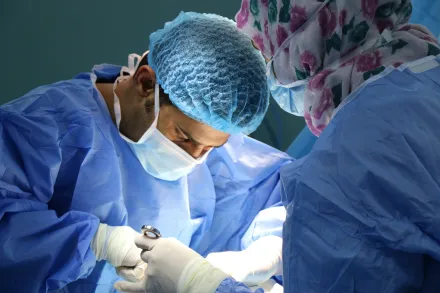
In the realm of medicine, surgery stands as a powerful tool to treat disease, repair injury, and restore lost function. Yet every surgical intervention carries a set of risks and a projected set of benefits that can vary widely from one patient to another. This article explores the nuanced landscape of surgical risk and benefit, and it does so with an emphasis on clear, patient-centered understanding. It invites readers to consider how risks emerge from the interaction of a patient’s overall health, the specifics of the procedure, and the envir...
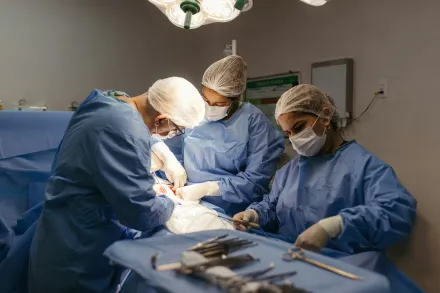
Understanding surgical recovery is a multifaceted journey that blends physiology, patient engagement, medical guidance, and practical daily routines. After a surgical procedure, the body enters a period of rapid adjustment as tissues repair, inflammation subsides, and functional capacity slowly returns. This process is influenced by the type of surgery, the area of the body involved, the patient’s age and overall health, and how well the patient adheres to medical advice. A clear picture of how recovery unfolds helps patients set realistic expe...
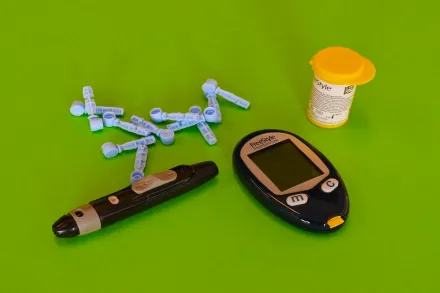
Diabetes is a condition that, when managed well, does not have to lead to the complications that many fear. The road to preventing complications is built on consistent habits, informed medical care, and daily routines that protect the body’s most vulnerable systems. This article explores a comprehensive approach to reducing the risk of common diabetes related complications, including cardiovascular disease, kidney damage, eye problems, nerve injuries, and infections. It emphasizes practical steps, explains why each component matters, and descri...

Sun exposure is one of the most powerful environmental forces that shape the health and appearance of your skin, and it works in ways that are often unseen until damage accumulates. Ultraviolet radiation from the sun penetrates the skin in different depths and through different mechanisms, gradually altering cells and tissues. Over time, this exposure contributes to premature aging, such as rough texture, loss of elasticity, and the appearance of sun spots or uneven pigmentation. It also raises the risk of skin cancers, including melanoma, whic...

A plant-based diet is more than a trend in food culture; it is a pattern of eating that prioritizes a wide array of vegetables, fruits, legumes, whole grains, nuts, seeds, and herbs while minimizing or excluding animal products. In the field of nutrition science, the immune system is understood not as a single entity but as a dynamic network of cells, tissues, and signaling molecules that work together to defend the body against pathogens and to repair tissue after injury. The way we eat influences this system at multiple levels, from the integ...