Emotional triggers are experiences that awaken intense feelings from past events, memories, or unresolved conflicts. They do not necessarily reflect the current situation as it appears on the surface; rather, they resonate with something stored in the body or mind from earlier chapters of life. When a trigger is activated, the nervous system shifts into a heightened state, and a cascade of sensations, thoughts, and urges can surge forward. In that moment, the mind may interpret a present cue as if it were a threat, and the body may respond with...
Mental Health

In this expansive exploration, we delve into bipolar disorder as a condition that touches mood, energy, thinking, and behavior in ways that can alter daily life and long-term plans. People with bipolar mood patterns experience cycles that swing between contrasting emotional states, and these cycles may be accompanied by shifts in sleep, appetite, motivation, and cognitive clarity. The condition is not a simplistic character flaw or a temporary mood; it is a neurobiological pattern that involves the brain’s reward and stress systems, the balance...
Workplaces are complex ecosystems where demands, routines, social interactions, and personal expectations constantly interact. For many people, that dynamic can trigger or amplify anxiety in ways that feel uneasy, persistent, and sometimes overwhelming. However, anxiety at work is not an immutable fate, and with careful attention to patterns, practical strategies, and supportive resources, it is possible to transform the experience from a source of distress into a signal for needed changes. This article explores a broad set of approaches that c...

Workplace stress is a universal experience that can shape how people perform, relate to colleagues, and feel about their daily work. In contemporary organizations, the pace of change, the pressure to deliver results, and the constant connection enabled by technology combine to create a climate where stress can accumulate quickly if it is not recognized and managed. Rather than treating stress as a nuisance or a personal failing, it is more productive to view it as a signal that something in the environment or in personal routines needs adjustme...
Social pressure is a force that most people encounter in daily life, arising from the shared expectations, norms, and values of a group. It is not simply about others instructing us what to do; it is about the subtle and sometimes overt cues that guide behavior, judgments, and choices. Humans evolved in social communities where belonging meant safety and access to resources, so the instinct to fit in became deeply embedded. When a group signals what is acceptable or desirable, individuals tend to align their attitudes and actions to minimize ri...

When a family member partner or close friend faces a mental health challenge it can feel overwhelming for everyone involved. The journey toward understanding and meaningful support begins with recognizing that mental illness is a health condition like any other it affects thoughts mood energy motivation and daily functioning. This recognition opens the door to practical compassionate steps that can ease suffering while preserving dignity and connection. The aim of supportive care is not to fix everything overnight but to create a steady environ...
Emotional awareness is the capacity to recognize, name, and reflect on feelings in oneself and others. For children, developing this skill is not only a window into inner life but a foundation for healthy relationships, learning, and resilience. When caregivers speak about feelings openly, model calm handling of strong emotions, and provide safe spaces to explore what a mood feels like, children gradually move from instinctive reactions to thoughtful responses. This process begins early and is reinforced day by day in ordinary moments.

Burnout is a state that creeps in when the demands of work and life extend beyond a person’s capacity to cope, leaving behind a trail of fatigue, detachment, and diminished effectiveness. It often begins subtly, with small cues that can be mistaken for ordinary stress or temporary moodiness. Recognizing these early signs is essential because timely recognition makes it possible to intervene before burnout deepens and starts affecting physical health, personal relationships, and long term career satisfaction. This article explores how to identif...

Work stress is a shared experience in modern life, and its effects can ripple through attention, mood, sleep, and even physical health. This article approaches mental wellness as an ongoing practice rather than a single remedy. It invites readers to explore practical, humane strategies that fit a variety of roles, industries, and personal circumstances. The goal is to create a sense of steadiness that remains accessible during busy days, meetings, deadlines, and shifting priorities. By cultivating small but consistent habits, individuals can de...
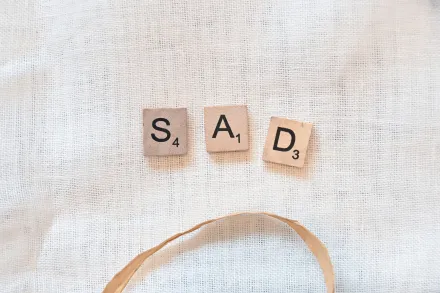
Seasonal Affective Disorder, commonly abbreviated as SAD, represents a distinctive pattern of mood disruption that follows the changing seasons. It is not simply a temporary mood dip, but a recurring condition in which depressive symptoms intensify during particular times of the year and abate as those seasons shift. Although SAD most often emerges in the winter, with shorter daylight hours and colder temperatures, there are individuals who experience a reverse pattern, with symptoms intensifying during the spring or summer. The complexity of S...