In a world that moves at a relentless pace, stress often settles into the routine of daily life as an unseen companion. Rituals are not about adding complexity but about shaping predictable patterns that invite the nervous system to soften, the breath to deepen, and attention to settle. When daily life is structured around small, reliable acts, the mind learns to anticipate safety, switching from alarm to ease. This article invites you to explore a philosophy of daily rituals that are practical, humane, and adaptable to varied schedules, enviro...
Mental Health


Emotional clarity can feel like a moving target in the middle of a busy life, where thoughts collide with feelings and every concern wears a different face. Journaling, at its core, is a disciplined conversation with that inner landscape. It provides a quiet, structured space where sensations, memories, beliefs, and desires can be named, examined, and understood with calm attention. When practiced with intention, journaling becomes more than a diary of events; it becomes a map that guides us through our internal weather, helping us see patterns...

In every waking hour we are confronted with choices that shape mood, resilience, and energy. A daily mental health routine is not a rigid cage but a flexible map that nudges attention toward what matters. It creates consistency across the day so that the mind has predictable signals rather than constant reactive spikes. When we think about routine in this sense, we are not trying to eliminate variability or spontaneity; we are trying to establish reliable anchors that support emotional balance, provide a sense of agency, and reduce the cognitiv...
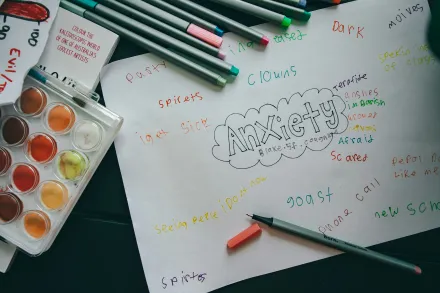
Art therapy stands at the crossroads of creativity and psychology, a discipline that recognizes how our minds speak through images, colors, textures, and shapes as much as through words. It offers a different kind of doorway into inner experience, one that does not require mastery of visual technique or perfect articulation of thoughts. Instead, it invites a person to engage with material, process, and meaning through selective attention, sensory exploration, and symbolic expression. The result is often a shift in perspective, a lowered thresho...

Overthinking is a common mental habit that can derail focus, drain energy, and cloud judgment. It often starts with a small observation that spirals into a maze of possibilities, what-ifs, and self-scrutiny. The brain tends to ruminate when faced with uncertainty, risk, or the pressure to perform perfectly. In daily life overthinking shows up as replaying conversations, revisiting past decisions, second-guessing future steps, and creating mental loops that consume time and attention. The energy that could be directed toward action ends up trapp...

Mood swings are a common human experience, arising from a blend of biology, environment, and daily habits. They can range from brief periods of irritability to sudden shifts toward sadness, anxiety, or excitement, sometimes impacting relationships, work, and daily functioning. This article approaches mood swings with a practical, compassionate lens, offering readable guidance built on contemporary psychology, neuroscience, and everyday self-care. The aim is not to eliminate emotion but to increase awareness, reduce the intensity of abrupt chang...
Chronic worry is a persistent pattern of apprehension and rumination that intrudes into daily life, often creeping in at predictable times and invading both thoughts and emotions. It can feel like a weight on the chest, a knot in the stomach, or a constant hover of what if that never fully clears. People may notice that sleep is disrupted, concentration slips, and even simple decisions become sources of fatigue and self doubt. This article explores practical, science-informed ways to understand and manage chronic worry, offering a path toward s...

The nightoften presents a paradox: the soft darkness invites rest, yet for many minds it also invites a cascade of thoughts that linger, loop, and amplify. This is not merely a nuisance but a common barrier to falling asleep and staying asleep. When the brain perceives inactivity as a stage for unresolved concerns, it can escalate arousal through the sympathetic nervous system, releasing signaling chemicals that heighten alertness. The result is a stubborn barrier between wakefulness and the careful, healing stages of sleep. Understanding that ...

Laughter is often encountered as a spontaneous act that bubbles from the moment or arises in a social moment when something suddenly strikes the sense as amusing. Yet beneath its surface appearance lies a practical mechanism by which the human organism negotiates the pressures of daily life. Stress is a universal experience that engages the nervous system, the endocrine pathways, and a network of mind and body interactions designed to mobilize resources for challenge and threat. When laughter enters the scene, it can interrupt, redirect, and so...

Stress is a natural response that primes the body to react to challenges, but persistent stress can wear down the mind and body. Exercise acts as a moderator by engaging the cardiovascular system, releasing endorphins, and altering brain chemistry in ways that soften the impact of stress. When you move, your brain increases the production of neurotransmitters like serotonin and dopamine, which helps elevate mood and improve focus. In addition, regular physical activity reduces the release of stress hormones such as cortisol, easing the cascade ...