Therapy stands as a central pillar in the journey of mental health recovery, serving as a structured, personalized pathway through which individuals translate distress into understanding, coping, and growth. It operates not as a one size fits all prescription but as a dynamic collaboration between a trained professional and a person seeking relief, meaning, and a more adaptive relationship with themselves and others. In the experience of recovery, therapy helps translate pain into skill, fear into insight, and isolation into connection. It crea...
Mental Health

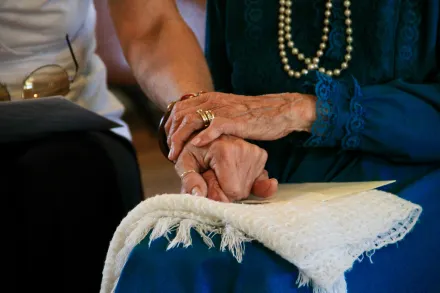
Caregiving often begins as a quiet shift in daily life, a transition that unfolds gradually as the needs of a loved one become more evident and demanding. The caregiver may notice small tasks growing into full days filled with coordinating appointments, monitoring medications, and navigating unfamiliar medical language. This evolving role reshapes not only routines but identity, as a person who once had a clear sense of time and purpose now finds meaning braided with uncertainty. In this landscape, emotions can swing between steadfast resolve a...

Chronic worry is more than a fleeting concern. It is a pattern of persistent, often intrusive thoughts about potential risks, imagined futures, or unsettled possibilities that can linger long after the event has passed. In many people, worry starts as a normal response to uncertainty, but over time it can become automatic, taking up mental space and shaping how they approach daily life. When worry becomes chronic, it can feel as though worry has its own voice in the head, repeatedly returning to similar themes without offering solutions. This n...

The contemporary environment is saturated with screens, notifications, and digital streams that shape how people think, feel, and relate to others. Mental health emerges from a dynamic interplay between biology, psychology, social context, and the cultural milieu in which people live, and technology has become both a source of stress and a powerful ally in managing distress, resilience, and recovery. This article explores the multifaceted ways that technology interacts with mental health, highlighting mechanisms, benefits, risks, and practical ...

Stress is a natural part of life, a response that alerts the body and mind to challenges that require attention, energy, and resourcefulness. In everyday terms, stress shows up as a surge of vigilance, a quick tune of the nervous system toward action, and a desire to protect oneself or to cope with demands. When stressors are transient and manageable, this response can be adaptive, helping a person react quickly, solve problems, and stay safe. When stress becomes frequent or chronic, however, the body can stay in a heightened state for too long...
Anxiety disorders are a group of mental health conditions that touch the daily lives of many people in deeply meaningful ways. They are not simply a matter of being worried from time to time, nor are they a sign of weakness or personal failure. Rather, anxiety disorders involve patterns of excessive fear, worry, and physical symptoms that persist beyond what is culturally expected or proportionate to the situation. This introduction is not a single summary but a doorway into a broader landscape in which biology, environment, life experience, an...
Understanding anxiety requires seeing it as a real and varied experience that lives inside the person, shaping thoughts, sensations, and choices in ways that can be confusing both to them and to those around them. Anxiety is not a single uniform condition but a spectrum of feelings, body signals, and mental patterns that can intensify in response to stress, uncertainty, or change, yet also recede in calmer moments. The person you want to support may struggle with racing thoughts, a sense of impending danger, physical symptoms such as a fast hea...

Understanding psychosis involves exploring a constellation of experiences that can disrupt how a person perceives reality. Psychosis is not a single symptom but a collection of experiences that may arise from a range of conditions, including primary mental health disorders, medical illnesses, medications, or substance use. People who encounter psychosis often report sensations that feel intensely real to them even when those experiences are not shared by others around them. Recognizing these experiences early can help families, friends, and cli...

In today’s world the term self care often appears as a quiet whisper among more immediate concerns yet it stands as a foundational practice for healthy mental functioning. Self care is not a luxury reserved for leisure seekers or perfectionists; it is a set of deliberate actions that nurture the mind, restore emotional balance, and create a resilient baseline from which individuals can face daily challenges. The practice is both simple and profound, demanding consistent attention rather than sporadic bursts of effort. When people learn to treat...

Coping is a fundamental human skill that helps people manage the pressure of daily life, the blow of tough experiences, and the slow burn of chronic stress. Healthy coping strategies are not about erasing difficulty or pretending problems do not exist; they are about meeting them with steadiness, clarity, and a sense of self-efficacy. When coping is healthy, it reduces the intensity of distress without generating new problems, preserves a sense of worth, and supports continued functioning at home, work, and within relationships. By contrast, ma...