Across cultures and throughout history, people have intuited that what we eat can shape how we feel, think, and cope with daily life. In modern science this intuition has evolved into a robust field that examines the complex networks connecting nutrition, the brain, and emotional well being. Nutrition does not operate in isolation; it interacts with genes, hormones, the immune system, the gut microbiome, sleep, physical activity, social environment, and stress. Taken together, these interactions help explain why a balanced diet can support resi...
Mental Health

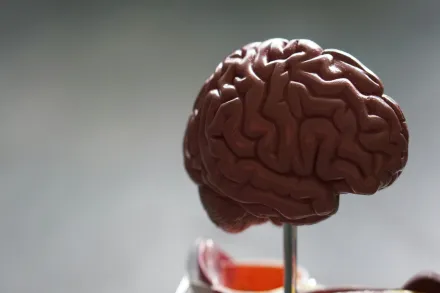
Nutrition acts as a foundational driver of brain health across the lifespan, shaping how neurons communicate, how quickly networks form during development, and how resilient the brain remains in the face of aging or injury. The brain is energetically demanding, consuming a substantial portion of the body's energy despite comprising a fraction of body weight. This metabolic intensity means that the quality, timing, and composition of dietary intake can influence cognitive performance, mood regulation, and the brain's capacity to adapt to changin...

Mindful communication is a practice that invites you to slow down the rapid stream of words that often fills conversations and to replace it with presence, intention, and care. It is not about winning an argument or delivering a flawless message, but about creating space for understanding, about listening so deeply that the other person feels seen, and about speaking in a way that respects both the truth you carry inside and the person in front of you. When this practice becomes habitual, ordinary exchanges can transform into simple acts of con...

In a world saturated with information, deadlines, and constant alerts, the experience of stress has become a common companion for many people. Mindful stress reduction offers a way to meet this pressure with awareness rather than automatic reaction. The underlying idea is not to erase stress but to observe it with curiosity, to notice the bodily sensations, thoughts, and emotions that arise, and to choose responses that align with long term well being. By training attention and adopting a compassionate stance toward one’s own experience, indivi...

Boundaries are not barriers that isolate us from the people we care about, nor are they rigid walls designed to punish or control. They are living guidelines rooted in self awareness that help clarify what is acceptable and what is not, and they invite a shared standard of respect between two or more people. Healthy boundaries arise from a deep understanding of one’s needs, values, and limits, and they are negotiated in a way that honors both personal autonomy and mutual care. When boundaries are clear, communication becomes a natural extension...
Depression is a complex and deeply personal experience that affects people differently. For someone you care about, generous listening, steady presence, and thoughtful actions can be more supportive than well-intended but misguided advice. Understanding that depression is not simply sadness that vanishes with a good mood but a medical condition that alters mood, energy, motivation, and daily functioning is essential. The person may feel weighed down by thoughts, overwhelmed by small tasks, and isolated even when surrounded by others. The role o...

In a world saturated with notifications, multitasking demands, and the constant hum of information, the ability to sustain attention often feels like a superpower reserved for a few. Yet the discipline of meditation offers a quiet, accessible approach to strengthening focus that does not rely on willpower alone. Rather than trying to silence the mind with brute effort, meditation trains the mind to settle, observe, and reorient with greater ease. The promise is not instant perfection but a measurable shift in how attention is directed, held, an...

Social anxiety arises when the mind interprets social interaction as a potential threat, even in situations that may be ordinary for others. This perception is not a simple fear of crowds or judgment; it often includes an internal dialogue that magnifies perceived mistakes, anticipates embarrassment, and assigns harsh judgments to one’s own social performance. The body then responds with sensations that can be unsettling, such as a quickened heartbeat, shallow breathing, tense muscles, and a sense of fluttering nerves in the stomach or chest. R...

Fear and uncertainty live inside nearly every human mind, interwoven with the rhythm of daily life and the larger tides of history, technology, and social change. They arrive as quiet unease in the morning or as a sudden surge when plans crumble, and they often carry with them a mixture of alertness, doubt, and urgency. Yet fear is not an enemy to be vanquished, but a signal that something matters and that action or reflection is required. Uncertainty, in turn, is not a personal defect but a condition of living in a world that does not reveal a...

Perfectionism often grows in the soil of early expectations, whether voiced by family, teachers, or peers, and it can take root as a way to protect the self from criticism. When approval feels scarce or unreliable, the mind may latch onto flawless outcomes as a shield against discomfort, embarrassment, and failure. In many cases perfectionism is less about the actual task and more about a need to control the narrative of who we are. This dynamic can be reinforced by messages about merit and worth being tied to results, rather than the effort, l...