Green tea has long stood as a quiet, dependable companion in daily life, offering a gentle lift in energy, a nuanced flavor profile, and a sense of ritual that invites steady, mindful sipping. In contemporary science, this familiar beverage is examined not only for its taste and cultural significance but also for its chemical makeup, which includes a rich array of polyphenols, catechins, and amino acids that can interact with the body in subtle and meaningful ways. The leaves used to produce green tea are typically harvested at peak freshness a...
Health & Wellness


Hydration is an invisible foundation of everyday health, yet it is easy to underestimate how much it powers the body’s quiet, essential operations. Water is not merely a thirst quencher; it functions as a solvent, transport medium, coolant, and participant in countless biochemical reactions. When hydration is optimal, organs work more efficiently, joints move with less friction, skin maintains its barrier function, and cognitive processes—from attention to memory—tend to perform more smoothly. Conversely, even mild dehydration can creep into a ...

Inflammation is a natural and essential part of the body's defense system, a carefully orchestrated response that helps wounds heal, fights infections, and signals immune activity. Yet when the inflammatory response becomes chronic, how the body processes signals and nutrients can shift, contributing to a landscape of health challenges. A growing body of research suggests that the food we eat can influence inflammatory pathways at a molecular level, modulating the activity of immune cells, enzymes, and signaling molecules that govern inflammati...

Detoxification is a word that evokes images of cleansing regimens and drastic routines, yet at its core detoxification is a natural and ongoing process that the body performs every day. Rather than chasing dramatic changes that promise quick results, the most effective approach is to support the body's own systems with mindful choices that nurture organ function, cellular health, and balance. When the liver, kidneys, lungs, skin, and gut operate well, the body naturally eliminates metabolic byproducts, environmental chemicals, and other unwante...

The human digestive system is a marvel of coordinated processes that transform the foods we eat into usable energy, nourish tissues, and ultimately regulate the rhythms of daily life. Among the most influential components guiding this complex system is dietary fiber, a diverse group of plant-based carbohydrates that resist human enzymes yet are readily manipulated by the diverse microbes that inhabit the gut. Fiber’s impact extends far beyond simply moving matter through the intestines; it interacts with your microbiome, influences stool consis...

In modern offices many hours are spent seated at a desk, staring at screens, and moving mainly at the speed of a keyboard. This quiet, persistent stillness can accumulate into stiffness, reduced circulation, and fatigue that sneaks into both the body and the mind. Yet minutes of purposeful movement scattered through the workday can counteract these effects, improving posture, buoying energy, and sharpening concentration. The goal of the exercises described here is not a dramatic workout but a steady, practical routine that fits into a typical w...

Joint pain is a common experience for many people as they navigate the complexities of aging, physical activity, and everyday life. While medications and medical interventions have their place, a growing body of experience and research highlights the power of natural strategies that address the root causes of discomfort rather than merely masking symptoms. This guide explores a comprehensive, accessible approach to reducing joint pain through lifestyle choices, daily practices, nutrition, movement, and mindful care. It offers a practical pathwa...

Good posture is more than standing tall or sitting upright for a photograph. It is a dynamic pattern of alignment and balance that allows the spine, muscles, and soft tissues to work together efficiently. When posture is balanced, the load carried by the spine is distributed across the joints and supporting structures in a way that minimizes unnecessary strain. When posture deviates from this balance over extended periods, stress accumulates in regions of the back, neck, shoulders, and hips, and pain can emerge as a signal that tissues are bein...

In a world that often equates productivity with a cup of hot brew, finding durable methods to sharpen concentration without relying on caffeine can feel like a quiet revolution. This exploration goes beyond simple tips and dives into the architecture of attention, the rhythms of daily life, and the subtle cues that signal the brain to stay engaged. It begins with the recognition that focus is not a single talent but a dynamic set of processes that can be trained, supported by habits, environments, and intentional practice. The goal is to cultiv...
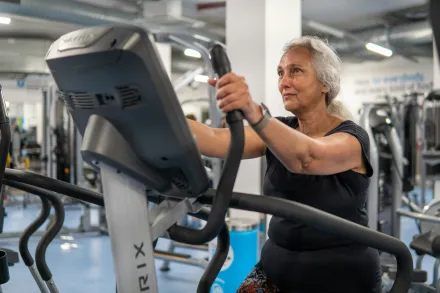
Active aging is a multifaceted journey that benefits from a structured approach to physical fitness, and among the options available, strength training stands out as one of the most impactful for older adults. While cardiovascular exercise often takes center stage in popular messaging, lifting weights or using resistance bands provides a unique set of advantages that target the muscles, bones, joints, and nervous system in ways that running or cycling alone cannot replicate. For seniors, building and preserving muscle mass is not simply about v...