Hydration is one of the most practical and accessible forms of self care, especially when the days grow longer and temperatures rise. During summer, the demand on our bodies to regulate temperature, support metabolism, and preserve energy increases significantly. Understanding how the body uses water and electrolytes helps you approach hydration not as a fixed rule but as a responsive habit that adapts to weather, activity level, and personal physiology. In this broader view, staying hydrated becomes less about chasing a single number and more ...
Health & Wellness

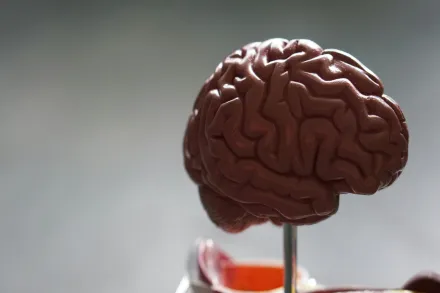
In the quest to support sharp thinking, steady mood, and resilient memory across life, nutrition stands as a foundational partner to exercise, sleep, and stress management. The brain is an energy hungry organ that accounts for a sizable portion of daily metabolic demand, and its functioning depends on a continuous, well balanced supply of nutrients. What you eat can influence attention, learning speed, problem solving, and emotional regulation, as well as how the brain repairs itself after cognitive challenges. A thoughtful nutrition plan consi...

Emotional intelligence stands as a practical and influential framework for understanding how feelings shape thoughts, decisions, and actions. It is not a single force but a constellation of abilities that begin with sensing what is happening inside and around us, then interpreting those signals with clarity, and finally choosing behavior that aligns with long term goals rather than immediate impulse. This foundation rests on the conviction that emotions are not obstacles to be suppressed but information to be interpreted, acknowledged, and harn...

Mental health days are periods set aside to care for one’s emotional and psychological well-being rather than to address a physical illness. They are not simply a euphemism for taking a sick day, though they may overlap when stress or anxiety manifests as fatigue or bodily symptoms. At their core, mental health days acknowledge that mental energy, mood regulation, and cognitive clarity are essential resources for everyday functioning. When someone takes a mental health day, they are prioritizing recovery from emotional strain, recharging the ne...

As people live longer, the desire to maintain vitality without depending on medications becomes more common. This article explores practical paths to aging with grace through everyday choices that support the body and mind. It emphasizes sustainability, personalization, and the idea that small, consistent actions accumulate into meaningful health benefits over time. While medications can play important roles for many conditions, there are numerous lifestyle strategies that help manage risk factors, improve functional capacity, and enhance quali...

Endorphins are a family of naturally occurring peptides that the body manufactures to regulate pain, mood, and responses to stress. They are produced in several brain regions, including the hypothalamus and the pituitary gland, and they travel through neural circuits to bind to specialized receptors called opioid receptors. The main receptor types are mu, delta, and kappa, each contributing to subtle differences in how endorphin signaling alters perception and emotion. The result is a complex, context sensitive modulation rather than a single u...

Motivation is a living process rather than a fixed trait, a dynamic energy that rises and falls with everyday experiences, mood, social cues, and the tangible outcomes you notice in your body. People frequently mistake motivation for intensity, assuming that a strong start guarantees sustained change, only to discover that enthusiasm fades when the initial spark is not reinforced by meaningful results. The shift toward lasting healthy eating begins with a shift in perspective: viewing meals not as strict rules to be followed but as practical to...

In the vast landscape of health, sleep stands as one of the most powerful yet often overlooked determinants of body weight. People frequently equate weight management with diet plans, exercise regimens, and calorie counting, but the way we sleep can tilt the scales in subtle and profound ways. When sleep is scarce or fragmented, the body’s hormonal orchestra shifts in ways that increase appetite, skew food choices toward energy-dense options, and disrupt the delicate balance between energy intake and expenditure. This interplay between rest and...
Understanding energy and metabolism requires a window into how the body converts food into fuel that powers every breath, every thought, and every movement. At the core of this system are tiny structures called mitochondria that act like power plants inside cells, turning the carbohydrates, fats, and proteins we eat into adenosine triphosphate, the molecule that stores and releases energy as needed. This process is guided by a complex network of enzymes and coenzymes that rely on essential vitamins and minerals to operate efficiently. Energy ba...

In the landscape of modern work and study, focus often feels like a scarce resource that slips away just when it is needed most. People chase longer stretches of uninterrupted work, yet the constant ping of notifications, multitasking temptations, and internal worries can erode attention before a single meaningful outcome is achieved. Meditation presents a practical path to train the mind toward steadiness, clarity, and intentional action. Rather than seeing focus as a rare gift, this perspective treats it as cultivated discipline that strength...