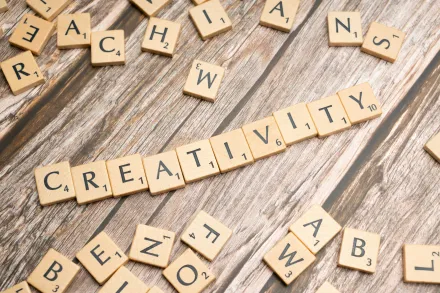
Creativity is a dynamic capacity that stretches beyond paintings and songs, reaching into problem solving, imagination, and the way we translate daily experiences into new meaning. When mental wellness is in balance, the mind can roam more freely, make unusual connections, and sustain attention long enough to bring ideas to life. The relationship is bi directional: creative engagement can soothe mood, and a stable mood can open doors to fresh ideas. This section explores how creativity functions as a resource for emotional health, rather than a mysterious gift reserved for a few. It invites the reader to see creativity as a practice that grows with intention, patience, and curiosity. The practical takeaway is that creativity is a learnable skill that benefits mental well being when approached with steady effort and compassionate self reflection.
Creativity thrives when the mind is allowed to wander without fear of judgment, and mental wellness grows when creative exploration is guided by compassionate self awareness. The act of generating ideas becomes a form of self care when it stays connected to values and purpose. The aim is not to produce a perfect product but to cultivate an ongoing relationship with novelty and resilience. By reframing creativity as a daily practice rather than a singular talent, people can invite sustainable growth that supports mental balance even on tough days. The result is a mindset that treats every moment as a potential spark rather than a test of worthiness.
At its core, creative thinking engages cognitive flexibility, pattern recognition, and the willingness to take informed risks. It challenges default modes and invites alternate narratives, which can reduce rumination and increase cognitive buoyancy. When combined with mindful regulation, creative effort can unlock a sense of agency, uplift mood, and provide a meaningful way to reflect on experiences. This symbiotic loop between creativity and well being becomes a practical lens for daily living, offering a framework for turning struggle into insight and turning insight into compassionate action toward oneself and others.
By recognizing the social and personal dimensions of creativity, this guide supports readers in building environments and habits that nurture both imagination and emotional health. It emphasizes that creativity is not synonymous with constant output; it is a stance toward life that invites curiosity, patience, and a forgiving inner voice. The following sections will translate these ideas into concrete steps that can be integrated into everyday routines without requiring special equipment or sweeping changes. The overarching message is that creativity flourishes when it is paired with steady practice, reflective pauses, and supportive connections that respect mental wellness.
The Mind-Body Connection
Our mental states do not exist in isolation from the body, and creativity flows most smoothly when energy, sleep, nutrition, and physical movement align with cognitive needs. When we experience fatigue or stress, neural networks responsible for flexible thinking can contract, narrowing the range of associations we draw upon. Conversely, restorative rest and balanced activity help the brain maintain a wide receptive field, making it easier to notice subtle connections between disparate ideas. The body serves as a living instrument through which imagination can play, and honoring its signals enhances cognitive flexibility and emotional regulation.
Habits that support the mind-body link include regular physical activity, exposure to natural light, and consistent routines that reduce erratic shifts in mood and attention. Even short periods of movement, such as a brisk walk, can refresh the mind and restore creative momentum. Sleep plays a critical role in memory consolidation and problem solving; depriving the brain of rest reduces its capacity for synthesis, while adequate sleep expands the ability to integrate new information into meaningful patterns. Consistency in daily rhythms provides a stable backdrop for creative risk taking and reflective processing alike.
Nutrition also matters because the brain relies on steady energy. Balanced meals with complex carbohydrates, healthy fats, and lean proteins help regulate glucose and neurotransmitter systems that influence focus and mood. Hydration, too, supports cognitive processing and resilience. This paragraph highlights the idea that small, consistent choices in lifestyle have a cumulative effect on creative potential and mental wellness, turning everyday meals into fuel for imagination and calm problem solving rather than mere calories.
Mindfulness practices and breathing exercises can tune the nervous system so creativity is not overshadowed by anxiety or deadline pressure. When the body feels safe and calm, the mind is more willing to explore unusual ideas and tolerate ambiguity. The mind-body connection is not a single recipe but a dynamic system that responds to daily choices, environments, and social context. The net result is greater emotional regulation and a broader capacity for creative exploration, especially during challenging times when steady thinking is most needed. The practical upshot is that small pauses for breath or movement can reset the timeline of thought and invite new perspective.
Environment and Rituals that Trigger Flow
Creativity is not isolated in solitude; it flourishes when physical spaces and daily rituals reduce friction and invite immersion. The design of a workspace can nudge attention toward tasks that require improvisation and synthesis. Soft lighting, comfortable temperatures, and minimal, non distracting textures help sustain focus. A clutter free zone signals the brain that the present moment is the place to act, while occasional sensory cues such as plants, color, or sound can spark gentle inspiration without overwhelming the senses. A well tuned environment acts like an invitation to begin and to sustain effort, creating a safe harbor for exploration.
Rituals act as signs that creativity is available and accessible even during busy days. Simple routines like setting a clear intention at the start of a session, choosing a focal task, or placing a small object that evokes curiosity can prime the mind for exploration. Repeating these rituals creates a predictable rhythm that reduces hesitation, making it easier to begin and persist through difficulty. Rituals also communicate self care to the nervous system, signaling that creative work is a valued and sustainable activity rather than a frantic sprint.
Environment extends beyond the physical room to include time structure. Dedicated blocks for thinking, writing, drawing, or prototyping help the brain switch into creative modes. A change of scene, even a short one, can reset cognitive frames and reveal new associations. The aim is not to escape responsibility but to create mental space where ideas can breathe and evolve. When time is carved out with intention, the brain can sample different angles and return with more refined options than if the day is left unconsciously lived.
To support sustainable imagination, it is useful to calibrate the surroundings for various activities. Deep, reflective work may benefit from quiet corners and warm textures, whereas collaborative sessions can be supported by whiteboards or shared surfaces that encourage quick sketching and feedback. The combination of space design and ritual choice forms a reliable scaffold for creative practice that supports mental wellness. A flexible system that can adapt to energy levels and tasks helps maintain momentum without creating pressure to perform beyond healthy limits.
Daily Practices to Spark Creative Thinking
Daily practice anchors creativity in consistent action rather than sporadic bursts. Small, intentional acts such as journaling thoughts, capturing random observations, or composing a short piece in a new style can steadily expand the brain's repertoire. The focus is on regular engagement that does not overwhelm, allowing ideas to accumulate and connect over time. The practice becomes a quiet shoreline where ideas wash in and out, gradually reshaping the landscape of possibility.
One practical approach is to allocate a dedicated window each day for exploratory thinking. During this time, rules are relaxed: nothing is judged, nothing is required to be finished, and the aim is to generate options. This creates a safe space for the mind to wander, test edges of possibility, and rehearse alternative perspectives without fear of failure. Consistency in this window cultivates a sense of control that breads confidence and reduces resistance to starting future sessions.
Another daily practice involves cross training the brain with varied stimuli. Reading from unfamiliar genres, listening to diverse music, or attempting a new craft can trigger novel associations. The key is to notice how new information reshapes perception, then reflect on the differences and what they reveal about personal patterns of thinking. This cross-pollination helps prevent cognitive stagnation and invites flexible thinking that supports mental wellness during stress.
Lastly, gratitude and reflection help sustain momentum by linking creative effort with meaning. At the end of a session, writing a single sentence about what felt surprising or satisfying can reinforce a positive relationship with creative work. Over weeks and months, these small acts accumulate into steady growth and enhanced well being, creating a dependable archive of experiences that can be revisited for inspiration during future challenges.
Techniques to Expand Divergent Thinking
Divergent thinking is the capacity to generate many possible explanations, not just one correct answer. It begins with curiosity and a willingness to suspend immediate judgments. Practicing this skill involves deliberately seeking multiple angles, analogies, and contrasts before settling on a preferred path. The shift from judging to generating options creates space for unusual ideas to emerge, and it helps protect mental health by reducing perfectionism and fear of failure.
Analogical thinking invites you to map patterns from one domain onto another, discovering structural similarities that might not be obvious. By comparing two disparate fields or experiences, you can uncover hidden correspondences that spark fresh solutions. This practice trains the brain to transfer insights across contexts, a powerful engine for creative problem solving and a restorative process for cognitive flexibility when stress narrows perception.
Brainstorming with gentle constraints can help harness energy without tests of perfection. Setting boundaries such as time limits, thematic prompts, or material constraints compels the mind to improvise within defined edges. Working within these frames often leads to unexpected outcomes that would not appear under open-ended conditions, and the constraints themselves can become a source of clever, resilient thinking under pressure.
Finally, reframing problems into questions rather than statements invites a more playful stance. Transforming "How do we reach X?" into "What would it take to approach X in a different way?" opens up avenues for experimentation and reduces resistance to exploring unlikely paths. This mental shift sustains creative momentum while supporting mental balance by reducing pressure to provide immediate, correct answers, especially when emotions or fatigue could otherwise narrow options.
Emotional Intelligence and Creative Insight
Emotional intelligence (EI) informs how you engage with ideas and with others when you create. Recognizing your own emotions and the emotional tone of a project helps you decide which avenues to pursue and which to set aside. EI also supports empathic listening, which in turn fuels more nuanced understanding of needs, values, and potential impacts of creative work. The result is work that feels more authentic and relevant, enhancing mental wellness through meaningful engagement that honors both creator and audience.
Regulating emotional energy during creative tasks prevents burnout and keeps attention available for exploration. Techniques such as labeling feelings, taking brief pauses, and re framing challenges as opportunities can maintain momentum without overloading the nervous system. When you approach creative work as a dialogue with your inner state, you gain resilience against frustration and criticism, allowing more sustained effort across days and weeks rather than crumbling under pressure.
Engagement with others through constructive feedback becomes more productive when emotional intelligence is in play. Clear communication about boundaries, expectations, and appreciation reduces misinterpretations and builds trust. This fosters collaboration in which ideas can be tested and refined without personal threat, supporting both creativity and mental health by creating a safe container for risk taking and growth.
Practice conversations that explore ideas with curiosity rather than judgment. Visualization and mental rehearsal can also help you anticipate how different emotional tones might influence reception. By cultivating emotional awareness alongside cognitive flexibility, the mind develops a richer toolkit for creative insight and sustainable wellness that remains accessible during times of uncertainty or transition.
Creative Expression Across Modalities
Creativity does not belong to one mode or style; it thrives when it is expressed through multiple channels. Some people explore ideas visually, others through writing, music, movement, or hands-on making. Engaging various modalities distributes cognitive load, reduces fatigue in any single system, and often reveals connections that stay hidden within a single practice. The act of crossing mediums can itself become a source of wellbeing as it invites playfulness and experimentation, turning work into joyful exploration rather than a performance chase.
Experiments with form help you notice why certain approaches feel alive while others feel stiff. You might translate a written scene into a quick sketch or convert a color palette into a poetic rhythm. The process teaches flexibility and helps you understand how different sensory channels carry meaning. This cross pollination strengthens creative resilience by building a broader vocabulary of expression and by training the brain to switch modes gracefully in response to changing needs and moods.
Every modality carries its own rhythm and social signals. Some expressions invite feedback and collaboration, while others offer quiet personal introspection. Embracing both public and private modes can balance the need for connection with the need for solitude that mental wellness often requires. This balance keeps creative energy healthy and sustainable over time, avoiding burnout while still inviting meaningful engagement with the world and with yourself.
Investing in a personal library of tools for each modality, such as sketchbooks, notebooks, musical instruments, or simple craft supplies, reduces barriers to starting a project. The mere presence of these tools signals that creativity is accessible, which lowers anxiety and invites spontaneous experimentation. A well stocked but organized set of resources can be a quiet, ongoing invitation to create, reducing the cognitive hurdle to begin and supporting a gentle creative cadence that sustains wellbeing.
Social and Community Factors
Creativity often grows in social contexts where ideas are heard, challenged, and refined. Belonging to communities that value curiosity can widen exposure to new perspectives and reduce the sense of isolation that sometimes accompanies creative work. Shared spaces for experimentation promote accountability and can turn solitary practice into a steady routine with social support that nudges progress forward in a constructive way.
Feedback loops matter, but they must be balanced with self compassion and boundaries. Constructive feedback highlights strengths while offering specific guidance for growth, while avoiding judgment that erodes confidence. A culture of respectful critique supports risk taking, which in turn fuels more adaptable and resilient thinking. When feedback is framed as a learning tool rather than a verdict, mental wellness is preserved and creativity gains momentum.
The online and offline worlds both offer opportunities to connect. Online communities can provide diverse inputs and rapid exchange, while in-person groups may offer richer nonverbal cues and deeper trust. The key is to curate interactions so they energize rather than exhaust you, and to align group activities with personal creative goals that support mental wellness. Thoughtful social engagement expands horizons while sustaining emotional equilibrium.
As social ecosystems evolve, it is valuable to cultivate mentors, peers, and collaborators who model healthy boundaries and positive reinforcement. A diverse circle expands the range of questions you encounter, which broadens the scope of your creativity and strengthens your mental stamina for ongoing work. When supported by a community that honors growth, you are more likely to persist through obstacles and to celebrate incremental progress with humility and joy.
Nourishment, Sleep, Movement, and Brain Health
Nutrition, rest, and physical activity underpin cognitive vitality and emotional balance. A stable routine that includes regular meals, hydration, and nutrient dense foods supports memory, attention, and mood regulation. When the brain receives steady fuel, the processes behind creative thought can operate more smoothly and with less friction under pressure, turning intense sessions into sustainable problem solving rather than exhausting ordeals.
Sleep is not a luxury for creators; it is a critical infrastructure for problem solving and synthesis. During sleep, the brain consolidates memories and integrates disparate ideas, enabling more robust insight upon waking. Prioritizing consistent sleep patterns helps avoid the irritability and cognitive rigidity that sleep deprivation often brings, which in turn sustains creative flexibility and emotional steadiness across days and weeks.
Movement complements mental work by circulating blood and releasing endorphins that sharpen focus and calm the nervous system. Short, frequent breaks for stretching, walking, or breathing exercises can prevent stiffness and sustain a creative cadence across the day. The combination of physical ease and mental openness creates a fertile ground for imaginative leaps and reduces the risk of cognitive fatigue that can derail flow states.
The relationship between nourishment, rest, and activity is reciprocal. Creative projects can inspire better self care when they are framed as long term commitments rather than temporary bursts. By respecting the body's signals and honoring rest as a productive phase, you cultivate enduring mental wellness that supports ongoing creative exploration and returns of energy after setbacks, reinforcing resilience in daily life.
Long-Term Strategies for Creative Resilience
Building lasting creativity in service of mental wellness requires habits that endure through novelty and stress. A sustainable approach blends exploration with reflection, so ideas are tested, refined, and re integrated into a growing personal practice. The aim is to develop a resilient mindset that welcomes challenge as a signal to adapt rather than a threat to self worth, and to treat each phase of growth as a step toward greater ease and clarity.
One way to cultivate resilience is to maintain a living map of interests, skills, and projects. A personal archive that traces what was tried, what succeeded, and what fell short can become a treasure trove for future work. Revisiting past experiments helps you see patterns, rekindle motivation, and avoid repeating ineffective approaches. This historical awareness reduces anxiety about the future and invites wiser experimentation in the present.
Time is a critical dimension: allocate regular windows for creative thinking, even during busy seasons. Consistency beats intensity, and a steady tempo reduces the psychological cost of starting again after a pause. By protecting these creative periods with clear boundaries, you support both output and well being, ensuring that your creative life remains a resource rather than a source of stress when demands rise.
Finally, cultivate curiosity about your own development. Periodic checks with yourself or a trusted partner can review what improves your mental wellness and what hinders it. The goal is to keep a compassionate stance toward growth, recognizing that creativity flourishes when the mind feels safe, capable, and connected to meaning. By maintaining an adaptive practice that honors boundaries and celebrates small wins, you create a durable foundation for ongoing creativity and mental health that can weather life’s changes.