Living with irritable bowel syndrome IBS is a journey through symptoms, uncertainty, and the daily task of finding a balance between comfort and activity. IBS is a common functional bowel disorder characterized by chronic or recurrent abdominal pain or discomfort associated with altered bowel habits, such as urgency, bloating, constipation, or diarrhea. Although the exact cause remains complex and multifactorial, rising evidence points to a dynamic interplay between gut motility, intestinal sensitivity, microbiome composition, and the brain's i...
Health & Wellness


Seasonal Affective Disorder, commonly abbreviated as SAD, is a form of mood disturbance that follows a seasonal pattern. It is more than the ordinary fluctuation of feelings that people experience with changing weather or the rhythms of daily life. SAD tends to recur at particular times of the year, most often beginning in the autumn or winter and subsiding in the spring or early summer. This pattern can involve low mood, reduced energy, changes in sleep and appetite, and a withdrawal from usual activities that once brought meaning or pleasure....
Resilience is the evolving capacity of a person to face pressure, recover from setbacks, and continue moving toward meaningful goals. It is not a fixed trait that some people possess and others do not, but a dynamic set of skills that can be cultivated through intention, practice, and mindful awareness. A resilient mindset blends courage with curiosity, allowing a person to acknowledge pain or difficulty without being overwhelmed by it. When adversity arrives, this mindset helps create space for deliberate choice rather than automatic reaction,...
In a world that often moves with relentless speed the nervous system can bear the weight of constant input, deadlines, and social pressures. Aromatherapy offers a receptive, sensory pathway to support emotional balance and physical calm. It is not a magic wand but a companion that can harmonize with established stress management habits, such as mindful breathing, regular movement, and sustainable sleep. The scents we choose carry signals that travel through the nose to the brain, influencing emotional centers and autonomic responses. When used ...

When a person begins exercising at home, the first step is to build a mental map of how movement changes the body over time. Understanding the core principles helps transform enthusiasm into consistent progress rather than brief bursts of energy that fade away. At the heart of a successful home program lies gradual, measurable adaptation, often described in practical terms as progressive overload. This means that over weeks and months the body is gently challenged with tasks that are a notch tougher than what was previously comfortable, allowin...

Vitamins are a diverse group of organic compounds that the body cannot produce in sufficient quantities on its own, yet they are essential for sustaining health and defending against illness. They function as cofactors in countless biochemical reactions, help regulate metabolism, maintain the integrity of tissues, and modulate the immune system in nuanced and interconnected ways. When the body runs low on these micronutrients, subtle changes in immune competence can unfold, making a person more susceptible to infections and impairing the body's...

In the digital age, screens are a constant presence in homes, workplaces, and pockets. The glow from devices can capture attention, deliver information, entertain, and connect people across distance, but it can also erode focus, disturb sleep, and erode a sense of leisure that feels fully lived away from a glowing panel. This article explores practical strategies to reduce screen time without sacrificing productivity, relationships, or curiosity. By approaching the challenge with curiosity and patience, you can shape a healthier rhythm that ali...
Creativity is a dynamic capacity that stretches beyond paintings and songs, reaching into problem solving, imagination, and the way we translate daily experiences into new meaning. When mental wellness is in balance, the mind can roam more freely, make unusual connections, and sustain attention long enough to bring ideas to life. The relationship is bi directional: creative engagement can soothe mood, and a stable mood can open doors to fresh ideas. This section explores how creativity functions as a resource for emotional health, rather than a...

Walking has a quiet power that often goes overlooked in a culture that prizes marathon training and dramatic fitness headlines. The practice of moving your body at a comfortable pace, every day, creates a dependable thread that weaves together bodily health, emotional balance, and a clearer sense of time. When motivation comes, it tends to arrive not as a single thunderclap but as a fluttering persistence that shows up again and again in small, unobtrusive moments. The real gift of daily walks is not the sprint of extraordinary effort but the s...
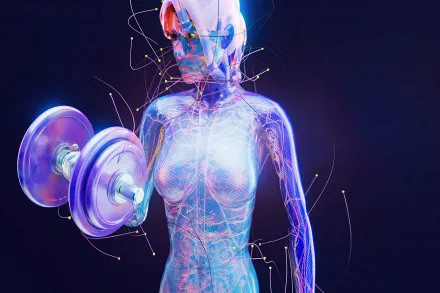
In the last several decades a growing body of science has begun to unravel how intention perception emotion and social context can influence physiology and healing. This field often described as mind body medicine or psychophysiology sits at the intersection of neuroscience immunology endocrinology and behavioral science. The central idea is not that thoughts alone cure disease but that the brain and body are in a continuous bidirectional conversation in which cognitive and affective states modulate autonomic functions hormonal release immune s...