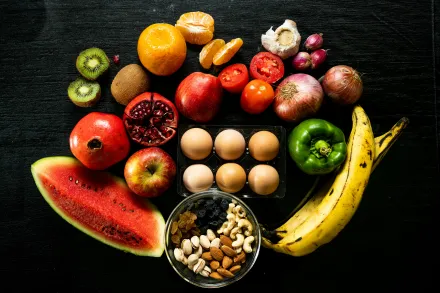
Healthy skin is more than surface appearance; it mirrors the balance of nutrients your body receives, your hydration patterns, sleep quality, stress management, and environmental exposures. The foods you choose provide the building blocks and protective compounds that influence skin texture, tone, elasticity, and resilience. This article dives into how everyday foods—from vegetables and fruits to lean proteins, healthy fats, and fermented products—can support a clear, radiant complexion. It emphasizes a holistic approach where consistency matters, and where no single item acts alone. By focusing on whole foods, fiber, antioxidants, and proper hydration, you can nourish not only the surface but the deeper vitality that shows up as healthier skin across the seasons and years.
Foundational principles for skin nutrition
The skin responds to nourishment through a series of interconnected processes. Adequate protein intake supports collagen synthesis and skin turnover, while fats help maintain the lipid barrier that protects against dehydration and irritants. Micronutrients such as vitamins and minerals serve as cofactors in enzymatic reactions that repair damage from ultraviolet exposure and environmental stress. At the same time, dietary fiber fosters a healthy microbiome, which in turn influences systemic inflammation and skin responses. A balanced approach also means moderating processed foods, added sugars, and alcohol, which can disrupt hormonal balance and promote breakouts or dullness if consumed in excess. By prioritizing nutrient-dense, minimally processed options and listening to your body's signals, you create a foundation that skin can reflect with clarity and vitality.
Hydration and water-rich foods
Hydration plays a central role in maintaining skin turgor, smoothness, and resilience. While plain water is important, the habit of consuming water-rich foods such as cucumber, watermelon, oranges, strawberries, and leafy greens adds variety and nutrients while contributing to daily fluid intake. Certain beverages, like unsweetened herbal teas, can offer polyphenols and tannins that support anti-inflammatory effects without extra calories or additives. Adequate hydration helps keep mucous membranes moist, supports circulation, and facilitates the transport of nutrients to skin cells. It also helps the lymphatic system clear metabolic waste, which can influence the appearance of dullness and puffiness. The goal is steady, gentle hydration throughout the day rather than a single surge of liquid at once.
Healthy fats and the skin barrier
The skin’s outermost layer relies on fats to maintain its barrier function, locking in moisture and shielding against irritants. Consuming sources of omega-3 and omega-6 fatty acids helps modulate inflammation, which is often linked to conditions such as acne, eczema, and dermatitis. Fish like salmon, sardines, and mackerel provide long-chain omega-3s that support cell membranes and reduce inflammatory signals. Plant-based fats from flaxseeds, chia seeds, walnuts, and olive oil contribute to the same protective effects, while also delivering fat-soluble vitamins that skin uses for repair. A balance of fats across meals is more beneficial than concentrating fats in a single dish, as the skin experiences a steadier supply of lipids to maintain hydration and suppleness.
Antioxidants and protection against environmental stress
Antioxidants defend skin cells from oxidative stress caused by sun exposure, pollution, and lifestyle factors. Colorful fruits and vegetables are rich in vitamins C and E, carotenoids, and phytonutrients that work together to neutralize free radicals and support collagen integrity. Berries such as blueberries, strawberries, and raspberries deliver anthocyanins that help dampen inflammatory responses. Dark leafy greens provide lutein and zeaxanthin that can support the health of deeper skin layers, while bright peppers and citrus offer vitamin C essential for collagen synthesis. Incorporating a spectrum of colors in daily meals ensures a broad array of protective compounds, and pairing vitamin C sources with iron-containing foods enhances iron absorption, supporting oxygen delivery to skin tissues.
Proteins and collagen synthesis
Skin is built largely from proteins, and connective tissue depends on amino acids to maintain structure and repair. Adequate protein intake supports collagen, elastin, and keratin synthesis, which contribute to firmness and resilience. Lean poultry, eggs, legumes, dairy, and seafood provide essential amino acids in varying proportions, helping to sustain tissue turnover. Vitamin C acts as a cofactor in collagen production, so pairing protein-rich foods with vitamin C-rich produce can support skin architecture. For those who prefer plant-based options, a combination of legumes, whole grains, nuts, and seeds can supply all essential amino acids when consumed across meals. Thoughtful meal planning ensures that daily protein needs meet skin’s reparative demands without overloading the system with calories or saturated fats.
Vitamins and minerals essential for skin health
Beyond protein and fats, several vitamins and minerals play specialized roles in maintaining skin function. Vitamin A supports cell differentiation and helps regulate oil production; retinol and carotenoids from foods like carrots, sweet potatoes, and leafy greens contribute to skin renewal and brightness. B vitamins, including biotin and niacin, support energy metabolism in skin cells and barrier maintenance. Vitamin E protects membranes from oxidative damage, often found in nuts, seeds, and vegetable oils. Zinc and selenium are trace minerals involved in wound healing and immune function, found in seafood, red meat, legumes, and whole grains. Magnesium, iron, and copper also participate in enzymatic activities that sustain connective tissue and pigment production. A varied diet helps ensure you receive a spectrum of these nutrients in amounts that suit your physiology.
Probiotics and the gut-skin connection
The gut microbiome influences systemic inflammation, immune response, and skin condition. Probiotic-rich foods such as yogurt, kefir, sauerkraut, kimchi, miso, and certain cheeses can help cultivate a balanced microbial ecosystem. A diverse microbiota supports digestion, nutrient absorption, and the production of short-chain fatty acids that may modulate inflammatory pathways linked to acne, rosacea, and dermatitis. For individuals who prefer non-dairy options, fermented foods made from soy, coconut, or vegetables also contribute beneficial microbes. Alongside probiotics, a high-fiber diet supports microbial diversity and gut health, which indirectly benefits skin by reducing inflammatory mediators that can exacerbate skinConcerns. Keeping a mindful approach to dairy intake in sensitive individuals can help tailor dietary choices without compromising overall nourishment.
Glycemic control and skin appearance
There is growing evidence that foods with a high glycemic load can influence hormonal and inflammatory pathways associated with acne and dull skin. Choosing complex carbohydrates such as whole grains, legumes, vegetables, and fruits rather than refined grains and sweet treats can help stabilize blood sugar, reducing insulin spikes that may stimulate oil production and hyperkeratinization in follicles. Pairing carbohydrates with sources of protein or healthy fats can further blunt rapid glucose rises, supporting steadier energy and a more even skin tone. By prioritizing low to moderate glycemic index foods, you may notice fewer breakouts, less redness, and improved texture over time, especially when this pattern is part of a broader, consistent lifestyle approach.
Phytonutrients and color as signals of skin support
Phytonutrients are plant compounds that support skin health through anti-inflammatory, antioxidant, and signaling roles. Carotenoids such as beta-carotene, lycopene, and astaxanthin contribute to skin resilience and a healthy glow when consumed in fruits and vegetables of various colors. Flavonoids found in tea, cocoa, berries, and apples may help reduce oxidative stress and support capillary circulation, which can influence skin brightness and evenness. Sulfur-containing compounds from vegetables like garlic and onions support detoxification pathways that can impact blemishes and sensitivity. A diverse plate that embraces the natural spectrum of plant-based nutrients offers synergistic benefits, highlighting the idea that skin health thrives on color, variety, and balance rather than on a single “superfood.”
Micro-nutrient timing and meal patterns for skin vitality
When it comes to skin, timing can influence how effectively the body uses nutrients. Consuming a source of protein and healthy fats with each meal helps sustain skin repair processes across the day. Vitamin C-rich foods paired with iron-containing plant sources improve iron absorption, which supports oxygen transport to tissues, including the skin. Evening meals featuring bright vegetables and lean protein can provide a restful pattern for cellular renewal during overnight repair cycles. Snacking on nuts, seeds, or yogurt can stabilize energy between meals while delivering minerals and beneficial fats that support barrier function. Thoughtful meal timing, combined with a varied nutrient profile, encourages ongoing skin nourishment rather than sporadic bursts of nutrients that may be less effective if the body cannot efficiently assimilate them.
Practical meal planning for different skin needs
People often experience unique skin concerns such as dryness, oiliness, sensitivity, or hyperpigmentation. A practical approach is to tailor meals toward these needs while maintaining overall balance. For dry skin, emphasize healthy fats and omega-3 sources, along with hydrating vegetables and vitamin E-rich foods. For oily or acne-prone skin, focus on a high-fiber, low-glycemic pattern with antioxidant-rich produce and lean proteins to support inflammation control. For sensitive skin, choose gentle, minimally processed foods rich in omega-3s and zinc to support barrier integrity and immune regulation. For hyperpigmentation, prioritize vitamin C-rich fruits, along with niacinamide-containing nutrients that contribute to pigment regulation. The key is consistency and listening to how your skin responds to different foods, adjusting choices in small steps rather than making drastic changes overnight.
Putting it all together: daily rituals and sustainable patterns
A sustainable skin-nutrition approach blends variety, balance, and flavor. Start with a base of vegetables at most meals, a source of lean protein, and a healthy fat, then rotate fruits, whole grains, and dairy or fortified plant-based alternatives. Include fermented foods regularly to support gut health, and ensure hydration through both beverages and water-rich produce. Flavor should come from a palette of herbs, citrus, garlic, and aromatic spices rather than excess salt or sugary sauces. By embracing meal planning that emphasizes whole foods, you create predictable nourishment that supports skin function over weeks and months, reinforcing a natural radiance that grows from the inside out.
Special considerations for different life stages and conditions
Skin needs shift across life stages, pregnancy, and hormonal changes, and certain conditions may require tailored dietary attention. During pregnancy, nutrient-dense foods that supply folate, iron, calcium, and essential fatty acids become particularly important for both mother and developing skin tissues. In older adults, maintaining protein intake alongside vitamin D, zinc, and omega-3 fats supports skin integrity, wound healing, and barrier function as collagen production naturally declines. People dealing with inflammatory skin conditions might benefit from foods that reduce systemic inflammation, such as those rich in omega-3s, polyphenols, and probiotic strains. Working with a healthcare provider or a registered dietitian can help personalize these choices, ensuring that dietary strategies align with medical guidance and personal tolerances.
Adapting to lifestyle and cultural preferences
Healthy skin nutrition is not a one-size-fits-all prescription; it harmonizes with varied cuisines, budgets, and access to foods. Plant-forward patterns that emphasize greens, legumes, whole grains, nuts, and seeds can be adapted to many culinary traditions, offering abundant nutrients without compromising taste. For those who prefer animal-based proteins, selecting wild-caught fish, pasture-raised poultry, and minimally processed dairy can support skin health while aligning with personal ethics and environmental considerations. The overarching aim is to cultivate a long-term eating pattern that feels enjoyable and sustainable, so it naturally translates into healthier skin that reflects steady nourishment rather than sporadic dietary crashes or fad-driven changes.
Closing reflections: embracing skin health through mindful eating
In the end, foods that promote healthy skin are not a mysterious fix but a set of nourishing choices that align with the body’s needs. The pathways from plate to complexion are slow and cumulative, requiring patience and consistency. By prioritizing protein for repair, fats for barrier support, antioxidants for protection, and gut-friendly options for systemic balance, you create a foundation that supports skin health across seasons. Remember that hydration, sleep, stress management, and sun protection also play critical roles in how nutrition translates to beauty. A holistic mindset that values whole foods, mindful preparation, and enjoyment can make skin health an integral, joyful part of everyday living rather than a temporary goal tied to a trend.