Healthy hair begins with a thoughtful relationship to nourishment that enters the body through meals, beverages, and mindful choices about what supports the scalp and follicle health. When we consider hair as a living structure that reflects internal balance, we recognize that nutrients does not simply travel to the ends of the strands but rather feed the roots, the follicular microenvironment, and the moisture balance that preserves strength and flexibility. A holistic approach treats hair as a manifestation of overall wellness, where consiste...

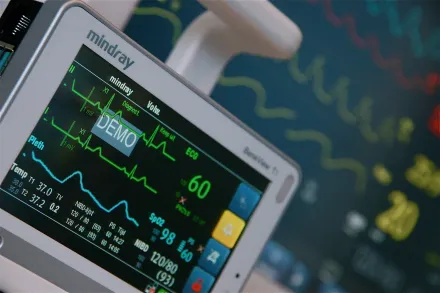
The Internet of Things in healthcare refers to a network of increasingly intelligent devices and sensors that collect, transmit, and analyze data to support medical decision making, patient monitoring, and system-wide efficiency. These devices range from wearable sensors that track heart rate and glucose levels to smart infusion pumps, connected imaging modalities, and ambient sensors embedded in hospital rooms. The common thread across this diverse ecosystem is the ability to generate timely information that was previously inaccessible in real...

As skin ages, fine lines and wrinkles become more visible due to a combination of structural changes, environmental exposure, and lifestyle choices. The quest to reduce these signs is not about a single magic product but about a deliberate, multi layer approach that supports the skin's natural repair processes while minimizing new damage. Effective strategies blend daily habits, smart use of active ingredients, and occasionally professional treatments when appropriate. Readers who adopt a consistent routine that respects their skin's unique nee...

Loneliness is a human experience that can touch anyone, regardless of age, background, or daily routine. It does not always originate from being alone; it can arise in crowded rooms or during long days when meaningful connection feels out of reach. In many communities, loneliness is rising alongside busy schedules, digital distractions, and changing social structures. Understanding loneliness as a signal rather than a verdict can be the first step toward reclaiming a sense of belonging. When loneliness is acknowledged with care, it creates an o...

Ulcerative colitis is a chronic inflammatory condition that primarily affects the lining of the large intestine, known as the colon, and in some cases the rectum. It is one of the group of diseases collectively referred to as inflammatory bowel diseases, or IBD, and it tends to start in early adulthood though it can appear at any age. The hallmark of ulcerative colitis is inflammation that begins in the rectum and often extends in a continuous fashion through part or all of the colon, leading to a range of symptoms that can wax and wane over ti...

Reflexology is a therapeutic approach that seeks to influence the body by applying deliberate pressure to specific points on the feet, hands, and ears. This practice rests on the idea that these points are connected to different organs, glands, and systems through energy pathways that enrich the overall sense of balance within the body. When the practitioner works with precise pressure and rhythm, the intention is not to treat a disease directly but to encourage a state in which the body can harmonize its functions more naturally. In the realm ...
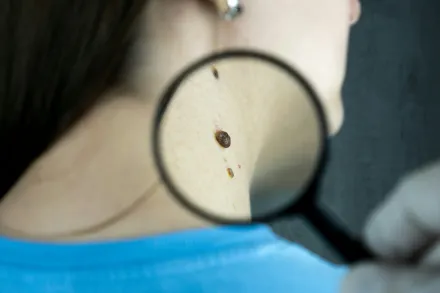
Skin cancer represents a group of diseases driven by the growth of abnormal cells in the skin, and its impact on health can be profound when it is not detected early. Across populations, sun exposure, genetic predisposition, and certain environmental factors shape the risk landscape, yet the most reliable defense remains everyday vigilance and timely medical assessment. Understanding how the skin communicates warning signs through subtle changes helps people take action before a small problem grows into a difficult medical challenge. This artic...

Nutritional therapy stands at the intersection of food science, clinical care, and patient empowerment, offering a pathway by which dietary choices can influence health outcomes across a spectrum of diseases and rehabilitation scenarios. This approach is not merely about counting calories or prescribing supplements, but about integrating evidence based dietary patterns, nutrient timing, and individualized plans into a broader treatment strategy. In contemporary healthcare, nutrition is increasingly recognized as a therapeutic tool that can modu...
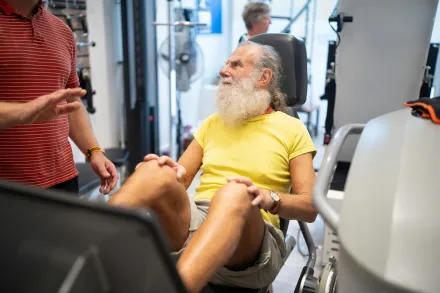
Physical therapy after joint replacement is a critical pillar of successful recovery that extends far beyond the clinical procedure itself. It is a structured, progressive and evidence guided process designed to restore movement, reduce pain, rebuild strength, and help patients resume meaningful activities with independence and confidence. At its core, physical therapy aims to reestablish the normal mechanics of the affected joint while protecting the healing tissues, preventing complications, and enabling the patient to participate in daily ta...

Dry skin is more than a temporary feeling of tightness after stepping out of a shower. It is a complex condition rooted in the skin’s ability to retain moisture, balanced by a delicate layer of lipids that form a protective barrier. When that barrier is compromised, water escapes more readily, and the skin can become rough, flaky, and prone to irritation. People with dry skin may notice a stubborn sense of tightness that lingers throughout the day, a tendency toward dullness, and sometimes a fine network of lines that becomes more visible when ...