Imposter syndrome is a psychological pattern in which individuals doubt their accomplishments and have a persistent fear of being exposed as a fraud despite clear evidence of competence. This experience is not limited to a particular field or level of achievement, and it often takes root in moments of transition, high expectations, or exposure to unfamiliar environments. People may attribute success to luck or timing rather than to their own skill, and they may interpret normal errors as proof of incompetence rather than as part of the learning...
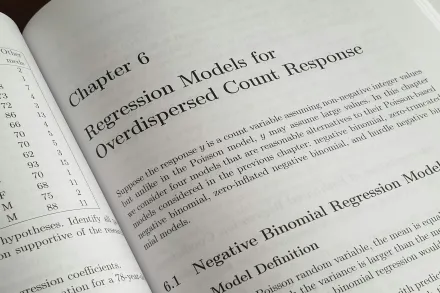

Understanding emotional dysregulation is a journey into how human beings experience, interpret, and respond to the inner world of feelings. It is not a simple matter of liking or disliking emotions, but rather a complex interplay of cognitive appraisals, physiological arousal, and social learning that shapes what people do when their feelings surge. When dysregulation is present, emotional responses may become disproportionately intense or last longer than the situation warrants, leading to challenges in daily functioning, decision making, and ...
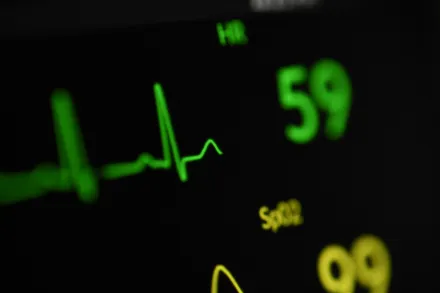
The field of heart failure management has undergone a quiet but profound transformation as remote monitoring moved from experimental programs to mainstream clinical practice. For decades, clinicians relied on clinic visits and patient self-report to guide therapy, but the dynamic course of heart failure often outpaced episodic assessments. Digital platforms emerged to capture physiological signals continuously or near-continuously, translating ambulatory data into actionable insights. Early remote monitoring focused on a handful of metrics such...

Face oils have earned a place in many skincare routines not merely as luxury products but as functional allies that support the skin’s natural barrier and help seal in moisture. At their core, oils are emollients; they soften the skin by forming a thin, protective film on the surface that reduces transepidermal water loss and minimizes friction that can lead to irritation. Some oils act more like occlusives, creating a barrier that keeps hydration from escaping, while others mimic the skin’s own sebum to a greater or lesser extent, helping to b...
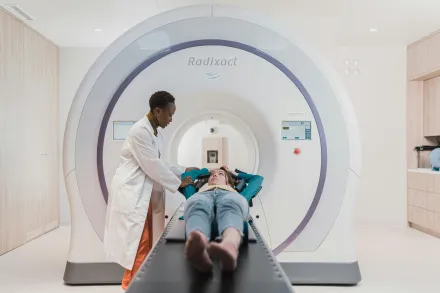
Radiation oncology is a specialized medical field that sits at the intersection of physics, biology, and clinical care, dedicated to the diagnosis, treatment, and ongoing management of cancer using ionizing radiation. The discipline grew from a convergence of scientists who sought to understand how high energy particles interact with cellular structures, and clinicians who recognized the potential to destroy malignant cells while preserving as much healthy tissue as possible. Over the decades, advances in imaging, treatment planning, and biolog...
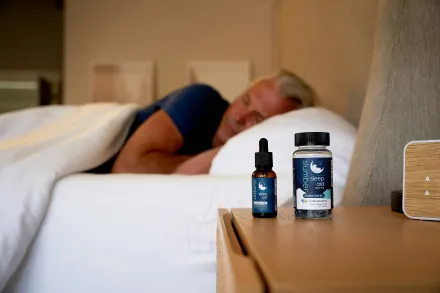
Sleep and the immune system engage in a continuous dialogue that shapes how the body guards itself against pathogens. When the eyes close and the brain rests, signals flow between the central nervous system and immune cells, coordinating surveillance and response. In this quiet space, immune cells are primed to recognize invaders, while the nervous system tunes inflammatory processes to avoid unnecessary damage. This interdependence means that the duration and quality of sleep can tilt the balance toward robust defense or vulnerability to illne...

Motivation for daily exercise is not a fixed spark that suddenly erupts and then extinguishes; it is a dynamic field that shifts with mood, energy, and environment. When you recognize that motivation fluctuates, you can design strategies that work with the natural ebbs and flows of your day rather than against them. The core idea is to create a reliable structure that invites movement even when enthusiasm feels distant, rather than waiting for a surge of inspiration to appear out of nowhere. This perspective helps you treat exercise as a habit ...

In the quiet moments of attention that mindfulness invites, a doorway opens between the mind and the body that can influence how the immune system responds to the daily strains of living. Mindfulness is not a magical intervention but a practiced way of relating to experience that emphasizes present moment awareness, nonjudgment, and compassionate curiosity. When someone sits with breath, sensations, thoughts, and emotions without trying to change them, a change begins to unfold in the nervous system, the hormonal milieu, and the signaling netwo...

Bone health is a dynamic balance between bone formation and bone resorption, a process influenced by genetics, age, physical activity, and notably the foods we choose to feed our bodies. The skeleton is not simply a passive framework; it is a living tissue that responds to nutrients with remodeling cycles that can strengthen or weaken its structure over time. In this broader view, nutrition emerges as a central player in maintaining bone integrity, reducing the risk of fractures, and sustaining mobility across the life course. The foods highlig...

The brain is a marvel of biological engineering, and fats play a central role in its structure and function. Neuronal membranes are composed largely of lipids, and the fluidity of these membranes influences how receptors and channels work, shaping communication between neurons. Myelin, the insulating layer around nerve fibers, is rich in lipids, and the integrity of this sheath supports rapid signaling essential for learning and memory. Without healthy fats, signaling can become less efficient, and cognitive performance may feel dulled, especia...